AFRICA-CHINA routes are what saved the major Gulf carriers during the global recession, according to Gordon Bevan, vp consulting Asia Pacific, Airport Strategy and Marketing (ASM).
Speaking at a workshop at the Routes Africa Forum at the Royal Swazi Spa Hotel on May 30, he pointed out the importance of this for African airports and said they should capitalise on this quickly and start attracting these airlines to their airports to align themselves to benefit from future developments.
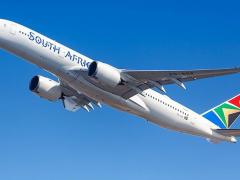
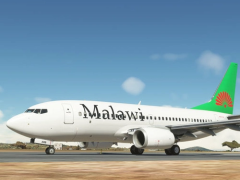
The Gulf hub carriers currently dominate the Africa-China routes, with Emirates claiming 20% of all passengers. On the Lagos-Guangzhou route, 80% is controlled by Emirates and Qatar Airways, while Emirates, Qatar and Etihad together control 80% of the Sudan-China routes. Ethiopian Airlines and Turkish are also finding that these are important routes. Like all key players on the routes, they too have long-haul aircraft on order.
The reasons for Africa-China becoming one of the few expanding markets in a world where others are contracting or static, are:
*Middle East carriers have nimbly replaced lost Europe-Asia traffic with Africa-China traffic during the recession;
*Expat labour, corporate travellers and African traders on buying trips all provide a steady source of traffic for these airlines, to the extent that some Gulf carriers are going into secondary cities;
*Chinese carriers are weak in the market. While they too have many long-haul aircraft on order, their priorities are the more obvious global European, Asian and US centres, and they are more focused on point-to-point traffic.