
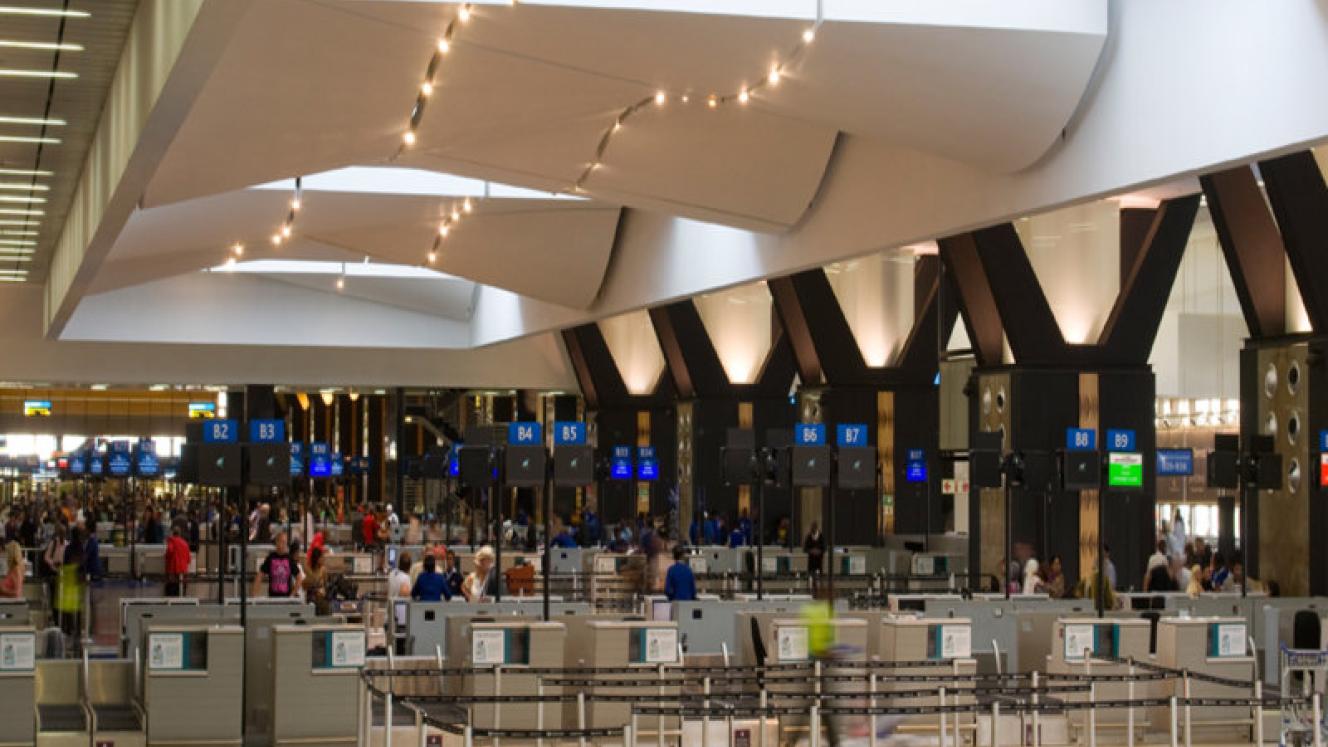
The Auditor General of South Africa’s (AGSA) audit of Airports Company South Africa (Acsa) has flagged irregular as well as fruitless and wasteful expenditure in its financial results for 2024/25, alongside concerns over airport maintenance.
In its Budgetary Review and Recommendations Report, the Parliamentary Portfolio Committee on Transport noted that regulatory non-compliance and financial losses remained high during a year in which poor airport maintenance contributed to a difficult operating environment for airlines.
Irregular expenditure
AGSA identified R99,8 million in irregular expenditure during the financial year, bringing Acsa’s cumulative total to R333 million.
“Acsa remains one of the largest contributors to irregular expenditure (in the Department of Transport’s portfolio),” said AGSA. “There was an increase in irregular expenditure due to expenditure for irregular contracts and quotations identified in the prior year being incurred in the current year and an increased number of non-compliances and quotations identified on high-value contracts in the current year contracts.”
The findings were attributed to breaches of procurement processes, including contracts and quotations being awarded to bidders that did not score the highest points, as well as construction contracts awarded to unqualified contractors.
Fruitless and wasteful expenditure
AGSA also identified R1,1 million in fruitless and wasteful expenditure during 2024/25, contributing to a cumulative amount of R12,6 million.
“The reported fruitless and wasteful expenditure primarily stems from payments for goods ordered that were not delivered and interest on a disputed invoice. These matters have been referred to the Finance department to initiate formal recovery processes,” Acsa Group Spokesperson, Ofentse Dijoe, told Travel News.
Maintenance non-compliance
The Committee noted that Acsa’s irregular expenditure and fruitless and wasteful expenditure placed additional strain on aviation infrastructure in an already challenging operating environment.
“Challenges such as unserviceable navigation systems and ageing assets reduced operational efficiency and contributed to delays. In response, airlines rationalised their operations by scaling back frequencies on lower-yield routes and consolidating capacity,” said the Committee.
The Committee requested that Acsa report back to it on the roll-out of large infrastructure projects aimed at improving airport infrastructure, such as a new parking management system, upgrades to the operating systems, airport upgrades and expansion projects, the review of its security processes, its provision of ground-handling and baggage-handling services, the resolution of jet fuel supply issues and alternative power source installations.
Additionally, it urged the entity to improve its relationship with departments responsible for the processing of international passengers on arrival.
“The infrastructure and maintenance projects flagged by the Parliamentary Portfolio Committee for non-compliance were implemented to ensure operational continuity at the airports. Simultaneously, Acsa initiated a process to identify the root causes of this irregular expenditure and pursue consequence management for responsible officials,” said Dijoe.
Addressing findings
The Committee noted that the entity had shown some progress on expenditure management as it had implemented detective controls to both identify and disclose unauthorised, irregular and fruitless and wasteful expenditure in its financial statements. However, it urged Acsa to report back on its progress made on action plans to address the audit outcomes.
According to Dijoe, its strategy will build upon current interventions: “Acsa has already implemented various initiatives to reduce irregular expenditure and improve future audit outcomes, including but not limited to the separation of the Supply Chain Management (SCM) sub-division from the Finance Division and the creation of a new stand-alone Procurement and SCM Division, headed by a new Chief Procurement Officer, comprising four sub-divisions.”