
South African and Dutch public health authorities, Airlink and KLM are assisting the World Health Organization (WHO) and other authorities with contact-tracing passengers who may have been exposed to hantavirus patients.
South Africa identifies hantavirus
South Africa was drawn into a hantavirus-related health scare following confirmation of a rare case linked to an international cruise with fatalities reported.
Two passengers from the MV Hondius died after falling ill during the voyage. A 70-year-old male passenger became ill on board and later died on arrival at St Helena while his spouse, a 69-year-old female, collapsed at OR Tambo International Airport in Johannesburg while attempting to board a flight to return to the Netherlands and later died.
South African authorities later confirmed that the woman and a third patient from the cruise ship, who was medically evacuated to a private health facility in Sandton, had tested positive for the Andes strain of the hantavirus.
Airlink contact tracing
The Department of Health said it was working with the National Institute for Communicable Diseases (NICD), Gauteng health authorities and Airlink on contact tracing to identify and monitor individuals who may have been exposed.
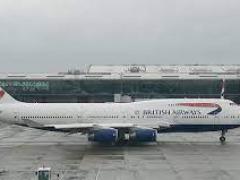
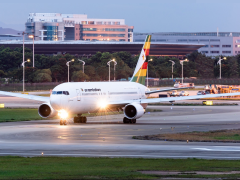
Airlink operated the flight from St Helena to Johannesburg on April 25, carrying 82 passengers, six crew and one of the ship’s passengers who intended to return to the Netherlands.
The airline was subsequently informed by South Africa’s public health authorities that a passenger on the flight had died due to hantavirus after arriving in Johannesburg.
At the time of the flight, no passengers were known to be unwell. Airlink has since provided the Department of Health with the full passenger manifest, including contact details and seating allocations, to support contact tracing efforts.
The airline is also contacting passengers who were on the flight and advising them to get in touch with the Department of Health if they have not yet been contacted.
In a meeting with the Portfolio Committee on Health on May 6, the department reported that contact tracing processes had identified 62 individuals as possible contacts, 42 of whom had already been traced and were being monitored.
Additionally, the airline confirmed that its aircraft had been cleaned in strict accordance with all pertinent public health and aviation regulations and requirements and followed the guidance provided by the Department of Health and the NICD.
KLM contact tracing
The cruise passenger who intended to return to the Netherlands for her treatment, attempted to board a KLM aircraft in Johannesburg on April 5.
As a result, the Dutch National Institute for Public Health and the Environment (RIVM), Public Health Services (GGD) for Netherlands Kennemerland region and KLM are collaborating to trace all passengers who may have been exposed to the virus on the flight.
“Due to the passenger’s medical condition at the time of the flight, the crew decided not to allow the passenger to travel on the flight,” KLM said in a statement. “As a precaution, all passengers who were on board this flight are being informed by GGD Kennemerland. KLM is working closely with the RIVM and the GGD and is following their guidance carefully.”
What you need to know
What is hantavirus?
Hantaviruses are rare zoonotic viruses carried by rodents, with human infection typically occurring through contact with contaminated urine, droppings or saliva or exposure in environments where rodents are present.
South African laboratory findings confirmed that the cruise passengers had contracted the Andes strain of hantavirus.
What are the symptoms?
According to WHO and Africa CDC, the disease can initially present with fever, headache, muscle aches and gastrointestinal symptoms but may progress rapidly to severe respiratory illness, including pneumonia and acute respiratory distress.
While infections are uncommon, severe cases can be fatal. There is no specific antiviral treatment or vaccine. Early supportive medical intervention, particularly in intensive care settings, is provided.
How is it transmitted?
WHO and Africa CDC pointed out that transmission was primarily environmental. The Minister of Health, Aaron Motsoaledi, emphasised that human-to-human transmission was rare and required close contact.
The current cluster linked to cruise travel is considered contained, with the risk to the general public assessed as low. Routine tourism activities are not typically associated with exposure.
How to prevent exposure
For travellers and operators, prevention centres on basic hygiene and environmental management, including avoiding contact with rodents, ensuring proper food storage, maintaining ventilation in enclosed spaces and using safe cleaning practices in potentially contaminated areas.