
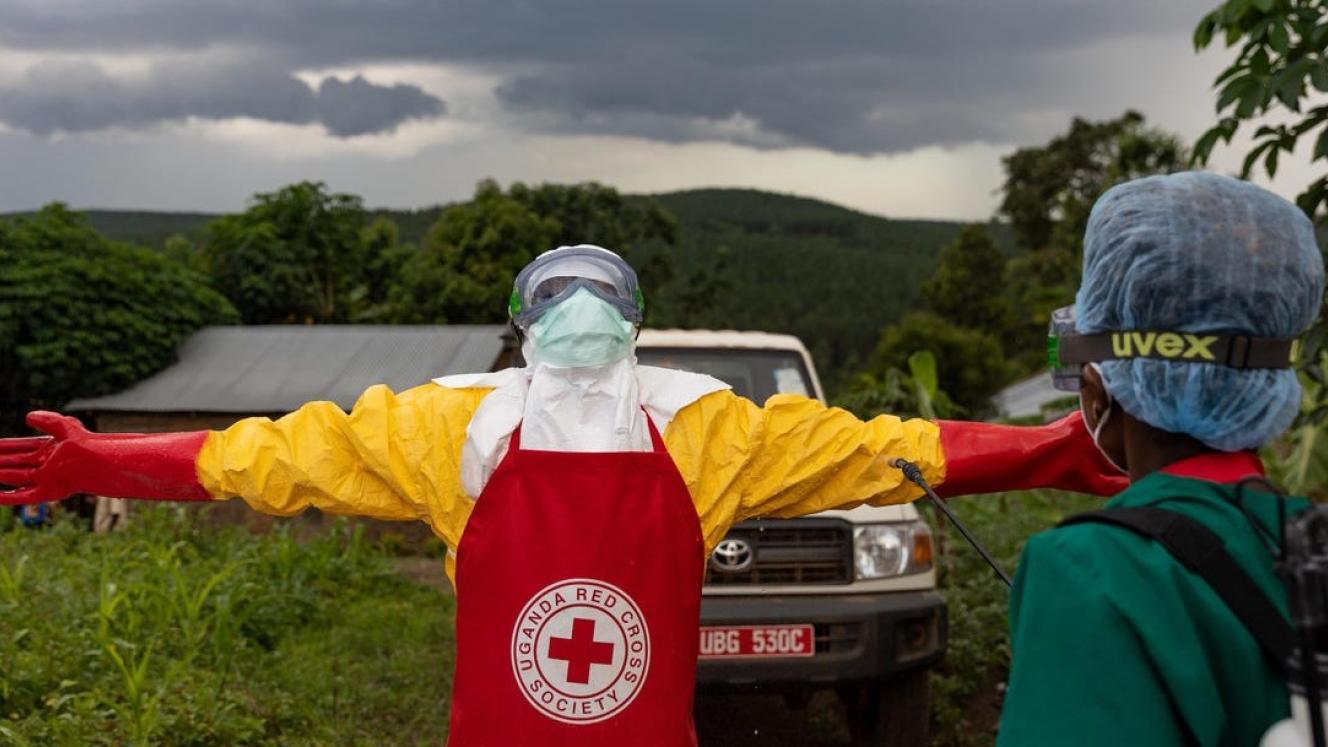
TMCs and travel buyers say that corporate travel to Eastern and Central Africa remains resilient despite a recent outbreak of the Ebola Bundibugyo virus.
On May 17, the World Health Organisation (WHO) declared an outbreak of the Ebola Bundibugyo virus in the DRC and Uganda a public health emergency of international concern, due to the risk of regional spread and uncertainty around the true scale of infections.
As of May 25, the DRC Ministry of Health had reported 101 confirmed cases and 10 deaths, while Uganda had reported seven confirmed cases and one death.
“WHO is on the ground, supporting national authorities with every pillar of the response, including contact tracing, establishing treatment centres, strengthening laboratory capacity, case management, infection prevention and control, risk communication, community engagement and more,” WHO DG, Tedros Ghebreyesus, said during a virtual ministerial briefing on May 25.
Travel buyers cautious but determined
Despite the outbreak, most corporates are still permitting travel to the region under enhanced duty-of-care policies.
In an African Business Travel Association (ABTA) poll, 39% of travel buyers said they were still allowing essential travel to Central and Eastern Africa, provided heightened duty-of-care measures and strict pre-trip vetting were in place.
Za Nkosi, Operations Manager at FCM, said that the Ebola outbreak, along with the knock-on effects of the Middle East conflict, had prompted corporates to become more involved in the pre-trip vetting process as the global risk landscape continues to evolve.
Corporates are now reviewing trips individually based on business necessity, destination and duration of stay. Many require multiple approval levels, often with executive committee sign-off, while additional risk mitigation measures such as security briefings, in-country support and tracking protocols are increasingly being mandated.
“This approach allows organisations to maintain business continuity while ensuring appropriate oversight and duty-of-care considerations are met for each unique circumstance,” said Nkosi.
Meanwhile, 35% of poll respondents said they were still treating travel to the region as “business as usual”, with no major policy changes introduced yet, although they were monitoring developments closely.
Linda Edwards, MD of XL Turners Travel, explained that while corporates were cautious, the outbreaks had been centred in two provinces in eastern DRC, Ituri and Nord Kivu.
“This is far away from the main commercial hubs, such as Kinshasa in the west and Lubumbashi, hours south of Kivu. Business travel is more limited in the affected areas,” said Edwards.
She added that corporates and agents were relying on travel advice from the Africa Centres for Disease Control (CDC) and Prevention and WHO regarding travel to affected areas.
“Most of the travellers still going to DRC or Uganda, especially to affected areas where travel cannot be postponed, are NGOs. They are normally covered by international duty-of-care programmes like International SOS, which monitors travel and provides the necessary support,” said Edwards.
While this is normally managed internally by the client's risk or security team, Jonathan Scott, Senior Account Manager at FCM, noted that their consultants often send tailored advisories with certain bookings, instructing the traveller to ensure they have engaged with their security team or completed the relevant internal risk assessment and country-specific training prior to travel.
US travel ban heightens cautions
The ABTA poll found that only 26% of corporates had implemented strict travel bans, suspending all travel to DRC, Uganda and neighbouring countries.
Edwards said some corporates postponing trips to the region were doing so because of the recent US travel restrictions on foreign arrivals who had previously visited DRC or Uganda.
On May 22, the US Centers for Disease Control (CDC) and the Department of Homeland Security introduced enhanced screening and entry restrictions, barring foreign passport holders from entering the country if they had visited DRC or Uganda in the past 21 days.
However, the US is the only country to have implemented a full restriction, with other countries opting for enhanced screening and targeted traveller monitoring.
“Africa CDC calls on all countries – both within Africa and globally – to refrain from imposing unnecessary travel or trade restrictions in response to this outbreak,” the Africa CDC said in a statement, in response to the US travel ban on May 19.
“The world must avoid repeating the mistakes of previous health emergencies, where fear-driven measures caused major economic damage without delivering proportionate public health benefits.”