Lufthansa and KLM will reduce flights in the coming months due to rising jet fuel prices, which have more than doubled since the Middle East conflict.
In a statement, Lufthansa said it would reduce its flight programme on short-, medium-, and long-haul routes by accelerating the introduction of its fleet modernisation programme.
Long-haul capacity will be reduced by six intercontinental aircraft at the end of the summer schedule. Four Airbus A340-600s will leave the fleet in October, bringing the era of this aircraft at Lufthansa to an end. Two Boeing 747-400s will be grounded from October.
For the 2026/27 winter schedule, Lufthansa will reduce capacity in its core brand as part of a broader consolidation of short- and medium-haul operations across the group’s six hubs, with the cuts equivalent to five aircraft.
The 27 aircraft of Lufthansa CityLine were permanently removed from the flight programme this weekend to reduce further losses. The Canadair CRJ aircraft are nearing the end of their technical operational capability and have high operating costs.
According to the airline, the measures will generate a disproportionate savings effect on fuel costs. “On one hand, inefficient aircraft are being removed from flight operations early. On the other hand, the saved kerosene quantity reduces the unhedged portion of the group's fuel requirements,” the airline said in a statement.
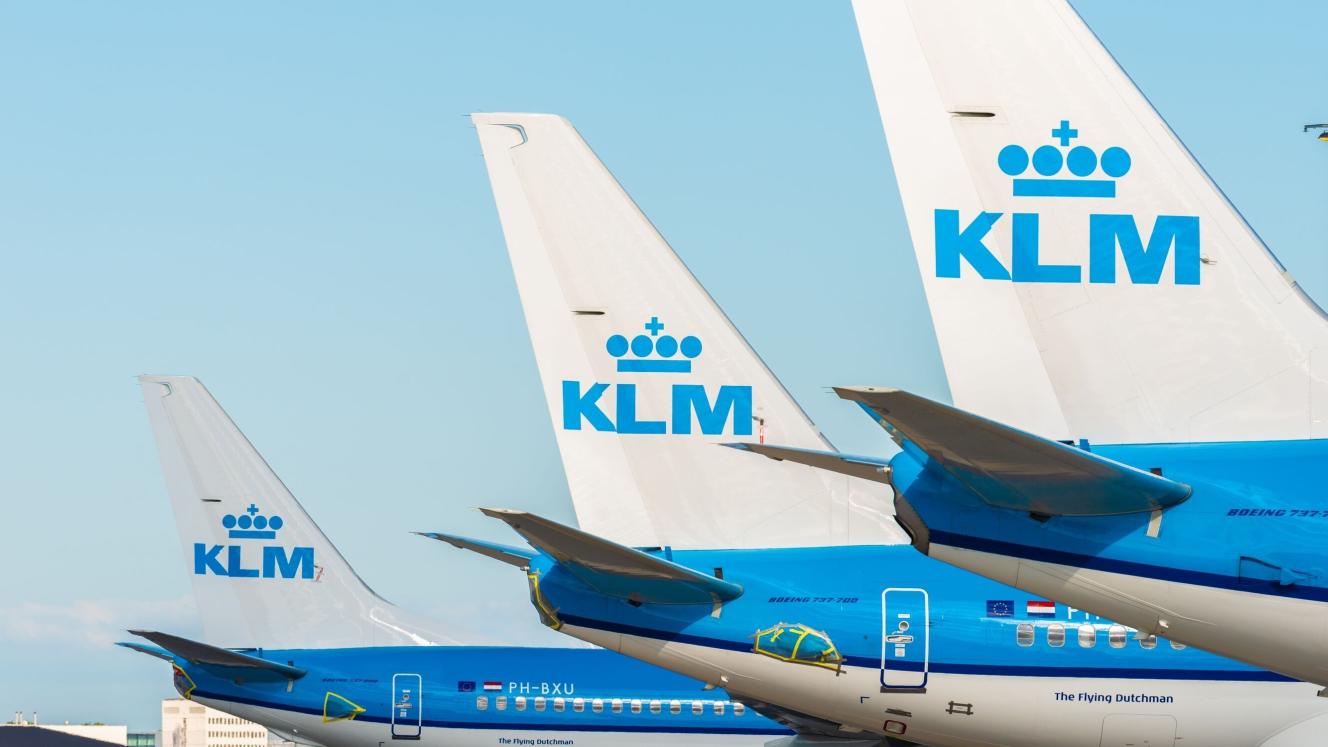
KLM cuts flights
KLM has adjusted its flight schedule for the coming month due to rising kerosene costs. According to the airline, this will affect a limited number of flights within Europe that are currently not financially viable.
KLM will operate 80 fewer return flights to and from Schiphol. “As these are destinations KLM serves multiple times a day, such as London and Düsseldorf, travellers can usually be accommodated quickly. Passengers affected by these changes will be rebooked onto the next available flight,” said the airline.
KLM emphasised that there was no kerosene shortage.
Fuel shortage warning
In an interview with Associated Press, International Energy Agency Director Fatih Birol said Europe has “maybe six weeks” of remaining jet fuel supplies. He said airlines could cancel flights soon if oil supplies from the Middle East were not restored within the coming weeks.
According to Associated Press, jet fuel is airlines’ biggest cost, making up about 30% of overall expenses, and jet fuel prices have roughly doubled since the war began.
Shortages could start soon if the Strait of Hormuz remains shut, as the route handles around 40% of Europe’s imports, but no jet fuel has passed through since the war broke out.