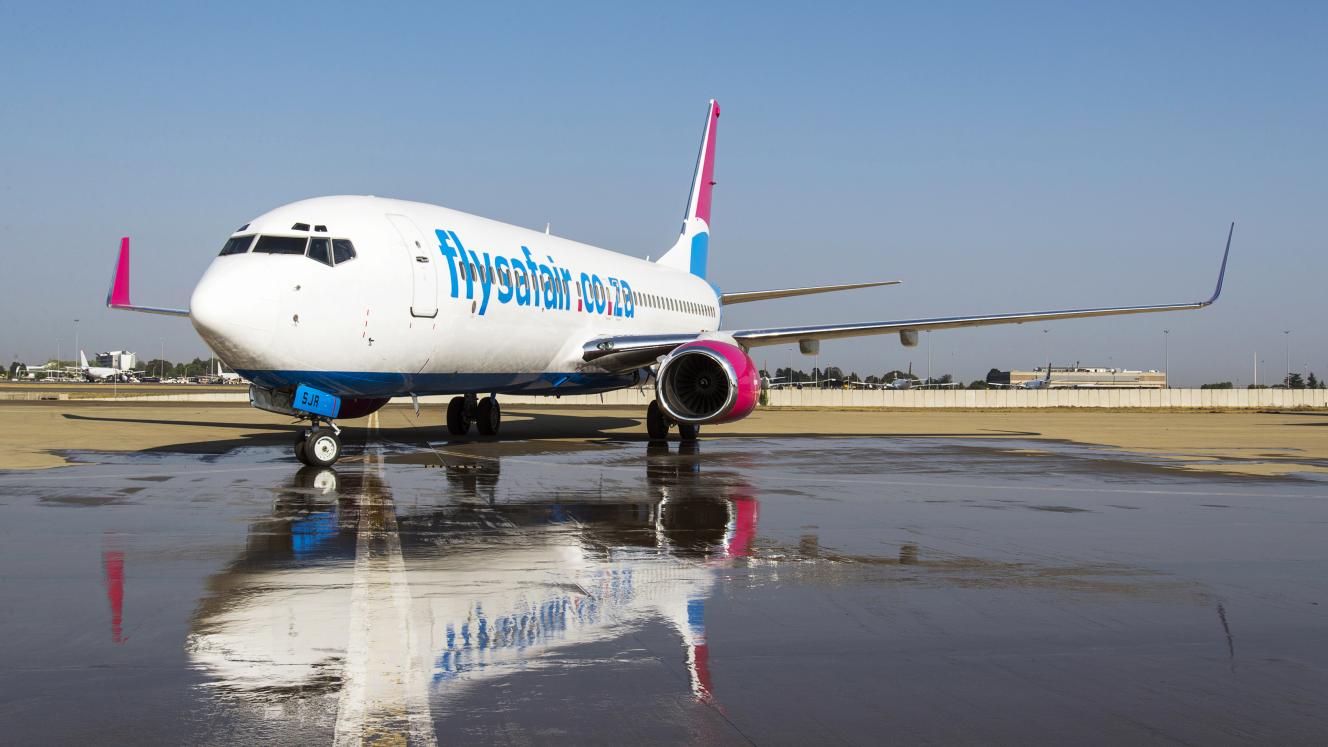
The National Consumer Commission (NCC) has referred its investigation into FlySafair’s overbooking practices to the National Consumer Tribunal, alleging contraventions of the Consumer Protection Act (CPA).
In January 2025, the NCC launched an investigation after FlySafair acknowledged in a social media post that it overbooked flights, sparking backlash among passengers. The investigation sought to determine whether the practice complied with the CPA.
The Commission has now asked the Tribunal to adjudicate the matter, declare FlySafair’s conduct prohibited and impose an administrative penalty of 10% of the airline’s annual turnover.
NCC findings
In a statement published today (May 21), the NCC said its investigation found that FlySafair’s conduct convened several sections in the CPA and resulted in the airline earning revenue from services not rendered.
The relevant provisions relate to the overselling of services, unfair or unreasonable contract terms, inadequate disclosure of material risks, misleading representations, unconscionable conduct, failure to provide services on agreed terms and failure to communicate information in plain language.
According to the NCC, overbooking affected an average 5 000 passengers between November 2024 and January 2025, generating significant revenue that the airline would not otherwise have earned.
“The NCC’s investigation has found FlySafair’s booking practices to be inconsistent with multiple sections of the CPA, which is the basis of the referral of the matter to the Tribunal. The CPA prohibits suppliers from taking consumers' money for goods or services they cannot provide,” said Hardin Ratshisusu, the NCC’s Acting Commissioner.
FlySafair responds
FlySafair said it would use the Tribunal process to present its position, maintaining that its overbooking policy was more conservative than most, and that the practice was lawful and standard practice within global aviation.
“We remain confident that, on a full consideration of the facts, the legal framework and prevailing industry practice, it will be demonstrated that FlySafair has acted lawfully, transparently and in good faith, with due and careful regard to the rights of consumers,” said FlySafair.
FlySafair said overbooking was a standard industry mechanism used to account for anticipated no-show passengers, improve operational efficiency and help keep fares affordable.
It added that, while approximately 5 000 customers were on overbooked flights during the period assessed, more than 99,98% of its customers travelled successfully as booked.
“The vast majority travelled exactly as booked, because the anticipated no-shows materialised as expected. As a result, only 0,02% of passengers were denied boarding and every one of them was offered reaccommodation, a refund and compensation.”
FlySafair also pointed to the Consumer Goods and Services Ombud’s Advisory Note 9 of 2021, which it said specifically recognised overbooking within the South African travel and aviation sector and provided guidance on how such practices should be managed and remedied where disruptions occur. However, the notice has since been removed from the website, despite no notice of a formal withdrawal.
“We believe this matter highlights the need for greater clarity and consistency regarding the treatment of overbooking practices across the aviation sector, tourism sector and consumer goods and services industry as a whole,” said the airline.
The airline said it would continue to engage constructively and transparently through the Tribunal proceedings and operate all its scheduled flights as normal.