The global shortage of commercial aircraft is likely to continue to place pressure on airlines’ operating costs, leading to rising airfares, according to the International Air Transport Association (IATA).
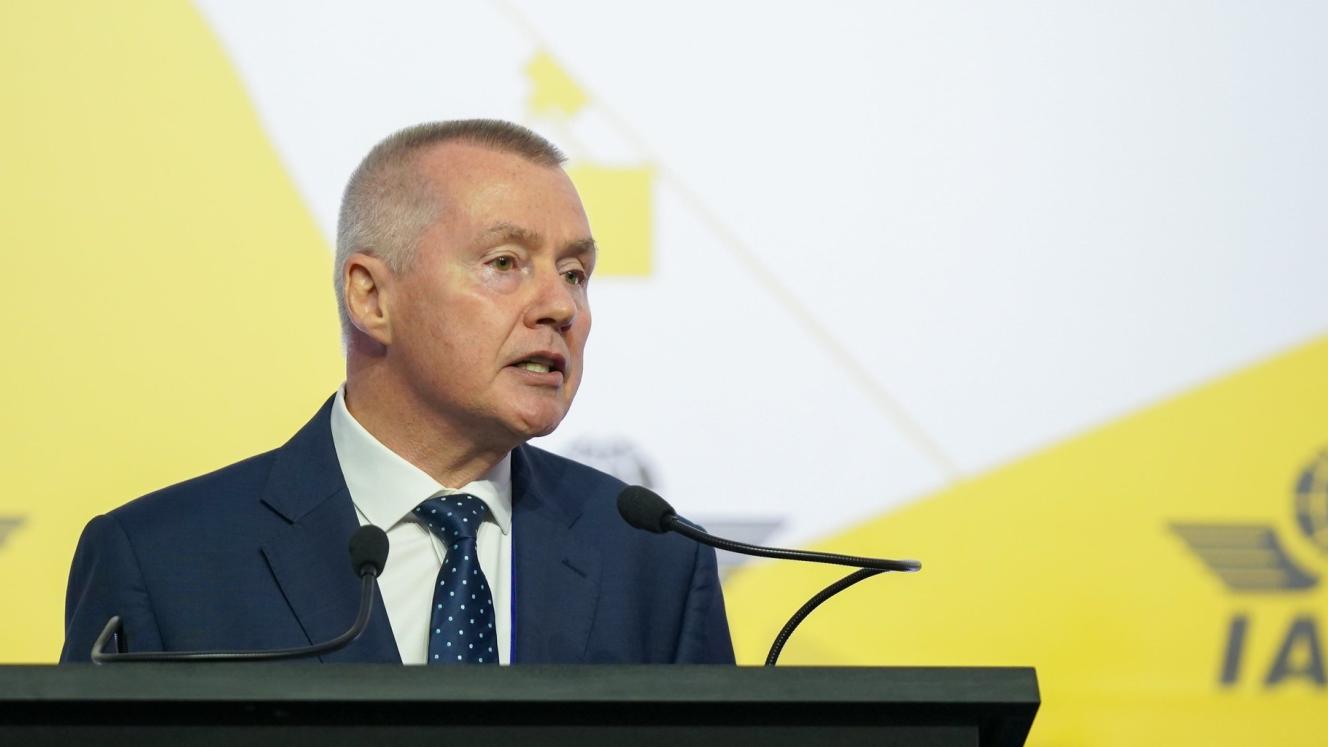
Speaking at its Annual General Meeting in Madrid, IATA Director General, Willie Walsh, said the industry was now facing a backlog of more than 18 000 aircraft alongside a record-high average fleet age of 15,2 years.
“Airlines are short more than 5 000 fuel-efficient replacement aircraft they had counted on, resulting in missed efficiency gains, higher lease rates and increased maintenance costs,” he said.
“In total, supply chain failures cost airlines at least US$11 billion (R180 billion) in 2025. Today’s higher fuel prices will only make that worse.”
Stuart Fox, IATA Director, Flight and Technical Operations, cited aircraft delivery delays, engine durability issues, shortages of materials and spare parts and constrained maintenance capacity.
He further presented four measures that he expects will improve the situation – improved supply-chain visibility, greater aftermarket competition, better integration of data and AI in maintenance – and expanded the training and recruitment of aircraft technicians to address constraints.
“These four priorities alone are not complete solutions. But they would be an important step to achieve the resilient aerospace supply chains that global connectivity needs,” said Fox.