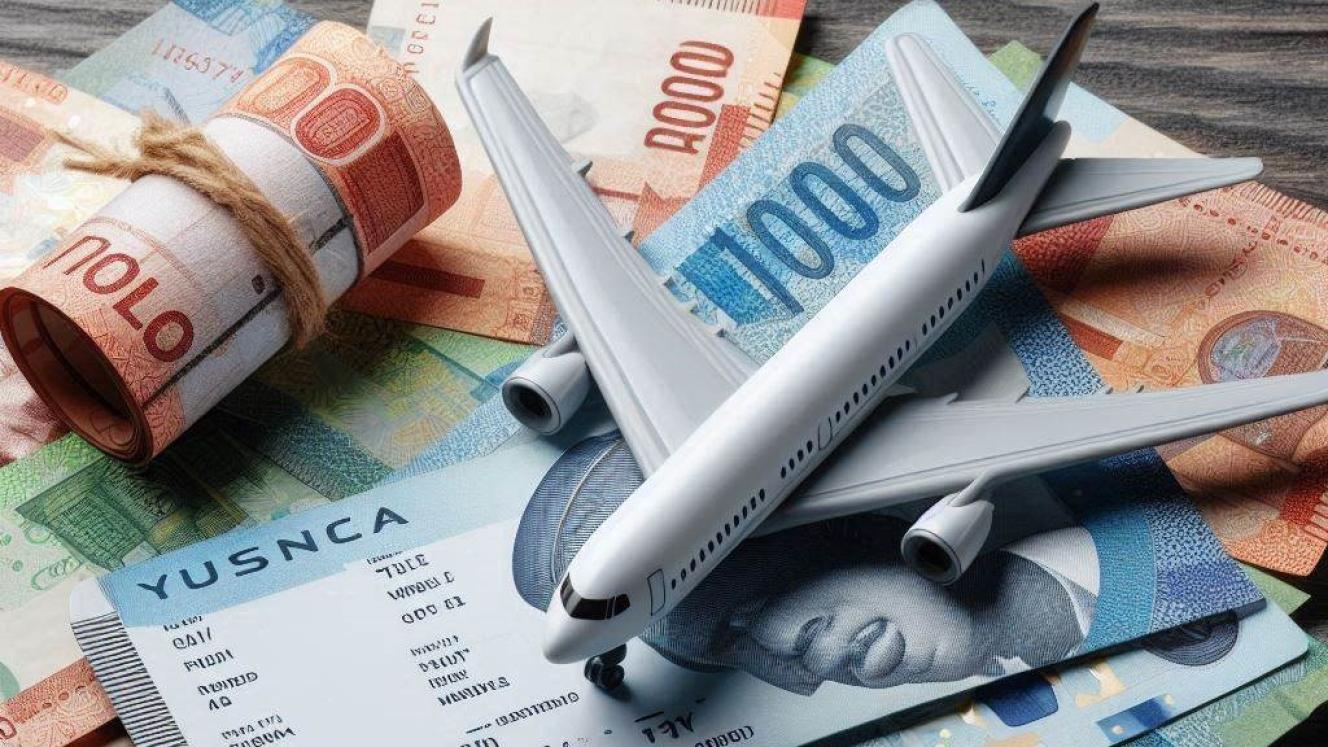
Airfares are climbing sharply as the Middle East conflict pushes up jet fuel prices and restricts flight capacity, with agents reporting the biggest increases on routes to Europe, the UK and US.
A Travel News poll found that 45% of respondents reported the sharpest airfare increases on European routes, followed by 14% for the UK and 10% for the US. Meanwhile, a poll on the OpenJaw Facebook group showed Europe and the US experiencing the biggest spikes, with each region receiving 44% of the votes.
“Travellers planning journeys in 2026 are facing a more expensive landscape, as airfares continue to climb across international markets. The primary drivers behind these increases are a sharp rise in jet fuel prices, up by approximately 60%, and ongoing capacity constraints within the global aviation industry,” said Sharika Maniram-Daintree, Sales and Marketing Manager of XL Sandown Travel.
Reduced capacity
The increase in airfares is being driven by two factors – rising fuel prices, which are reflected in fuel surcharges and reduced capacity as several Middle East carriers scale back operations.
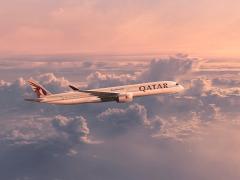
“Emirates is flying only about 70% of pre-conflict flights, Qatar around 40%, which is resulting in the traffic that used to go through those hubs spilling on to other carriers and consequently fuller planes and higher prices,” said aviation consultant, Sean Mendis.
He added that the impact on pricing was a matter of basic supply and demand. “The average direct flight to Europe is 80-85% full anyway and around 10-15% of the traffic is going through the Middle East. This amount is now displaced, resulting flights pushing 100% load factor and only the most expensive fares available,” said Mendis.
Lack of hedging
According to Addison Schonland, Founder of AirInsight Group, the main reason for higher fares, particularly on US routes, was the lack of fuel hedging. All major US airlines, including Delta and United, have no fuel hedged for 2026.
“Nobody was expecting this war to begin so quickly and last for so long. As a result, the lack of fuel hedging is the number-one factor driving up airfares in the US,” said Schonland.
Airspace restrictions
Although most European airline groups have some fuel hedged for 2026, airspace restrictions remain a key factor pushing up fares on European routes.
According to statistics shared by Schonland, the Lufthansa group, IAG and Air France-KLM each have just above 60% of fuel hedged for 2026.
Meanwhile, airspace restrictions in Russia and the Gulf region are forcing European airlines on to longer routings. “Europe has lost its Russian airspace to Asia and now also the shortcut via the Arabian Gulf is gone,” said Schonland.
This is increasing fares of long-haul international travel. “Flights to Europe, particularly to major hubs such as London, are now costing more than 30% above previous levels. These increases reflect a combination of elevated operating costs and sustained demand for transcontinental travel, especially during peak seasons,” said Maniram-Daintree
Travel continues
Despite rising costs, traveller behaviour appears largely unchanged, with many leisure and corporate travellers proceeding with travel plans, according to Maniram-Daintree.
“The industry gets hit year after year by political shocks, health crises, wars, and so on. Yet people keep flying because there’s no more efficient way to accomplish anything far away. So, in the end, we suck it up, pay the price, and keep trying,” added Schonland.
Maniram-Daintree emphasised the importance of early planning. “Booking around 90 days in advance for leisure travel and at least two weeks ahead for corporate trips remains one of the most effective ways to secure competitive pricing and preferred flight options.”
She said elevated airfares were expected to remain a defining feature of travel in 2026 and flexibility and forward planning would be essential for travellers.