
A South African client booking a European holiday through London may need more than a Schengen visa. Add an airport change, an overnight stop or a side trip outside the Schengen area, and the visa requirements can change with the itinerary.
For travel agents, visa planning is an essential part of building the journey. The destination is the starting point; understanding how the client will get there, what they intend to do and which borders they will cross, complete the picture.
Start with the passport and purpose
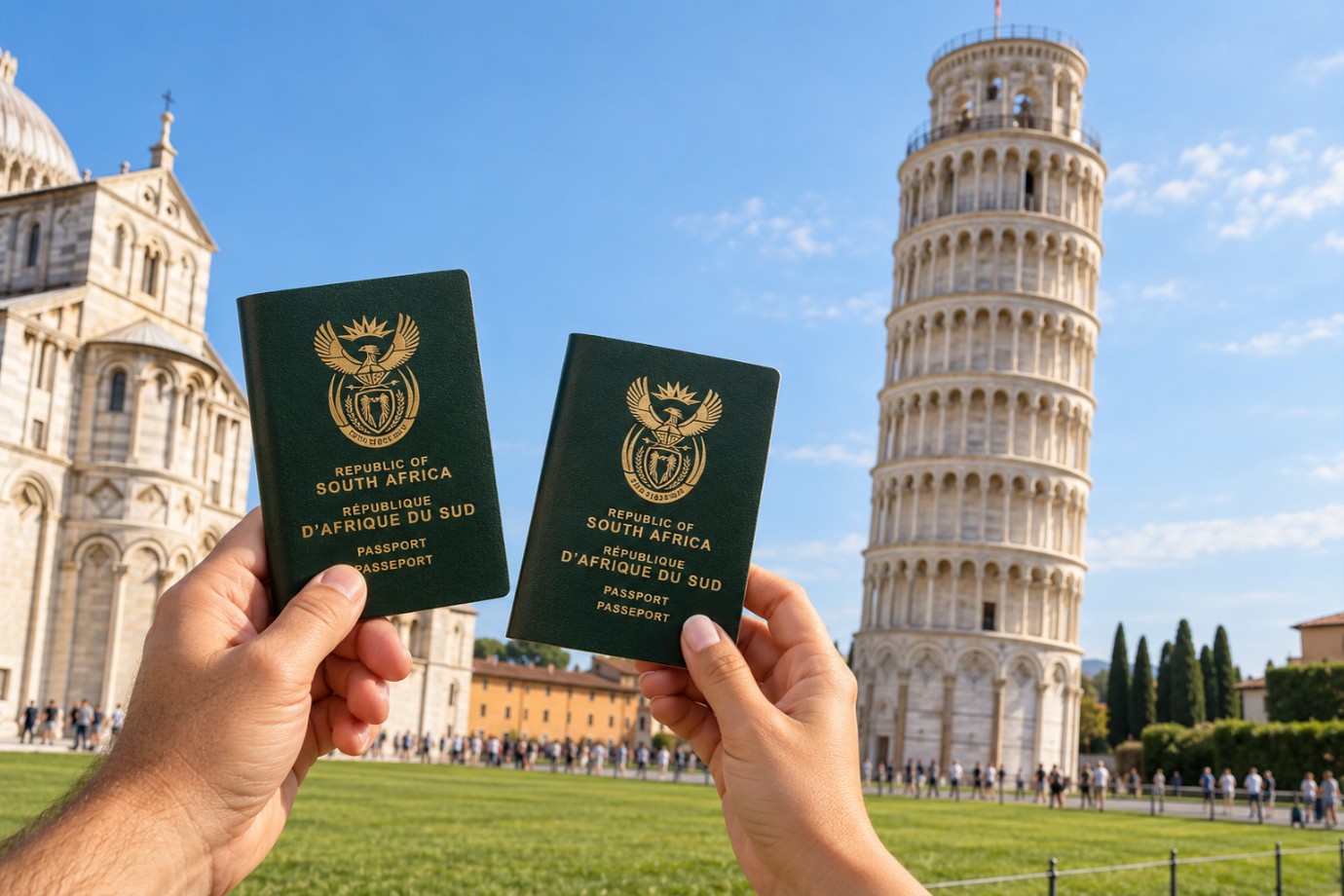
Confirm which passport the client will use and the purpose of the visit before advising on requirements. Dual nationals may have different options depending on their travel document, while holidays, business visits, study programmes and overseas employment can require different permissions.
Digital travel authorisations also need careful explanation. South Africans travelling on ordinary South African passports generally require a visa to visit the UK; the UK’s Electronic Travel Authorisation (ETA) is not a substitute. Similarly, Europe’s ETIAS is intended for visa-exempt travellers and does not replace a required Schengen visa.
Follow every connection
Once the destination requirements are clear, work through the routing.
For UK connections, establish whether the traveller will remain airside or pass through border control. Collecting baggage or changing airports can involve entering the UK, bringing different transit conditions into play.
South African passport holders may require a UK transit visa unless they meet a qualifying exemption. Certain visas or residence permits can support an exemption, but conditions differ between airside and landside transit. Check the documents and itinerary rather than assuming permission to enter the final destination covers the connection.

Match the Schengen application to the holiday
For clients visiting several Schengen countries, the application should generally go to the country where they will spend the longest time. If stays are equal, they should apply through the first country they will visit.
A client flying into Paris for three nights before spending seven nights in Italy would therefore generally apply through Italy. The arrival airport alone does not determine the application country.
Build realistic timelines
Schengen applications can generally be submitted up to six months before departure and should normally be lodged at least 15 days before travel. Normal processing takes 15 days but can extend to 45 days. Appointment availability must also be considered.
For UK Standard Visitor visas, the earliest application date is three months before travel. These different windows make destination-specific planning essential.
Once a visa is issued, compare its validity, permitted stay and number of entries with the final itinerary. A European holiday involving departure from and return to the Schengen area needs particular attention to entry permissions.

Specialist support for agents and their clients
Visaline works with travel agents to help South African clients understand the appropriate visa category, prepare supporting documents and navigate the application process. Involving the team early helps identify requirements while travel arrangements are still taking shape.
Where supporting South African documents need to be obtained, translated or legalised, Apostil.co.za can assist with those processes.
Travel agents can also earn 20% commission through Visaline’s referral programme, adding a revenue opportunity to a service their clients already need. Agents can get in touch by emailing us at info@visaline.co.za.
For visa assistance and travel-agent partnerships, visit visaline.co.za.