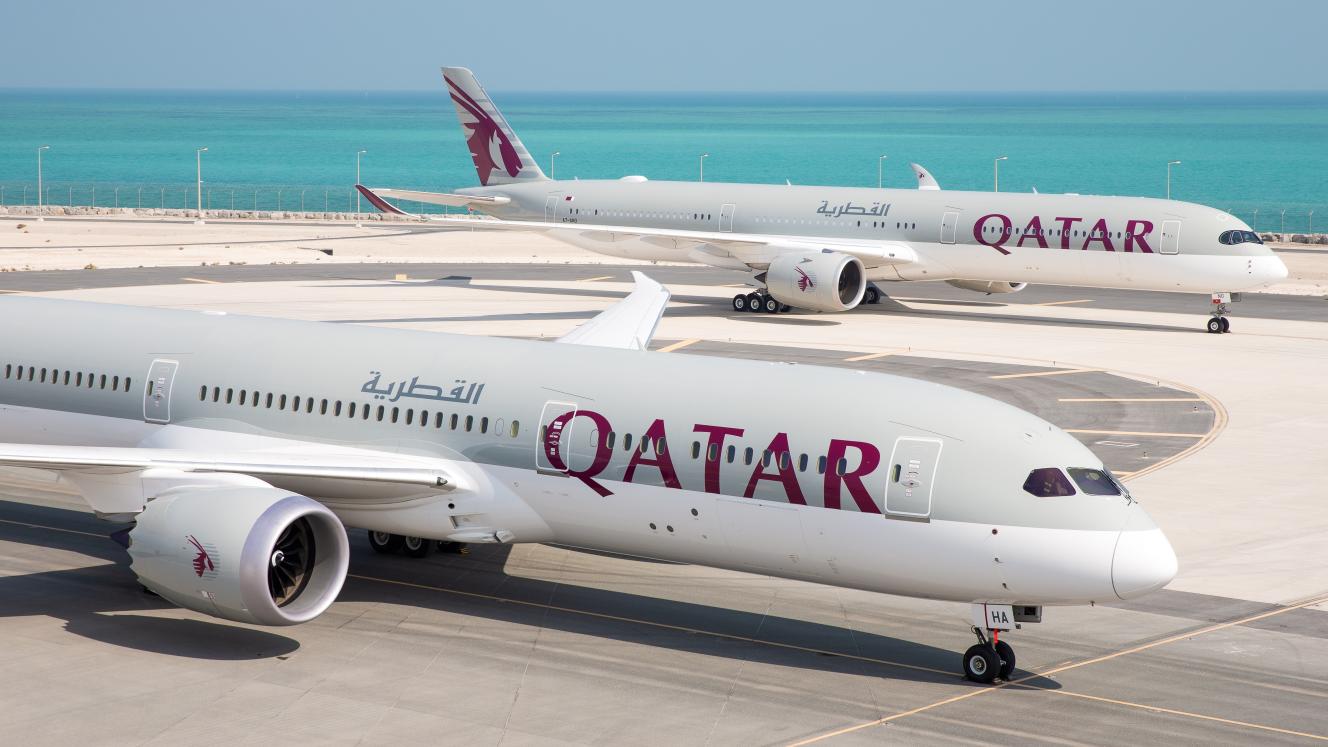
Fresh calls by groups represented by the Members of the European Civil Aviation Sectoral Social Dialogue Committee to suspend the EU-Qatar Comprehensive Air Transport Agreement have raised concerns about the potential impact on connectivity to Europe.
The agreement, signed between the EU and Qatar in 2021 and provisionally applied since then, has faced scrutiny following allegations of corruption and concerns of unfair competition.
The groups argue that the agreement should be suspended until the allegations are clarified. This comes after the European Commission terminated the employment of one of the officials in charge of agreement negotiations following an enquiry by the European Anti-Fraud Office.
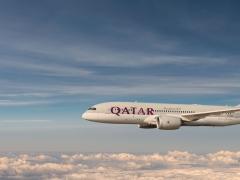
Despite pressure to suspend the deal, ACI Europe says there is no tangible evidence that Qatar Airways has gained a dominant market position in Europe at the expense of European airlines. Qatar Airways’ seat capacity in Europe between October 2025 and March 2026 remained 10% below 2019 levels.
Benefits for SA travellers
Industry players say the agreement has delivered clear benefits for South Africans travelling to Europe by improving access, choice and pricing.
“This Open Skies agreement has been hugely beneficial in opening up Europe. Although one-sided in its uptake between EU airlines and Qatar Airways, it has given more choice to travellers visiting Europe, with increased flights, airline options and competitive fares. Any open skies agreement, which is properly and fairly negotiated, is beneficial for the travel industry,” said Linda Edwards, MD of XL Turners Travel.
Jo Fraser, Club Travel Franchise Executive Manager, said competition introduced by such agreements was critical. “Look at Africa as an example: highly controlled skies result in very low choice for travellers at very high prices.”
Risk to capacity and pricing
If the agreement is suspended, it will impact connectivity to Europe. According to Yumna Kharodia from Sweet Life Travel, it would reduce the number of seats to Europe due to Qatar’s numerous connections.
“Airlines are struggling globally to increase their fleet, meaning it will be difficult for anyone to fill any gap that is created. This will only mean lower capacity, higher fares, and fewer people travelling,” added Fraser.
“Qatar has become a big global travel hub. Any turbulence on this front would obviously affect pricing, markets, routing, access to availability and confidence in the industry,” said Jonathan Gerber, CEO of Tag Travel. However, Gerber believes that the airline industry is dynamic and that other carriers could fill the gap.
Competition for EU airlines
Last year, Lufthansa called for the suspension of the agreement due to concerns over unfair competition and an uneven playing field caused by differences in market conditions and social policies.
According to a statement by ACI Europe, the widening competitive gap is the EU’s own making. “It is due to inadequate and damaging policies and regulations, including taxation, insufficient support for decarbonisation, the failure to deliver the Single European Sky and airport capacity limitations,” said Olivier Jankovec, Director General of ACI Europe.
Kharodia says this agreement should rather incentivise European airlines to upgrade their aircraft and reconsider their fare structures.
“The suspension of the agreement would instead push travellers to alternative Middle Eastern hubs. European carriers have outdated aircraft and draconian fare rules while Middle Eastern carriers have a modernised fleet and more flexible fare rules. Also, their staff don’t strike,” said Kharodia.
Suspension not likely
Debates over the agreement have been dragging on for years, with Jankovec noting that there is yet to be an outcome.
Fraser and Gerber both believe that a suspension is highly unlikely at this stage.
“There has been lots of talk around this but implementation will take a lot of time. The entire agreement has not even been implemented yet,” said Gerber.