Brand must work harder to drive loyalty
BRANDS do it all the
time. They lure potential
customers toward a
loyalty programme by selling
the possibility of amazing
rewards, thinking this will
ensure repeat business and
increased market share.
But some forward-thinking
brands say this won’t last
long, arguing that the loyalty
programme strategy needs
to change if it is to achieve
its end goal – to encourage
consumer loyalty.
Melissa Storey, executive
head: strategy, development
and marketing at First Car
Rental, says customers are
becoming increasingly savvy
and educated with the ‘always
on’ access to comparisons
that comes with the Internet
and social media reviews.
“This wealth of real-time
information can easily disrupt
a brand’s ‘path to purchase’,
forcing many companies to
compete on price alone,”
she says.
As a result, genuine
customer loyalty is fast
becoming a fleeting advantage
for many, says Melissa.
In a survey run by TNW’s
sister publication, eTNW,
in which 78 travel agents
participated, the overwhelming
majority (91%) of respondents
said only 50% or less of their
clients actually redeemed
points for travel. Of the 91%,
35% said less than 10%
of their clients used loyalty
points.
This is because benefits
and rewards alone do not
encourage true loyalty,
says Alan Campbell, brand
manager at Premier Hotels
and Resorts.
Alan says this statistic
could be turned around if
brands shifted the focus
from rewards to service to
encourage genuine loyalty
among customers. “Loyalty
programmes are becoming
the gym memberships of
old, with scores of people
joining them with the best of
intentions and grand visions
of usage, only to find that the
value simply isn’t worth the
hassle of making their way
through a complicated mix
of terms and conditions to
extract the value that initially
attracted them.”
The membership card is
then discarded into that
drawer to lie with that New
Year’s gym membership card,
video store card and library
card – all of which have failed
to remain relevant and deliver
the easy-to-understand value
customers were after when
they first joined, Alan says.
He believes true loyalty is
achieved through the longterm
customer focus on all
aspects of the product and
service offering. “No matter
how enticing your loyalty
programme, if your customers
don’t genuinely connect
with the brand, then the
programme itself will never
succeed in driving customer
loyalty.
New strategies to travel clients
SUPPLIERS have been
exploring new avenues as
they look to further encourage
customer loyalty beyond
points and rewards.
In the eTNW survey, the
overarching theme in agents’
responses was that travellers
want immediate rewards,
and can become frustrated
waiting to accumulate
sufficient points or miles
before they can redeem them
for rewards.
Trafalgar has answered
this by introducing a different
strategy to encourage
loyalty. Says md, Theresa
Szejwallo: “Why complicate
your loyalty programme with
points to be earned and then
make it difficult to redeem
them? Instead, we believe
in rewarding our guests
by giving them a simple,
straightforward discount on
their next trip, regardless of
which brand they choose from
our TTC family of brands.”
Basically, The Travel
Corporation (TTC)
offers travellers
a 5% discount
on the tour or
cruise portion
of the customer’s booking
– provided the customer.
ustomer loyalty forhas hugely encouraged
customer loyalty for
Trafalgar – which enjoys a
repeat guest rate of nearly
50% as a result.
However, discounts
must form part of
greater strategy if they
are to encourage loyalty.
Suretha Cruse, SAA
executive: customer
loyalty programmes,
highlights the importance
of not relying on discounts
alone as a means of
encouraging repeat
business. She says while
discounts achieve instant
gratification for customers,
they don’t necessarily
sway them to return to the
same supplier in future.
“If a similar or better
discount is offered by a
competitor, the customer
is likely to simply switch.”
The SAA Voyager loyalty
card is more than just
a frequent flyer card
because earning and
redeeming miles on SAA is
only one of the many ways
members can participate
in the programme, says
Suretha.
“There are many other
options through which
members diversify the
potential of earning
and/or redeeming miles
even quicker through
cross-utilisation of our
many programme
partner categories,
ranging from airlines
to financials (including
the SAA Voyager Credit
Card), car rentals,
accommodation,
petroleum, retail and
lifestyle,” she says.
Personalisation is also
key to encouraging loyalty.
Melissa Storey of First
Car Rental adds that while
customers’ constant
access to real-time
information makes it
challenging to earn
their loyalty, their digital
activities inform suppliers
exactly how they behave
and how they are
motivated. “This allows us
to align and personalise
their experience by
unlocking the value of our
cross-channel data.”
Rewards- not jus 'nice to have
CONSUMERS have become
pickier about where they
place their loyalty and once
they invest in a brand, they
demand to be rewarded
accordingly.
Benefits and rewards have
evolved from “nice to have”
to musts as a result of
commoditisation of loyalty
programmes, says Sharon de
Leur, Peermont loyalty and
direct marketing manager.
“From a Peermont
perspective, we have seen
a significant increase in the
overall consumer participation
and perceived value of our
loyalty programmes because
of the introduction of lifestyle,
travel and partner benefits
into the Peermont Winners
Circle and Crown Key loyalty
programmes,” she says.
However, often when
travellers try to redeem their
rewards for travel, they are
denied the opportunity – and
this leads to the customer
resenting both the supplier
and the travel agent because
they expect to receive the
reward they were initially
promised, says Hilke
Desmarais, travel consultant
at 360 Degree Travel.
“Some airlines do not give
travellers the opportunity to
be placed on a waiting list to
use their mileage to upgrade
seats. Consequently, even
though the traveller purchased
a more expensive ticket in
order to use miles to upgrade,
these are often not confirmed
due to the airline only having
allocated a specific amount
of seats for upgrades using
miles and the agent or
traveller needs to keep calling
the airline to find out if the
upgrade with miles has been
successful,” she says.
Hilke finds the difficulty in
using mileage to upgrade
seats is a bit narrow-minded
when it comes to customer
relations as an unoccupied
seat is a lost seat.
“As such when the traveller
boards their flight and sees
that business class has
several empty seats, they
become annoyed and often
blame the travel agent for not
having been able to confirm
one of these empty seats.”
She says this often leaves a
bitter taste in the traveller’s
mouth as they’ve been loyal to
the airline but there seems to
be no reciprocation.
Edward Frost, British Airways
commercial manager for
southern and East Africa, says
the increased complexity in
loyalty programmes can be
bewildering for clients as more
partners and opportunities
form for clients to earn and
burn rewards.
“It will all become clearer
to the traveller once they
understand the difference
between rewards and
benefits, actively manage their
accounts, become responsible
for maximising their earning
potential and claim their
rewards early. Only then
will they actively be engaging
with their loyalty programme,”
he says.
News Flash
Air France recently introduced new instant benefits for Ivory members of its Flying Blue frequent flyer
programme. All Ivory members now benefit from a baggage discount on all worldwide flights operated
and marketed by Air France and KLM (except flights between Europe and USA, Canada or Mexico). Ivory
members will receive a €10 (R154) discount on the first paid bag on international and European one-way
flights where the baggage fee is more than €20 (R308). Ivory members can also benefit from a 10%
discount on seats with extra space, for example economy comfort with extra leg-room and extra recline,
or seat plus with extra leg-room. This discount is applicable for all flights operated by Air France and
KLM. These members can now take advantage of these travel options as soon as they join the Flying Blue
programme, before they have even started to earn miles.
Price beats loyalty with leisure travellers
THE likelihood of a client
being swayed by loyalty
points and rewards is
determined by their reason
for travelling.
Of the 78 corporate
and leisure travel agents
who responded to eTNW’s
survey, 50 said loyalty
programmes impacted
consumer choices while 28
were unconvinced.
LATAM Airlines commercial
director: UK, Nordic
Countries and Africa,
Martin Modarelli, says the
effectiveness of a loyalty
programme depends on the
customer’s profile and their
intention to travel.
“While business-related
travel or recurrent travellers
are more sensitive to
loyalty programmes, price
sensitivity is higher for
tourists,” he says.
Hilke Desmarais of
360 Travel, says when it
comes to the corporate
traveller, travel policy often
dictates that the cheapest
available flight needs to be
selected, so if the traveller
has a loyalty programme,
they would accumulate
miles dependent on which
supplier is the cheapest.
“When it comes to the
leisure market and the
client has the budget, then
the loyalty programme may
sway the client. However
our market has become
quite cost sensitive, so
if there is a remarkable
difference in pricing and
the air connections are still
reasonably convenient, then
the client would normally
select the cheaper option,”
she says.
“My clients now look at
price before loyalty,” one
agent said, adding that if
the loyalty cost is slightly
more expensive than the
cheapest option, that is
when the client could be
swayed to remain loyal.
Another agent said that
clients and agencies were
looking at service more
than rewards.
“If I know my client will
get better service with a
particular supplier, then it
is them that I will go with –
that is why I am guaranteed
repeat business as
opposed to losing a client
due to bad service.”
Cruisers are loyal too
LOYALTY programmes
are also popular with
cruise passengers, says
Thaybz Khan, marketing
executive at Cruises
International. “Cruising
generates a high volume
of repeat guests, and
often these repeat clients
are well ranked within
the loyalty programme.
This means clients
automatically qualify
for the value-adds that
come along with being
a loyalty member of that
cruise line, which assists
the client in making a
decision to go on yet
another cruise holiday,”
she says.
Partnership offer more value
SUPPLIERS partnering
together to allow
customers to redeem
points for the same
loyalty programme
across a number
of different sectors
is another way to
encourage repeat
business, the experts
agree.
Sharon de Leur
of Peermont says
consumers are seeking
more value, choices,
point redemption
options, discount
options, ease of transacting and
experiences that add significant
value to their lifestyle – consequently
as loyalty programmes continue
to evolve, brands will have to
be increasingly aware of adding
meaningful benefits and rewards to
mitigate the loss of brand loyalty.
“This has resulted in a number of
brands forming smart partnerships
to offer an enhanced and
broader value proposition to their
consumers,” she says.
Lance Smith, executive sales at
Avis Southern Africa, says suppliers
partnering together is an ongoing
trend and is an example of suppliers
becoming more innovative in their
approach to loyalty.
“At Avis, we have partnerships with
various hotels, credit
card companies, banks,
health companies
etc. which have been
effective in encouraging
loyalty and repeat
business,” Lance says.
It makes sense for
suppliers to partner
up to give passengers
a full-service travel
offering, adds LATAM’s
Martin Modarelli.
He says passengers
who make use of
loyalty programme
partnerships regularly
have peace of mind knowing what
to expect from associated suppliers,
making travelling more convenient
and allowing them to access
benefits faster.
Supplier partnerships are important
in providing the traveller choice and
value, agrees Air Mauritius head:
sales and marketing, Wouter Nel.
Air Mauritius’s Kestrel Flyer has
recently entered into a partnership
with Emirates Skywards, which offers
travellers more choice in earning
and redeeming their miles on both
carriers’ flight operations.
“Through these partnerships,
our travellers have access to more
lounges, flights and other valueadded
benefits that were not there
before,” he says.
Earn rewards faster
EFFECTIVE partnerships also enable
travellers to earn rewards more
quickly.
Partnerships make a loyalty
programme more appealing to
customers because they can
consolidate rewards in one portfolio
rather than getting points across
different vendors and struggling to
build up enough to be redeemable,
says Jimmy Eichelgruen, Delta
Air Lines sales director for Africa,
Middle East and India.
“I do it myself – I fly Delta and
stay at the same hotel chain to
build up points to pay for future
trips,” he says, adding that Delta
has a number of partners, including
Hertz and Starwood Hotels, which
enables customers to earn and
redeem miles for flights or a range
of other holidays perks.
Partnering with companies within
the same or associated industries
can also yield maximum impact and
results, especially when a common
objective – such as the nurturing
of tourism or encouraging business
– is the basis of the partnership,
says Essa Suleman, operations
manager at Woodford Car Hire.
“We have not engaged with
partners for our loyalty programme,
Advance, as yet, although this is a
plan for the future,” he says.
Suretha Cruse of SAA says
supplier partnerships are more
of a necessity for those suppliers
with complementary services or
products as part of their loyalty
offering because the partnerships
provide opportunities for the crossselling
and upselling of those
services.
Suretha says that, by partnering
with complementary partners, a
loyalty programme supplier can
create a convenient multi-partner
one-stop e-commerce marketplace
and offer rewards with such
partners.
“Initially, airline programmes
partnered with other airlines to
extend networks, but more and
more programmes, including SAA
Voyager, have now crossed over to
non-travel partnerships in the retail
and lifestyle space. This is a very
effective strategy for programmes
seeking to continuously keep
customers engaged and the loyalty
card first in wallet,” she says.
Top tip for agents
Hilke Desmarais, travel consultant
at 360 Travel, offered the following
tips for agents who are dealing with
clients who are members of loyalty
programmes:
1. It is important for travel agents
to have a broad knowledge
of the different frequent flyer
programmes. “The client has
spent money with the agency in
order to accumulate miles and
so the agent should reciprocate
by assisting the client with the
redemption of these miles.”
2. As booking tickets when
redeeming loyalty miles is
labour intensive, a slightly higher
transaction fee than normal
would be fair, she says. “Having
said this, the client needs to
understand that the agent is
a go-between and thus does
not have much control if these
seats are confirmed or not.
Communication with the client in
this regard is vital,” Hilke says.
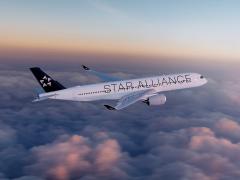
3. Star Alliance, SkyTeam and
oneworld loyalty programmes
are still the most popular among
travellers, Hilke says.
“These alliances make it easier
for the traveller to accumulate
miles and also reach higher tier
levels.”