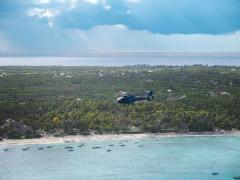
Moambique's multiple flavours
MOZAMBIQUE has had its
fair share of bad publicity
recently, but its unique
tourism destinations and attractions
make it an appealing alternative for
adventurous tourists.
From its 2 500km-long tropical
coastline and its untamed
wilderness areas, to its remarkable
heritage and culture, shaped by
centuries of Portuguese, Indian,
Arabic and African influences,
Mozambique promises an authentic,
engaging experience.
Top wilderness picks
Mozambique’s vast interior is a
blessing for 4x4 enthusiasts and
adventurers who will enjoy the
unexplored, untamed wildernesses of
the country’s hinterland.
1. Gorongosa National Park
Once one of Africa’s most popular
safari destinations, Gorongosa National
Park has only recently re-emerged
as an ultimate adventure safari
destination, following decades of civil
war that virtually decimated its wildlife
population. Increasingly described
as Africa’s last Eden, Gorongosa and
its remarkable variety of ecosystems
are fast being restored. Visitors can
stay at the newly refurbished Chitengo
camp in the heart of the park, as well
as participate in a range of activities,
including game drives, birding,
hiking and visits to the local Vinho
community.
2. Lake Niassa
The natural border between
Mozambique and Malawi, Lake
Niassa is the third largest and second
deepest lake in Africa. Its pristine
crystal-clear waters, white sandy
beaches and remoteness make it the
perfect secluded tourism destination.
Nkwichi Lodge offers a range of
activities including paddling, snorkel
safaris, canoeing, sunset dhow cruises
and fishing trips in traditional dug-out
canoes. The nearby Niassa Reserve
is Mozambique’s largest reserve and
is home to a range of wildlife species
including wild dog and elephant.
3. Maputo Special Reserve
Initially established to protect the
elephant population in the area,
Maputo Special Reserve is today
one of Mozambique’s most protected
areas spanning over 1000km² and
comprising lakes, wetlands, mangrove
forests and a pristine coastline.
It includes the beaches of Ponta
Chemucane, Ponta Milibangalala and
Ponta Dobela. In addition to wildlife,
visitors will be able to see a variety
of marine species including whales,
dolphins and marine turtles that build
their nests along this part of the coast.
The reserve is located just a few
hours’ drive from Maputo.
Top heritage picks
Mozambique’s heritage tourism
potential is undeniable with two
of the region’s richest attractions,
Ilha de Moçambique and Ibo
island, ready and able to welcome
international tourists.
1. Ilha de Moçambique
A jewel in Mozambique’s tourism
crown is Ilha de Moçambique, a
World Heritage Site and once the
capital of Mozambique. A number
of historical buildings in its Stone
Town date back to colonial times.
The island’s key feature, Fort São
Sebastião, was built in the 16th
century and its role as a major slave,
spice and gold trading post remained
until the Suez Canal opened and
the capital was moved to Lourenço
Marques (now Maputo). Today the
island offers a charming village-style
atmosphere with cafés, restaurants
and beautifully restored historical
buildings, although it must be said
that there are still many ruins.
2. Ibo island
Ibo was first regarded as a Muslim
trading port before being fortified by
the Portuguese in the 17th century.
In addition to its interesting location,
reached by boat from the mainland
through magical mangrove forests,
Ibo’s main attraction is its Fort São
João, which today not only houses
a small naval museum, but also a
silversmith’s craft store. Tourists can
also use Ibo as a base to explore
the Quirimbas Archipelago and enjoy
snorkeling, diving, and kayaking
through mangrove forests, dhow trips
and bird watching.
3. Cityscapes
Mozambique’s myriad of cultural
and historical influences has left its
mark on the country’s cities, from
landmarks such as the Railway
Station on Maputo’s Praça dos
Trabalhadores (Workers’ Square)
to the colonial flair of Beira. For
its part, Maputo’s wide, tree-lined
avenues, street music, and beautiful
old colonial palaces give it a charm
of yesteryear, while 1950s resort
hotspot Beira has a number of
beautiful beaches and colonial
buildings, such as the cathedral and
lighthouse.
Top coastal picks
1. Bazaruto Archipelago
One of Mozambique’s most pristine
conservation areas, the Bazaruto
Archipelago, comprises five tropical
islands: Bazaruto, Benguerra,
Magaruque, Santa Carolina and
Bangue, each with their own unique
charm and upmarket lodges. Picture
deserted white, sandy beaches and
magnificently azure blue waters
and you’ll see Bazaruto with its
incredible marine life which includes
one of the last viable dugong
populations along the East African
coast. The protected area’s coral
reefs are home to thousands of
fish and coral species, making it
a popular snorkeling and diving
hotspot.
2. Quirimbas Archipelago
Located in the Indian Ocean off
northeastern Mozambique just
north of Pemba, the Quirimbas
Archipelago is an ecologically
pristine and largely unexplored
marine area comprising over 30
islands stretching hundreds of
miles, including Ibo, Matemo,
Medjumbe and Quirimba. These
islands are renowned for their
exceptional diving, kayaking and
snorkeling sites.
3. Inhambane
Possibly the most popular beach
resort destination for local and
regional tourists, the province of
Inhambane with its Ponta da Barra
and Tofo Beach holiday hotspots
offers a range of holiday activities.
Visitors can dive with the whales
and rays at Manta Reef, catch
marlin off the beaches of Pomene,
or snorkel off Paindane’s stunning
Lighthouse Reef. The town of
Inhambane itself hosts a fascinating
annual dhow race each November.
4. The ‘Pontas’
Popular beach holiday destinations
in southern Mozambique include
Ponta do Ouro, Ponta Malongane
and Ponta Mamoli. Diving,
snorkeling, horse riding, deep sea
fishing and even swimming with
dolphins has become increasingly
popular especially with regional
tourists. These are the quickestaccessed
beaches from South
Africa by road.
Top cultural picks
1. AZGO Festival
Gathering global artists for a two-day
celebration of music and culture
every May, the AZGO Festival brings
together music lovers and music
styles. Thousands of spectators
enjoy a variety of music styles such
as Afro-folk, jazz, reggae, hip hop,
electro and marrabenta, a popular
style of Mozambican dance music
combining traditional Mozambican
dance rhythms with Portuguese folk.
2. Ibo Day Festival
Held every June, Ibo Day Festival
or Kueto Siriwala (home is where
the heart is) commemorates the
independence of Mozambique
and the birthday of St. John, the
patron saint of Ibo island, which is
located in the pristine Quirimbas
Archipelago. In addition to traditional
dancing, bonfires in the town square,
delicious local seafood dishes and
arts and craft displays, there are
also singing competitions and dhow
races. The festival ends on June 26
with a beach procession.
3. Mozambican cuisine
With strong Portuguese and Arabic
influences, Mozambique’s cuisine is
spicy and varied, with such staples
as peri-peri chicken, seafood curries
and hearty soups gracing restaurant
menus. Enjoy fresh seafood dishes
from steamed crabs to peri-peri
prawns at Maputo’s renowned
Mercado do Peixe (fish market) or
head to a pasteleria (patisserie) for
traditional Portuguese pastries such
as pasteis de nata (custard tarts) or
bolo de arroz (rice flour cake) and
coffee, a mid-morning tradition that
has continued from the Portuguese.
The staple eaten by most locals
is maize-meal porridge topped
with a meat or vegetable stew,
although frango (barbecued chicken),
curries and rice, and pregos (steak
sandwiches) are also popular.
4. Makonde art
Mozambique’s most renowned
craft is its Makonde Art created by
the Makonde people in northern
Mozambique. Ranging from ebony
masks and figures to household
furniture, Makonde pieces are widely
collected and have been since the
1950s. The Makonde’s Mapiko
masks have been used in comingof-age
rituals for centuries and
represent spirits, ancestors or living
characters.
City or sand with Holiday Tours
City or sand with hoHoliday Tours has special deals
at two hotels, Villa Santorini near
Vilanculos and the Polana Serena
Hotel in Maputo.
The Villa Santorini package starts
at R18 075pps and includes
return flights from Johannesburg to
Vilanculos including taxes, return
hotel transfers and five nights’
accommodation in a Santorini suite.
Also included are day-trips into the
town of Vilanculos, meals including
picnics on boat trips, all drinks and
guided market tours. Children under
12 stay free and pay only for flights.
A nanny service is also available on
request.
At the Polana Serena Hotel, Holiday
Tours offers a weekend special valid
from Fridays to Sundays until the end
of December.
It starts at R8 669pps and includes
return flights from Johannesburg
to Maputo including taxes, return
airport hotel transfers, two nights’
accommodation, breakfast daily and
one complimentary high-tea during
the stay.
The only Maputo hotel on the beach
TSOGO Sun’s Southern Sun
Maputo is the largest hotel
in Maputo and the only hotel
on the beach. It has also
just undergone an extensive
makeover to the tune of
US$30m (R317,8m).
After a four-month closure,
it has re-opened with
111 new rooms and new
conference facilities. The
existing 158 rooms and
public areas have been
renovated and the restaurant,
lobby and back-of-house
facilities expanded. Other
extended areas include
the lounge and bar, which
now feature a wooden deck
leading to the beach.
The restaurant, Evolve,
offers a view over the Bay of
Maputo and the new 120-
seat conference facility has
two meeting rooms and a
business centre.
Richard Weilers, coo of
Tsogo Sun hotels, says: “A
special residents’ lounge with
key card entry has also been
created overlooking a severalhundred-year-old
fig tree in
the gardens that has been
decorated with chandeliers to
offer an inspiring ambience,
as well as a special place to
relax.”
Rates range from US$279
(R2 965) double for a road
facing standard room to
US$800 (R8 503) for the
Presidential Suite.