The Special Investigation Unit’s (SIU) recent findings about corruption at South Africa’s Home Affairs could threaten the travelling power of the South African passport, warns a visa expert.
In late February, the Acting Head of the SIU, Leonard Lekgetho, revealed that an SIU investigation into Home Affairs had found instances of corruption, where officials were selling visas, permanent residence permits and even South African identities to foreign nationals.
“The SIU has uncovered a disturbing reality: South Africa’s immigration system has been treated as a marketplace, where permits and visas were sold to the highest bidder. Officials entrusted with safeguarding the integrity of the Department of Home Affairs instead turned their positions into profit-making schemes,” Lekgetho said in his speech addressing the Minister of Home Affairs, Leon Schreiber.
Corruption impacts passport trust
“When the SIU describes Home Affairs as a ‘marketplace’, it signals something bigger than a few bad actors, it suggests systemic exposure. Internationally, the worry is simple, if identity can be bought, the passport stops being a trusted proof of who someone is. And that affects every legitimate South African traveller too,” Candice Magen, CEO of Abroadscope, told Travel News.
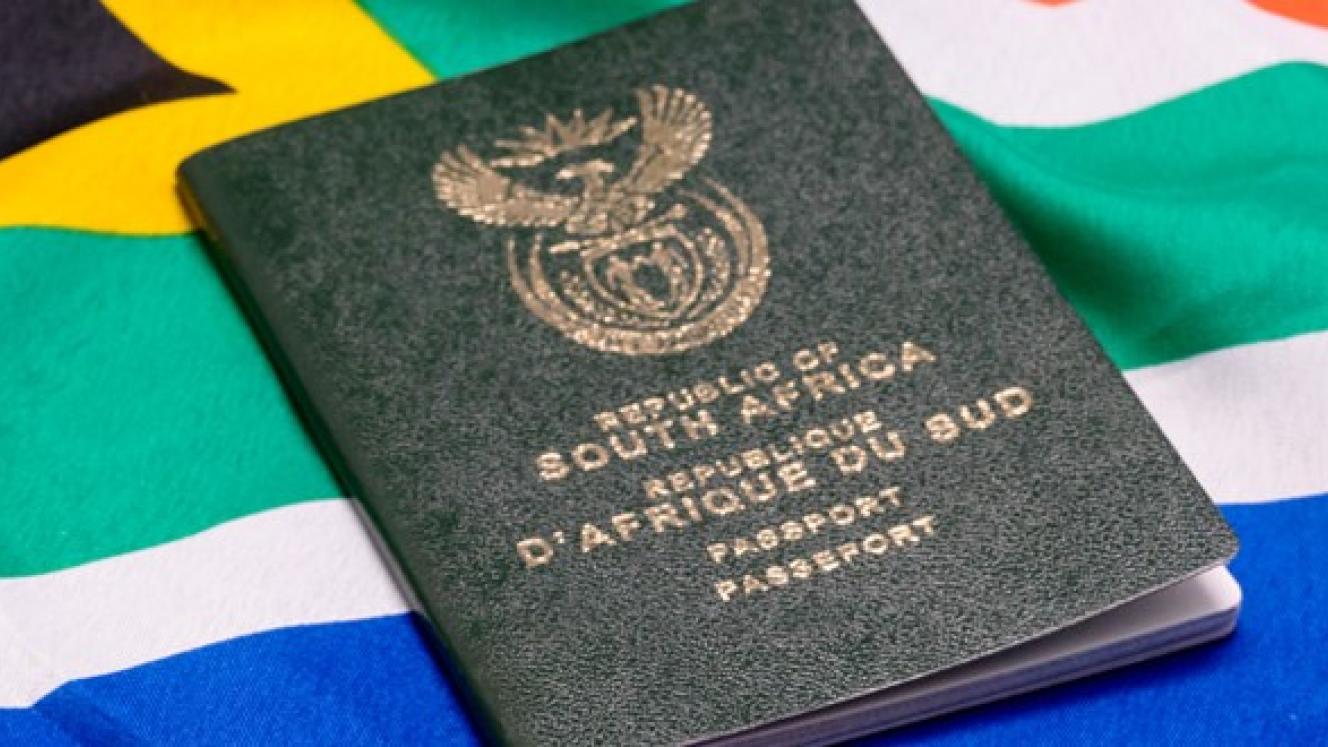
Magen explained that the integrity of Home Affairs, as the passport-issuing entity for South Africa, was essential to the travelling power of the ‘Green Mamba’.
“People often assume a passport’s ‘travel power’ is purely about economics or diplomacy. But, in reality, a significant part of it comes down to trust in the issuing authority, identity integrity, biometrics, audit trails and whether the department can prevent manipulation of the system,” said Magen.
“Visa-free access is ultimately a confidence decision. If a destination country begins to doubt the integrity of the passport pipeline, it rarely debates it for long, it reacts. That reaction typically means increased scrutiny, additional screening, or, as we have seen recently in South Africa’s case with Ireland, the introduction of visa requirements.
Corruption revokes access
In 2024, Ireland revoked visa-free access, specifically citing the use of fake South African passports to apply for asylum status. This method of South African identity theft was confirmed by the SIU.
In conjunction with Interpol, the SIU investigation found a significant scheme of identity fraud, involving foreign nationals who obtain South African passports.
“Ireland’s 2024 move is a warning light. If a country links document integrity issues to asylum pressure or fraud risk, visa policy can change fast. It may not be ‘copy and paste’ everywhere, but the blueprint is real, risk-based policy is how modern immigration works,” said Magen.
“The good news is reputation isn’t permanent. If government delivers visible reform, stronger systems, clean issuance, real enforcement, then confidence can recover. And South Africa can absolutely be positioned as both a trusted passport and a trusted destination.”
However, Magen did not shy away from the challenges that may arise with implementation of these measures.
“The fix is not complicated to describe but it’s difficult to implement properly – biometrics owned by the state, digitised controls with audit trails, secure data-sharing, consequences that actually stick and public servants who deliver. Some reform is under way, but the test is whether it’s rolled out consistently, nationally, and fast enough to rebuild trust.”