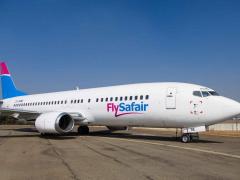
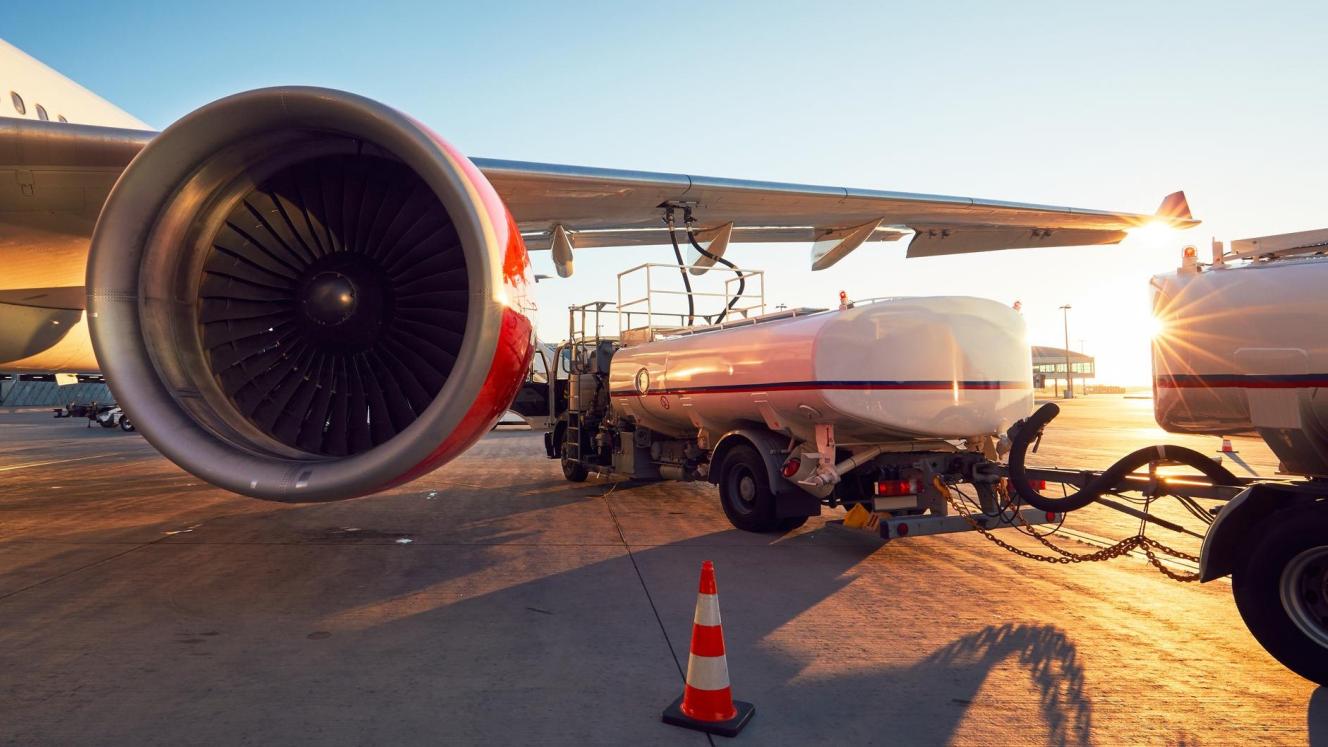
Airlines in Southern Africa are calling for urgent clarity on jet fuel availability beyond May, warning that uncertainty over supply could place further pressure on airfares.
At the end of March, fuel suppliers confirmed that South Africa’s jet fuel supply was secure until the end of May, however airlines say they have not received details about jet fuel supply, contingency fuel allocation and distribution plans beyond that date.
Aaron Munetsi, CEO of the Airlines Association of Southern Africa (AASA), noted that Southern Africa’s aviation industry was particularly susceptible to supply disruptions because of its heavy dependence on imported crude oil and refined jet fuel.
“Airlines require certainty on the security of jet fuel supplies beyond a six-week horizon if they are to maintain their schedules and fulfil their obligations to customers,” said Munetsi. “While we hope the situation in the Gulf will be resolved sooner so fuel shipments can resume, we must safeguard aviation in case the impasse continues.”
Munetsi called for transparent updates on fuel stocks, including what has been ordered but must still be delivered, as well as the status of national strategic fuel reserves and the conditions that would trigger their release and how those reserves would be allocated and prioritised.
In response to AASA’s concerns, Airports Company South Africa (Acsa) stated that its airport network had sufficient jet fuel reserves, with OR Tambo maintaining between five and six days’ cover, Cape Town four days’ cover, and King Shaka International Airport at over 15 days’ cover.
“Fuel suppliers responsible for maintaining jet fuel stocks at the airports have informed us that they are looking at all available options to ensure that they are able to honour their commitments to their customers,” said Ofentse Dijoe, Acsa Group spokesperson.
Information needed to stabilise airfares
“Airlines cannot plan or operate in an information vacuum,” said Munetsi. “Airlines are painfully aware of the pressure that increased ticket prices exert on their customers and the ripple effects across the economy when considering how much we all depend on air transport.”
AASA revealed that, since the US-Israel-Iran war began, jet fuel prices in Southern Africa had, on average, more than tripled from around R8,50 a litre in mid-February to over R30 a litre by mid-April.
Munetsi said the increases reflected rising crude oil prices and concerns about supply security, compounding challenges for African airlines, which already pay among the highest jet fuel prices globally.
AASA explained that, prior to the conflict, jet fuel accounted for up to 40% of operating costs for some regional carriers. The jet fuel price hikes prompted most Southern African airlines to implement fuel surcharges, with some carriers even reducing frequencies and consolidating flights.