Aviation leaders warn that the full liberalisation of African skies will remain out of reach unless infrastructure, operations, and fleet expansion plans are aligned directly with passenger demand and purchasing power.
Speaking at the 14th Aviation Stakeholders Convention in Johannesburg, airline executives highlighted the challenges preventing the full realisation of the Single African Air Travel Market (SAATM), citing issues such as fuel costs, protectionism and excessive fees and charges.
However, several industry leaders argued that discussions around SAATM often overlooked the passenger perspective – particularly affordability and travel demand patterns.
While Africa accounted for almost 20% of the world’s population, it continued to hold a share of only 2,9% of international passenger traffic, Kamil Al-Awadhi, Regional VP for IATA Africa and Middle East emphasised during his opening speech. He said the disparity reflected a mismatch between the cost of financing passenger aviation in Africa and what passengers could realistically afford.
Operating costs continue to rise
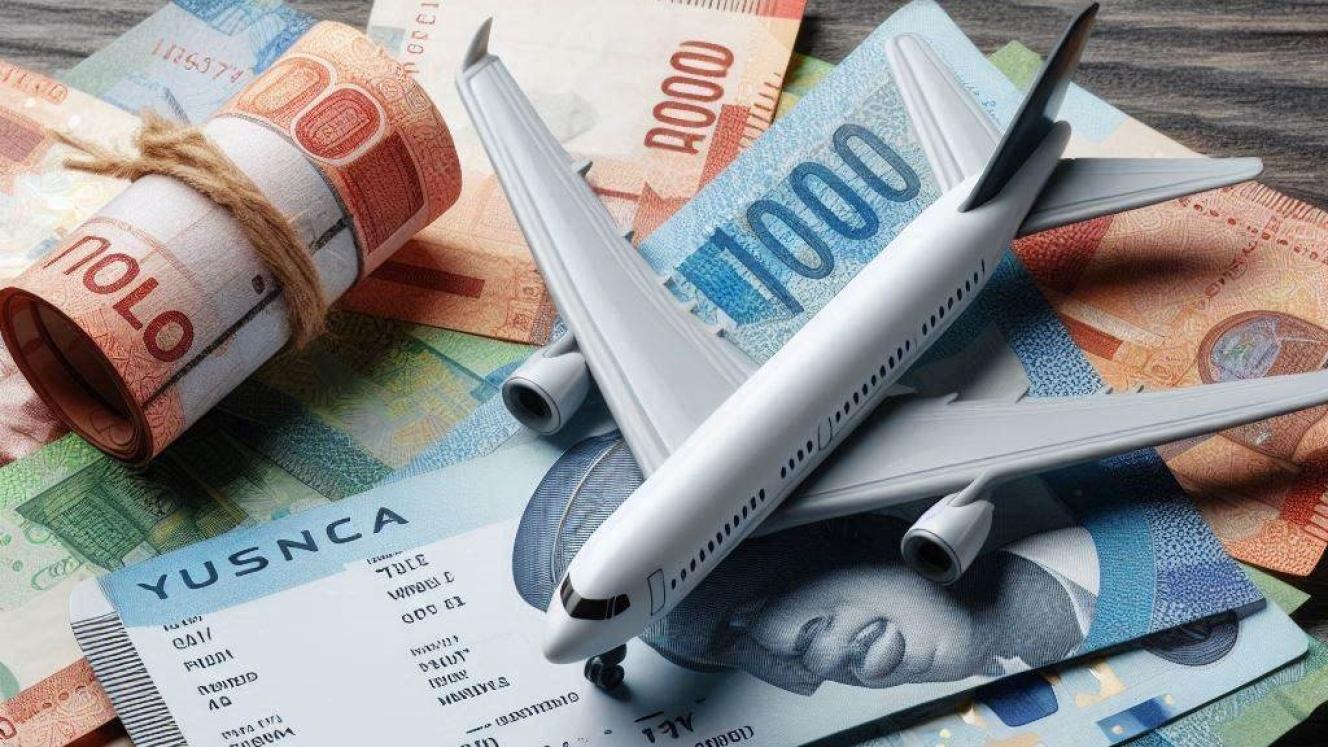
One of the biggest cost pressures facing African airlines was the high level of fees and charges imposed by governments to fund aviation infrastructure, said Al-Awadhi.
He criticised African governments for passing the cost of infrastructure development on to airlines and, inevitably, their passengers, warning that it supressed demand and limited airline expansion.
“This happens too often: an airport wants to add another terminal, so they increase the charges immediately so that the passengers fund the terminal before it's built. But then, once the terminal is built, that charge stays high because it's going to ‘cost more to operate that airport’,” Al-Awadhi said. “African airports will make money one way or another, but it ends up initially being an airline's burden and then becomes a passenger's burden.”
He added that travel costs in some markets became disproportionately high relative to airport operating costs and passenger volumes.
Josia Manyankoana, Interim CEO of ATNS, acknowledged that the issue remained a persistent challenge for airports and air traffic and navigation service providers on the continent.
“There needs to be mechanisms in place to fund infrastructure more efficiently, enabling more airlines to enter into the market. If we don’t alleviate the costs that airlines are having to pass on to their passengers, it will continue to affect uptake,” he said.
Manyankoana added that African airlines were also competing with road and rail transport, making affordability even more important.
Serving demand
Panellists at the convention also warned that airlines were expanding networks without adequately aligning routes and fleet strategies with passenger demand.
George Kamal, Acting Group CEO of Kenya Airways and Chairman of the AFRAA Executive Committee, set the scene.
“Africa has over 1,4 billion people and over 200 active airlines. Yet, in many cases, it is easier for an African passenger to connect through Europe or the Gulf than through another African hub. Even within Africa, today, only about 20% of intra-Africa routes are served by African airlines,” said Kamal.
He called for accelerated liberalisation, infrastructure investment and cross-industry collaboration to narrow the gap between Africa’s aviation demand and its realised connectivity.
“It's not lack of opportunity. It's lack of integration. It's not demand problem. It is structural problem,” said Kamal.
Tebogo Tsimane, CCO of South African Airways, said African airlines also needed to become more competitive and make more commercially realistic decisions around route planning and fleet deployment.
“There is one concept that all businesses understand and that is competition grows markets. In a competitive environment, prices will come down and people will be able to afford to fly,” said Tsimane.
“But if they can’t afford it, they will not fly.”
He said affordability remained one of the most overlooked aspects of the SAATM project.
Tsimane added that airlines needed to align fleet and route strategies more closely with passenger demand and purchasing power if they wanted long-term growth to be sustainable.