Europe's shoulder season is fast becoming the preferred travel window for South Africans, with demand closely rivalling the traditional summer peak.
“Peak season remains the busiest period but shoulder season is experiencing stronger year-on-year growth,” said Angie Cachao, Europe Product Manager at Thompsons Holidays.
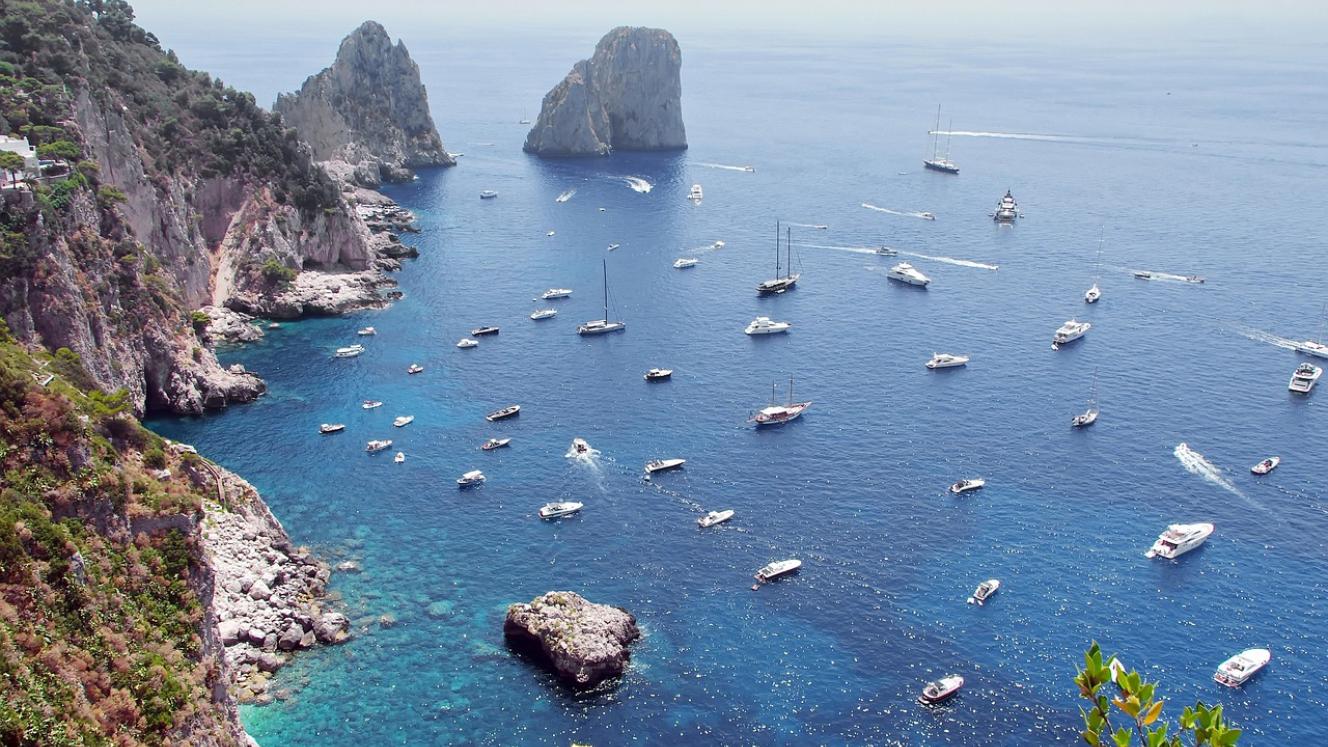
Megan Opperman, an ITC with Envoyage, cited growing demand for the Amalfi Coast in late September, Lisbon in October and the Greek islands in early June. “For clients who have flexibility, these windows are increasingly the first recommendation rather than the fallback option.”
Venue & Destination Options, South Africa’s GSA for coach tour operator Europamundo, has seen the trend reflected in its booking data.
“September is now the single busiest month ahead of July and August, with May and October close behind. Compared with 2019, our October numbers are up more than 50%. Total passenger numbers are up around 30%, and almost all of that growth is in spring and autumn,” said Cameron Schmidt, Accounts & Operations Manager for Venue & Destination Options.
Even in Scandinavia, shoulder months have gained popularity. “Although December remains the busiest month, January, February and March continue to gain popularity. Travellers are recognising that they can enjoy the same winter landscapes and Northern Lights opportunities in a quieter setting and at better value,” said Stacey Rampersadh, Director of Inspirations Travel & Tours.
Factors driving shift
According to Michelle Page, an ITC with Envoyage, these are the forces driving the shift:
Value: Post-pandemic travel has been characterised by price inflation. “Travellers who previously absorbed peak season premiums are more cost-conscious, and when they see the comparison, the difference is enough to change behaviour immediately.”
Overcrowding: Page says social media has made every destination look irresistible but made the reality of peak season crowds impossible to ignore.
Heatwaves: France, UK and Spain have recorded their hottest June on record with the trend expected to continue. Travellers are avoiding the heat and choosing May and September.
Remote and flexible working: Travellers not anchored to school holidays or a rigid annual leave window have more flexibility to travel outside peak periods.
Rampersadh said travellers with flexible schedules were increasingly choosing January to March, when they could enjoy excellent snow conditions, Northern Lights viewing, better availability, competitive pricing and fewer crowds without compromising the experience.
Suppliers adapt
“Suppliers are extending their operating seasons. Hotels are remaining open for longer periods and attractions are expanding their operating hours,” said Cachao.
Europamundo has grown its fleet from 75 coaches in 2023 to 125 in 2026 and increased its guiding team so that April and October now run as smoothly as July. “Airlines and hotels are doing their own version of expansion: bigger aircraft flown later into the year, and rates held through months they used to discount,” said Schmidt.
Penny Mc Aslin, from Optima Rail, said rail operators were also extending advance booking periods and offering attractive discounts to encourage travel outside the traditional peak months.
In Scandinavia, suppliers are extending their winter programmes beyond the festive season. “Hotels, activity providers and Northern Lights operators offer comprehensive programmes throughout January, February and March, ensuring travellers can access the same experiences available during December,” said Rampersadh.
Long-term shift
The rise of shoulder season travel reflects a long-term shift in traveller behaviour.
“The concept of a traditional travel season is gradually evolving. Travellers are placing greater emphasis on value, authentic experiences, and flexibility. As a result, demand is becoming more evenly distributed throughout the year,” said Cachao.
Schmidt said the change was structural. “It is driven by the climate and by the way people work now, and neither is going back.”
According to Opperman, school holidays and the appeal of a ‘European summer’ will continue to drive peak-season demand. “But the gap is narrowing, and among experienced travellers, shoulder season has already become the default for many destinations.”
She added that focus should shift to managing that growth sustainably. “The question is whether that growth is managed thoughtfully or whether we simply export the overtourism problem from July into October.”