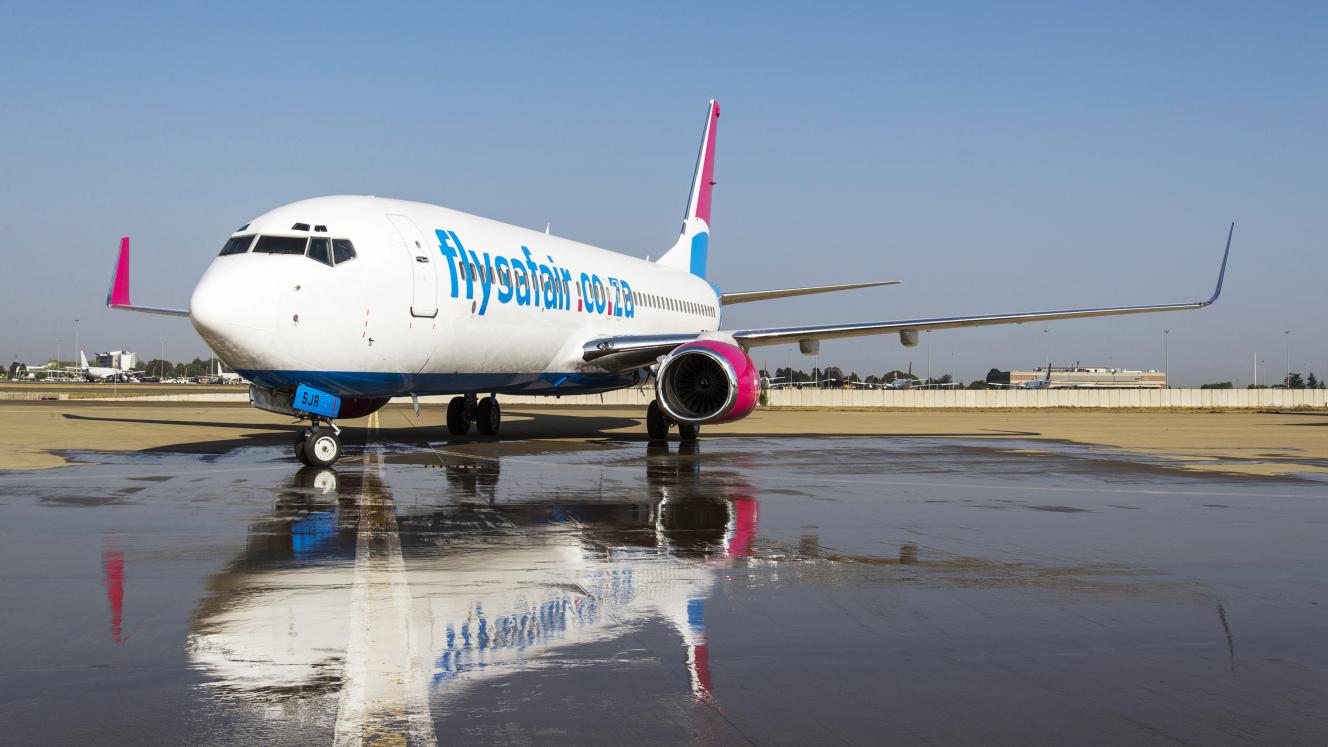
The National Consumer Commission's decision to refer FlySafair to the Tribunal over its overbooking practices has sparked intense debate among travel professionals.
While FlySafair argues that its overbooking model is essential to funding its passenger flexibility and maintaining its low fares, the Competition Commission and critics have labelled the practice "unconscionable" and “greedy”.
A poll on Travelinfo’s OpenJaw revealed that the travel trade are divided on their stance in this debate, with some saying many airlines overbook while others felt that the practice should not be permitted anywhere.
Overbooking funds flexibility
In a column on LinkedIn, Kirby Gordon, FlySafair’s Chief Marketing Officer, details how the airline’s overbooking mechanism and breakage model directly assists the airline’s lower fares and offers more flexibility for no-shows.
“Breakage models exist because the alternative: provisioning full capacity for every customer at every moment, is grossly wasteful and would translate directly into higher prices. The alternative is higher prices, fewer flights, more empty seats, stricter cancellation policies, and the elimination of the small consumer-friendly flexibilities that breakage models currently fund,” Gordon said in the column.
In an interview with Travel News, Gordon explained the breakage model in more detail, likening it to a water tank: “As much as the tank fills up, it also leaks.”
He explained that the water that went into the tank, or the revenue earned, came from ticket sales, sales of ancillaries, penalties for changes, overbooked seats and more.
However, according to Gordon, other than errors and inefficiencies, FlySafair’s leakage is attributed to the airline’s leniency with no-show passengers.
“We offer leniency with accommodating people on later flights when they miss their flights without making them buy new tickets. We will also allow passengers to change a flight up to a few hours before departure and cancel their flights and refund the value to a voucher up to 24 hours before the flight departs,” said Gordon.
He has framed this flexibility as one of the biggest unintended impacts on passengers should the Tribunal rule against FlySafair and its overbooking practices.
“At the end of the day, something in the system has got to give. Either we need to increase the flow from other sources, so up fares and fees, or limit the leakage, such as this leniency.”
Of 86 respondents on the OpenJaw poll, 18% said FlySafair's overbooking could be justified because of its exceptional flexibility with passengers and low baseline prices.
An additional 10% of agents said that, while FlySafair offered great operational flexibility, they still did not condone overbooking, noting that a no-show seat was already paid for.
Overbooking but no flexibility
While some agents agreed that FlySafair offered enhanced flexibility to its passengers, just over 70% of the respondents disagreed with overbooking tactics, noting that flexibility had lessened.
Of poll respondents, 58%said, from their experience, FlySafair’s flexibility did not offer more value than other carriers.
“Over booking is not fair to the passengers, full stop,” said Johan Borstlap, Operations Director at JetFreighters.
Borstlap explained that overbooking was first introduced in the 1980s when airlines were required to refund passengers who missed their flights. Airlines then implemented overbooking as a mechanism to protect their revenue. He noted that the revenue earned from the overbooking was used to ensure that affected passengers received full-service accommodations and even upgrades for their inconvenience.
“On airlines today, a passenger will lose their ticket value if they no-show so the seat is paid for and the airline does not lose any revenue to offering the same accommodations,” said Borstlap.
With regards to the impact on airline’s revenue in today’s environment, Borstlap believes that revenue earned from overbooking is marginal and should not impact airfares to the extent that Gordon describes.
Overbooking strains passengers
14% of agents said that, regardless of global practices, the operational headache and reputational damage to travel agents when a client was bumped made the mechanism completely unjustifiable.
Agents on OpenJaw described how their encounters with overbooking cost them and their clients a lot of money, as they were required to make alternative flight and accommodation arrangements.
“I say, and I think most authorities worldwide agree with me, that the seat is paid for. In many countries, the airlines pay a penalty if they overbook and a passenger is inconvenienced. Flying is not cheap, so why must airlines add such unnecessary stress to our clients,” said Borstlap.