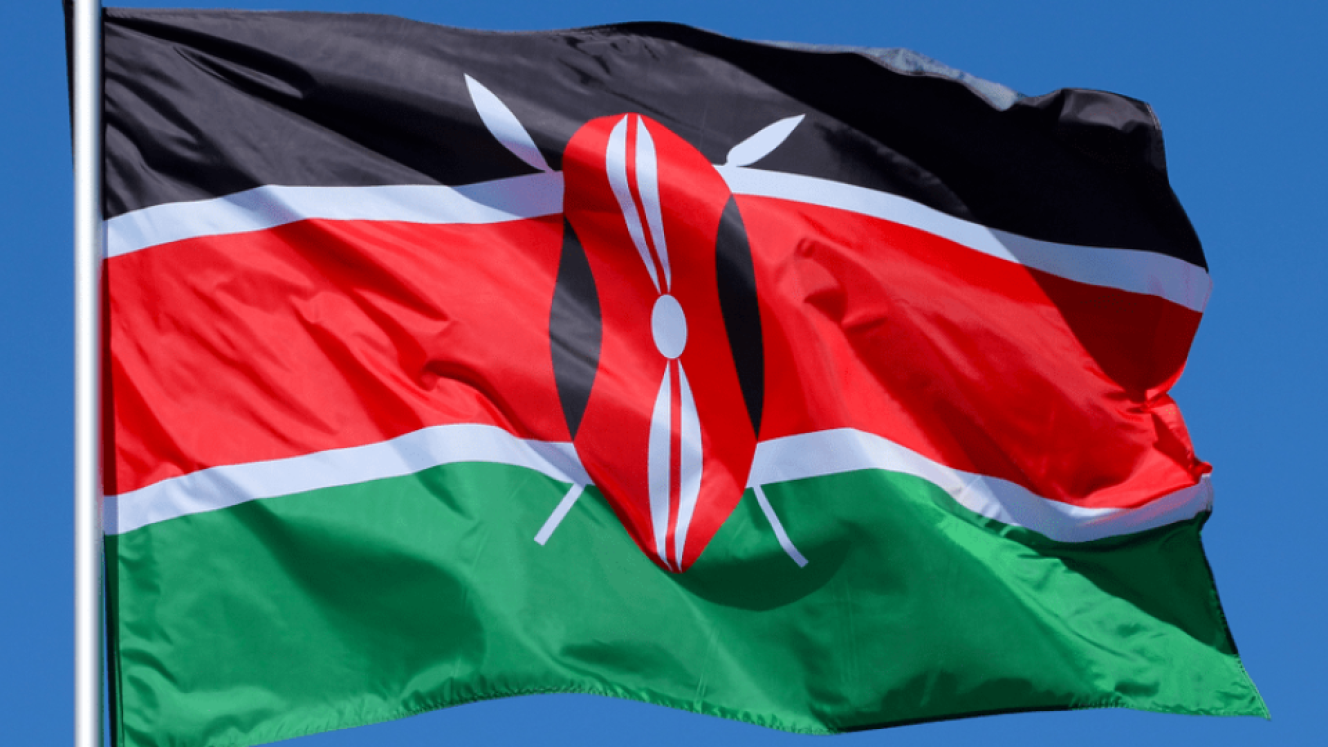
A year after mainland Tanzania introduced mandatory travel insurance for foreign visitors, Kenya is preparing to follow a similar path with its own compulsory travel health insurance requirement.
The new regulations, published in the Kenya Gazette on July 30, set out a plan that will require most international travellers entering Kenya to have travel health insurance with a minimum medical cover of US$50 000 (R813 000).
Under the regulations, the insurance policy must cover medical treatment and hospitalisation, emergency medical evacuation, prescription medication, mental health treatment and repatriation of mortal remains.
While the government says the move is designed to protect visitors and reduce the financial burden on the country’s healthcare system, the tourism industry is concerned it could make the destination less competitive.
Cost concerns
Tourism Consultant Antonie Vegter voiced concerns over the move stating that governments should not become insurance providers.
“The government should not get involved in providing insurance,” he says. “A more suitable policy would have been to require that travellers show proof of travel insurance, which at least covers medical expenses, emergency evacuation and repatriation, in addition to liability cover so that tourists do not become a financial burden on the state. But tourists should be free to purchase such insurance anywhere.”
Industry leaders warn that mandatory insurance could become one of several cumulative costs affecting East Africa’s competitiveness. Visitors already pay visa fees in some destinations, park entrance charges, conservation levies and tourism taxes. If every country in the region introduces its own compulsory insurance programme, the additional costs could become significant for families and multi-country travellers.
A tourist visiting Kenya, mainland Tanzania and Zanzibar on a single safari itinerary could end up paying more than US$130 (R2 110) per adult in mandatory insurance charges alone while still maintaining a separate international travel insurance policy purchased at home. Critics argue this creates duplication rather than additional protection.
Not everyone in the industry is opposed to the new rules. Chris Kinoti, Managing Director of Africa Oasis Safaris Ltd, believes the policy aligns Kenya with international best practice.
“The new minimum US$50 000 policy limit puts Kenya right in line with destinations like the Schengen Zone, Qatar and Thailand,” he says. “It gives safari travellers peace of mind while exploring Kenya. The key is ensuring visitors’ policies meet the required limits before they travel.”
Implementation unclear
Even as debate continues, questions remain about how and when the programme will be implemented.
Fred Odek, Chairman of the Kenya Tourism Federation, notes that, although the mandatory insurance requirement is contained in the Social Health Insurance Act, it is not yet operational.
According to Odek, several important issues still require clarification, including the approved insurance providers, methods of purchasing the cover, pricing, verification procedures and whether existing international travel insurance policies will be recognised.
“The recent Gazette notice, specifying the cover limits, is just one of the requirements before the cover can commence,” he says, adding that the Kenya Tourism Federation is engaging with government to seek clarity on implementation timelines and the status of pre-existing international insurance policies.
The mandatory travel health insurance programme is now facing a constitutional challenge in the High Court with petitioners questioning its transparency, implementation process and the selection of participating insurers. The case will be mentioned on September 29, 2026, when the court will consider whether to suspend the programme pending its determination.