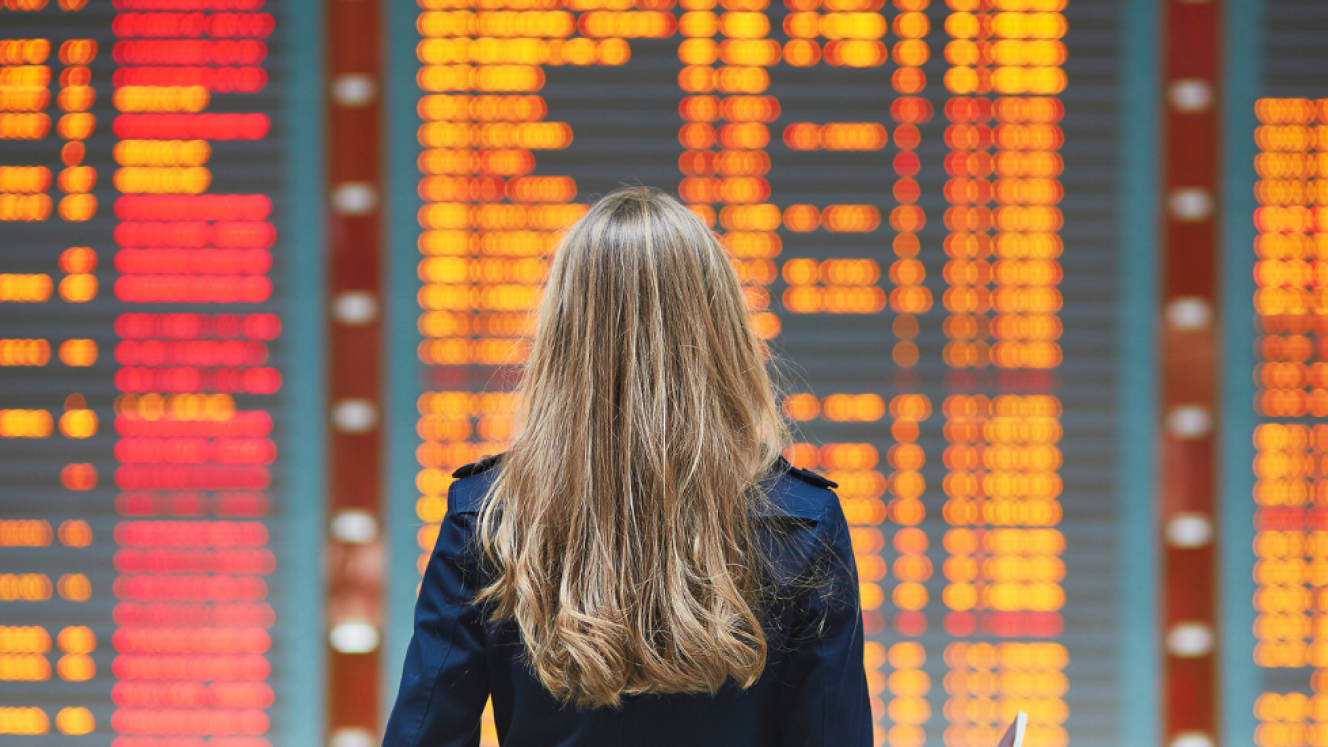
Rising airfares are prompting travellers to postpone trips rather than cancel them or absorb the additional costs. According to a Travel News poll, 43% of respondents said clients were delaying travel in response to airfare increases, while 79% of respondents in the OpenJaw Facebook group said clients were reconsidering trips after seeing flight prices.
“We have certainly noticed an increase in clients delaying their travel decisions once they receive quotations. The price of international flights plays a big part,” said Tammy Wright, Sales and Product Manager of Dream Kist Tours.
Pieter Heunes Bezuidenhout, MD of Dimension Travel, said it was particularly true for long-haul journeys. “Once they receive quotations for long-haul destinations such as Europe, Australia, New Zealand and North America, the costs are higher than expected. Rather than cancelling completely, many choose to postpone their travel plans.”
Travellers are comparing current prices with what they paid for previous trips. “Some clients may not have taken into account that prices have changed significantly due to rising fuel costs and that South Africa has aligned its fares to USD. Even if we are quoting in rands, we still have the USD exchange rate to take into account,” said Monique Victor, Owner of Victor Voyages.
She said bookings for June, July, August and September had slowed and December bookings were taking longer to book and confirm.
Funding trips
According to Wright, the challenge isn’t the total cost of the trip but the ability to fund it upfront. She said family travel had been affected most because families typically operated within stricter budgets, while solo travellers appeared more willing to absorb the higher costs.
“Higher flight prices are making travellers think more carefully about when they travel and how much they're willing to spend by delaying their trips until they feel more financially comfortable.”
How travellers are adapting
Bezuidenhout has noticed clients postponing to non-peak periods. “We're seeing travellers shift away from peak periods such as December, January and school holidays. The best value is generally found during the shoulder seasons, particularly February to May and September to early November.”
Travellers are still willing to travel, but are taking longer to make a decision. “Some choose to delay travel by a year, travel during a different season, or spend more time saving so that they can still enjoy the experience they've been planning for,” said Wright.
She said this was evident with bookings to Japan. “Demand for Japan is still strong, but once clients see the flight costs, some decide to postpone their trip. In many cases, it’s not that they no longer want to travel – it’s that the airfare pushes the trip beyond the budget they had in mind,” said Wright.
Retaining bookings
Bezuidenhout believes much of the postponed demand will return later in 2026 and into 2027. “The desire to travel remains strong, but travellers are becoming more price conscious and strategic about when they book and travel.”
To retain bookings, they focus on alternative travel dates, different airline options and more flexible routings. “In many cases, a small adjustment in travel dates can result in significant savings,” he said.
Dream Kist encourages clients to book further in advance. “This provides access to better flight availability and pricing. Our focus is on finding alternatives that allow clients to still take the trip they want, even if it means planning further ahead. This approach converts what could have been a lost booking into a delayed booking instead,” said Wright.
Victor agrees that postponing travel is better than cancelling. “The situation is constantly changing and it would be better than a cancellation, which results in loss of revenue to the client. If a client has booked but is a bit wary due to travel conditions, I encourage them to do a date change to avoid losing out on their deposits.”