South African travellers are showing strong demand for December holidays despite limited airline capacity and rising fuel prices pushing up airfares.
A Travel News poll revealed that 76% of agent respondents witnessed a spike in December airfares compared with 2025.
According to Zay Ferguson-Nair, Customer Experience Leader at Flight Centre Travel Group South Africa, demand for December bookings is high, while the ongoing fuel crisis has constrained seat capacity and increased fuel surcharges.
“These forces are converging to make this December the most competitive South African holiday season on record. Most South Africans only start thinking about December in October. But this year, by then, the best availability and most competitive fares are long gone,” said Ferguson-Nair.
December in demand
December is normally South Africa’s most demand-intensive travel month. However, this year, demand has also been boosted by travellers who delayed or rerouted trips earlier in the year.
“A portion of disrupted June and July bookings have been rerouted as some nervous travellers adjust their plans. The combination of compressed supply from fuel-driven flight cancellations and elevated demand creates this pricing pressure,” said Ferguson-Nair.
“December availability is filling faster than usual this year, and travellers who acted earlier in the year accessed a meaningfully different market from those who have waited until spring to book.”
Limited seat capacity
While many international carriers have largely restored their flight networks despite ongoing geopolitical tensions in the Middle East, the fuel crisis is driving a separate and significant wave of capacity reduction across the broader industry.
According to Cirium data, airlines cut 13 000 flights globally in May alone, removing nearly two million seats from the market.
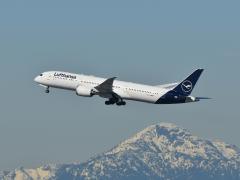
In April, Lufthansa Group announced plans to cut 20 000 short-haul flights from its schedule through October in response to rising fuel costs. Air France-KLM has also announced capacity reductions on some routes.
“The reason for these flight reductions in every case is the same: jet fuel has more than doubled in price since the conflict began, making routes that were previously profitable no longer viable,” explained Ferguson-Nair.
Fuel prices continue to surge
As Travel News reported, fuel prices are rising, putting pressure on airfares because of ongoing challenges in international and domestic fuel supply chains.
Ferguson-Nair explained that the Gulf region normally accounted for about half of Europe’s jet fuel imports but that the supply chain had not recovered to pre-conflict levels and would not do so quickly, even if the Strait of Hormuz fully reopened.
She added that South Africans might not realise the full impact on domestic airfares yet, as complicated supply chain dynamics created a delayed reaction: “The fuel arriving at South African airports today was purchased at higher prices weeks ago. South Africa’s dependence on imported fuel, supply chain lags and the domestic refinery constraints all mean that global oil price movements take time to filter through to local pump prices and longer still to affect airline fare structures.”
As a result, airlines implemented dynamic fuel surcharges, which she warns will continue to increase, impacting travellers who have not booked yet.
“South African travellers who book December travel today are locking in today’s surcharge level, but those who wait until later will book at whatever surcharge level applies then. Without a full and sustained resolution to the conflict, the direction is upward,” said Ferguson-Nair.