
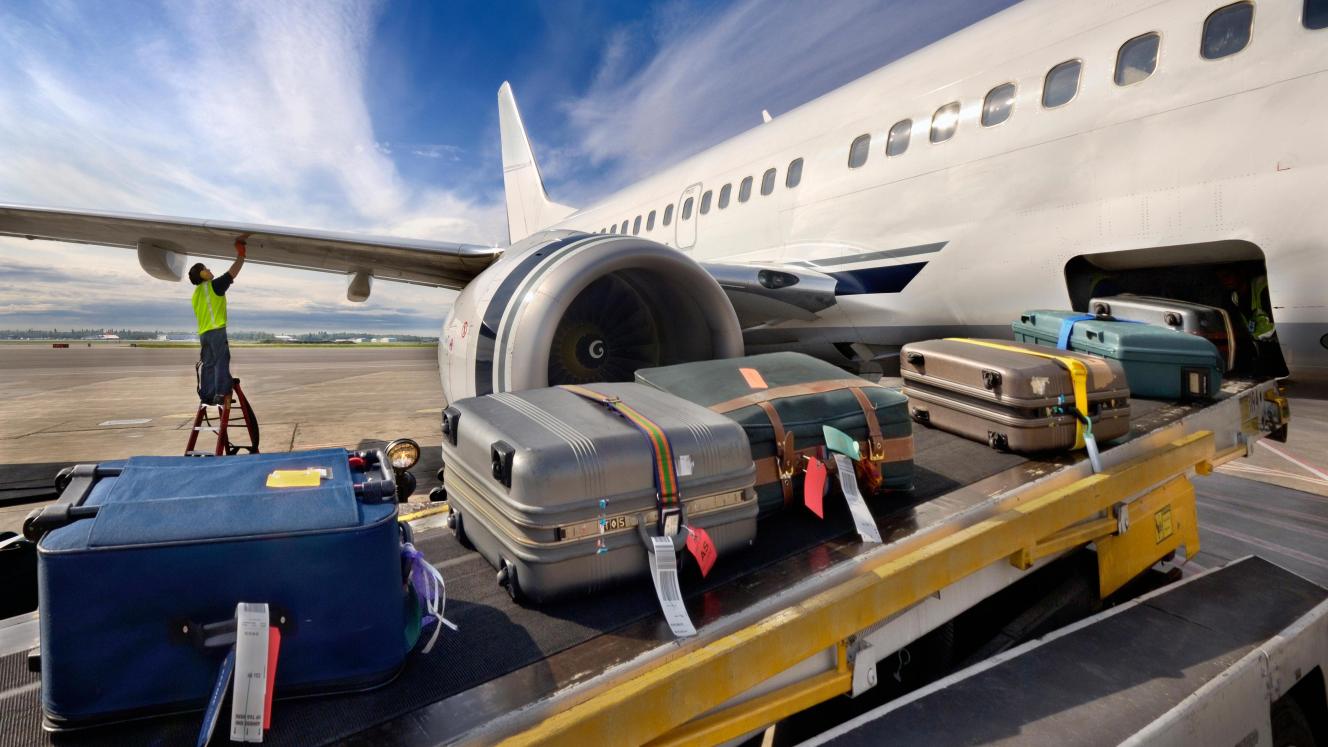
Ageing baggage-handling and sortation infrastructure at ACSA airports is having a negative impact on passenger experience and airline operations.
According to Kirby Gordon, Chief Marketing Officer of FlySafair, baggage sortation challenges have been ongoing at South African airports for some time.
“We understand the challenges to be fairly holistic, affecting different parts of the baggage-handling process. However, a significant portion of the infrastructure is located in the basement and back-of-house areas of the terminals, where many of the problems tend to arise.”
He noted that investment in ACSA’s airport’s baggage-handling infrastructure had also been the subject of litigation between ACSA and Aviation Co-ordination Services (ACS), which has delayed maintenance progress.
In May 2025, ACSA lost an appeal against a November 2024 court decision that prevented it from taking control over hold baggage screening at OR Tambo and King Shaka airports. The court ruled that ACS was mandated to procure and service hold baggage screening services, as reported by Travel News.
Poor passenger experience
Gordon reported that the airline and its passengers had faced persistent issues with baggage handling at the airports, resulting in delayed and damaged baggage as well as delayed flight operations.
“One of the challenges is baggage failing to make it on to the intended flight. This can happen for several reasons, including baggage tags becoming detached, bags being misdirected, system delays or difficulties with manual handling when the systems break down mechanically,” said Gordon.
As a result, passengers may arrive at their destination without their luggage, after which the airline must trace the bag and arrange for it to be forwarded or delivered to the customer at the airline’s expense and the customer’s inconvenience.
“The second, and potentially more frustrating, issue is damage to baggage,” said Gordon.
“Ageing infrastructure can contribute to this in several ways. Conveyor belts may no longer align as they should, belt surfaces can become worn and more prone to snagging luggage, and inadequate arrestor curtains can allow bags to fall or move through the system with excessive force. This can result in rips, tears, punctures and damage to wheels or handles,” he said.
Slower turnaround times
Baggage system delays can also place significant pressure on aircraft turnarounds, reported FlySafair
“FlySafair operates according to tightly managed turnaround schedules, and baggage must be sorted, transported and loaded within those timeframes. Where bags arrive late at the aircraft, the airline faces a difficult operational decision: delay the flight to accommodate them or depart on time and arrange for delayed baggage to follow. Neither outcome is ideal, and widespread or repeated system problems can ultimately affect on-time performance,” said Gordon.
Industry sources revealed that, in the past, certain airports were required to revise their advertised minimum connection times for airlines to prevent baggage from missing connections with onward flights.
Gordon explained that, from the passenger’s perspective, airlines are held responsible for these inconveniences as their baggage is considered to be part of the airline journey, even where the underlying cause lies with shared airport infrastructure or a third-party service provider.
“We therefore remain responsible for managing the customer relationship, tracing and delivering delayed luggage, processing damage claims where appropriate and keeping affected passengers informed,” said Gordon.
“We continue to engage with the relevant airport stakeholders and service providers to raise recurring concerns and seek practical improvements. Ultimately, reliable baggage-handling infrastructure is essential both to an efficient airline operation and to a positive passenger experience.”
Travel News did not receive comment from ACSA by the time of publishing.