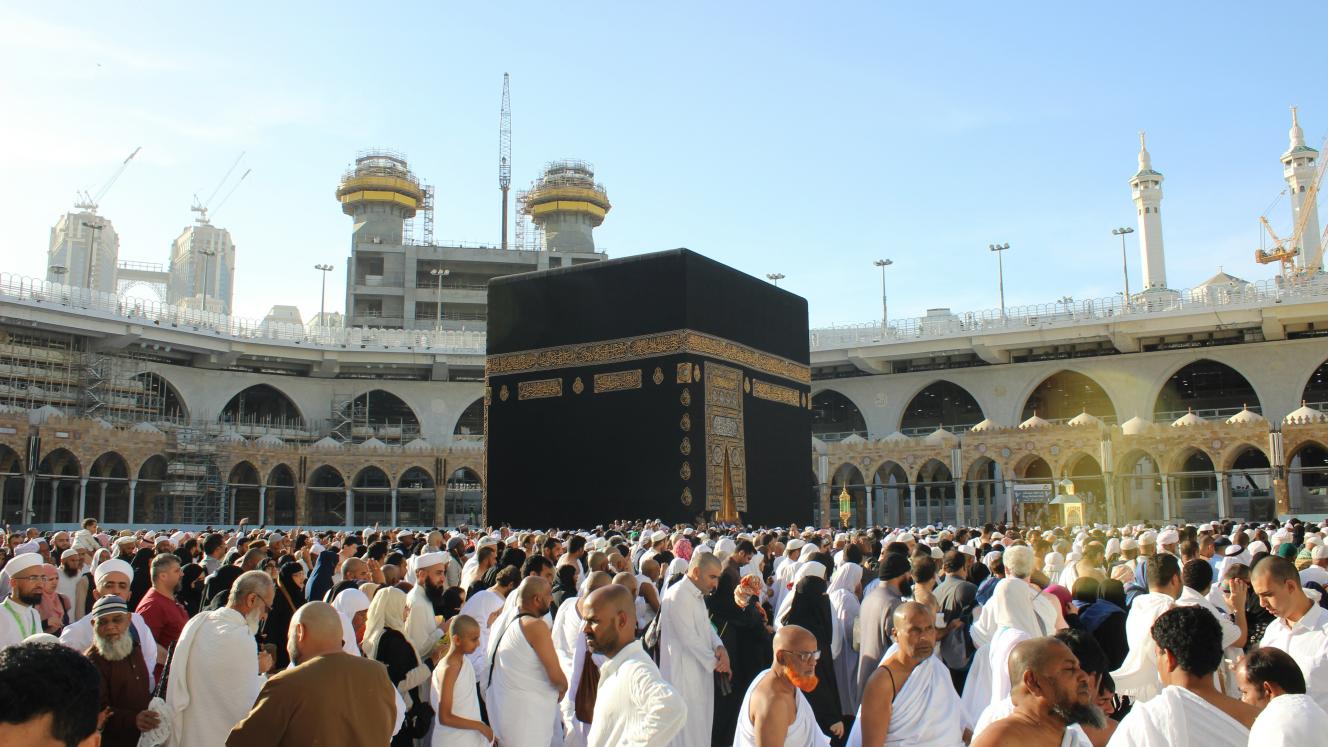
Pilgrims travelling to Saudi Arabia amid ongoing geopolitical conflict in the region remain resilient and optimistic ahead of the upcoming Hajj season in May.
Despite continued disruption, Irshad Malek, Director of TWF Hajj South Africa, said pilgrimage travel to Saudi Arabia had proved more resilient than leisure travel to other Middle East destinations.
“We did manage to salvage about 70-80% of our traffic going to the Middle East and Saudi Arabia and it was particularly pilgrimages to Saudi Arabia. While, we did have about 30% cancellations for pilgrimage traffic, leisure travel to the tourist destinations, such as Dubai and Abu Dhabi, saw a higher number of cancellations,” said Malek.
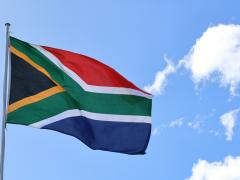
Sedick Steenkamp, Director of Al Safir Tourism and Chairman of the South African Muslim Travel Operators Association, said South Africa’s initial allocation of 1 140 Hajj quota places had almost immediately been taken up during the first phase of sales on the Nusuk Hajj platform in February.
“In the second phase of sales, even more Hajj pilgrim places were sold to South Africans, which will see about 1 500 pilgrims embark on Hajj this year,” said Steenkamp.
‘All systems go’ for Hajj
Despite the geopolitical tensions, Saudi Arabia-based airline, hotel and tour operator suppliers distributing via Nusuk have confirmed that travel arrangements remain on track for the Hajj season.
“As of March 13, the service providers on Nusuk, which are the principal suppliers for South African pilgrims in Saudi Arabia, have assured that all systems are go,” said Malek.
He added that this aligned with notices provided by Hajj-accredited airline providers, including Qatar Airways and Emirates, confirming the resumption of scheduled operations to and from South Africa.
“We have communicated with the airlines’ local representatives and the service providers based in the Kingdom of Saudi Arabia, and they are ready to welcome the pilgrims of South Africa,” said Malek.
Nusuk helps mitigate disruption
While Nusuk’s entrance into the South African market was met with uncertainty by Hajj agent specialists last year, Steenkamp explained that it had helped reduce disruption risks by ensuring travellers booked complete packages in advance.
“With the new Nusuk system, pilgrims had to book a whole package at once, including their flights. So, by the time the disruptions had started, all those travel arrangements were made and paid for, from flights to hotels and tours,” said Steenkamp.
“That is the beauty of this new system. We are not having to rush to help pilgrims because they booked everything at the last minute and the airlines and other accredited suppliers are obligated to assist with disruptions.”
Education is key
While pilgrims continue to approach agents for advice on managing potential disruptions ahead of Hajj, Steenkamp said agents were largely focused on helping travellers understand how the Nusuk system worked.
“Later this month, we will have a conference and training sessions to inform pilgrims and agents on how to navigate the new system and show them what to expect on their pilgrimage.
“We hope that when the first pilgrims leave in the first week of May that everything will run smoothly and the war will be subsiding.”