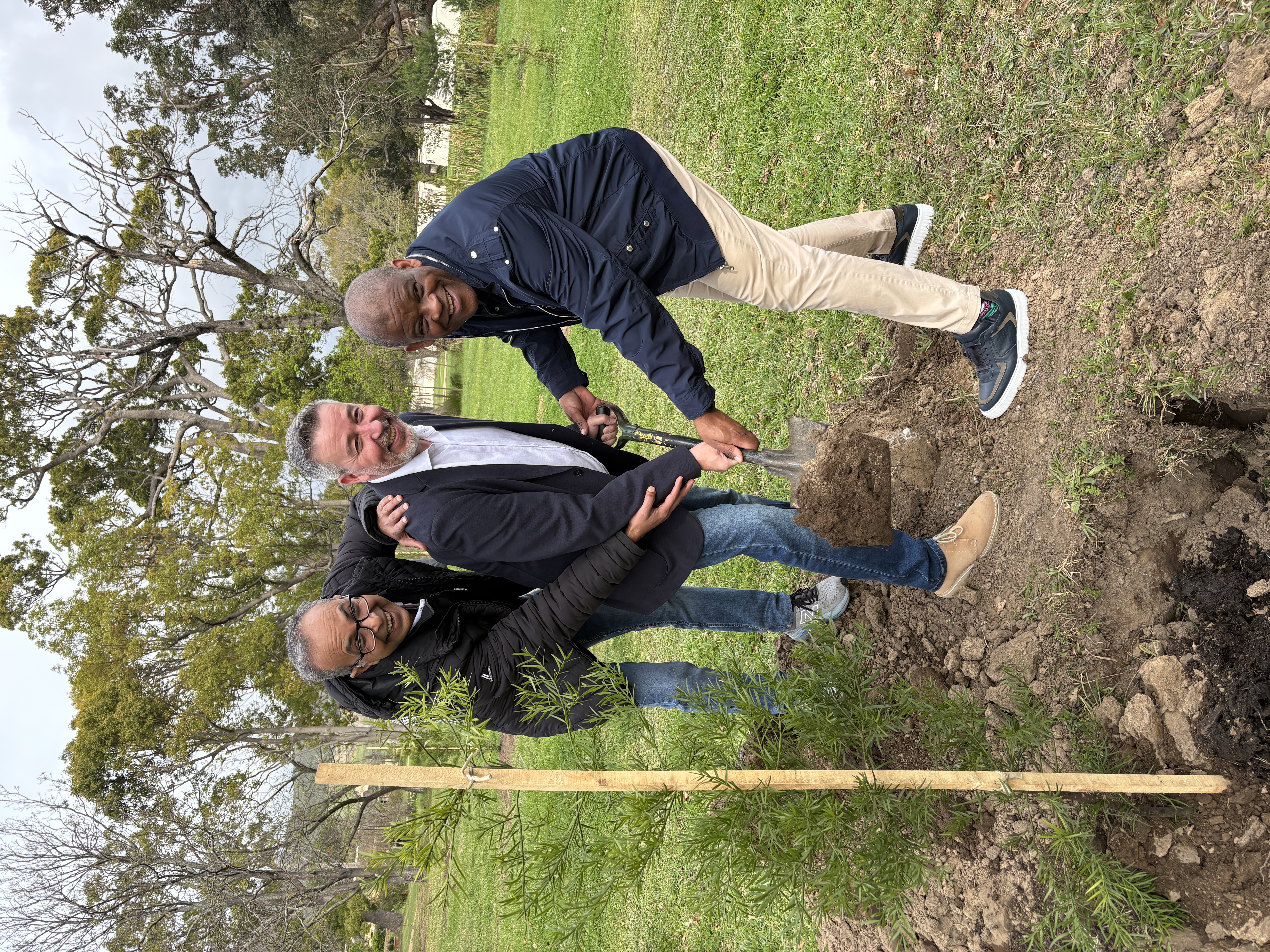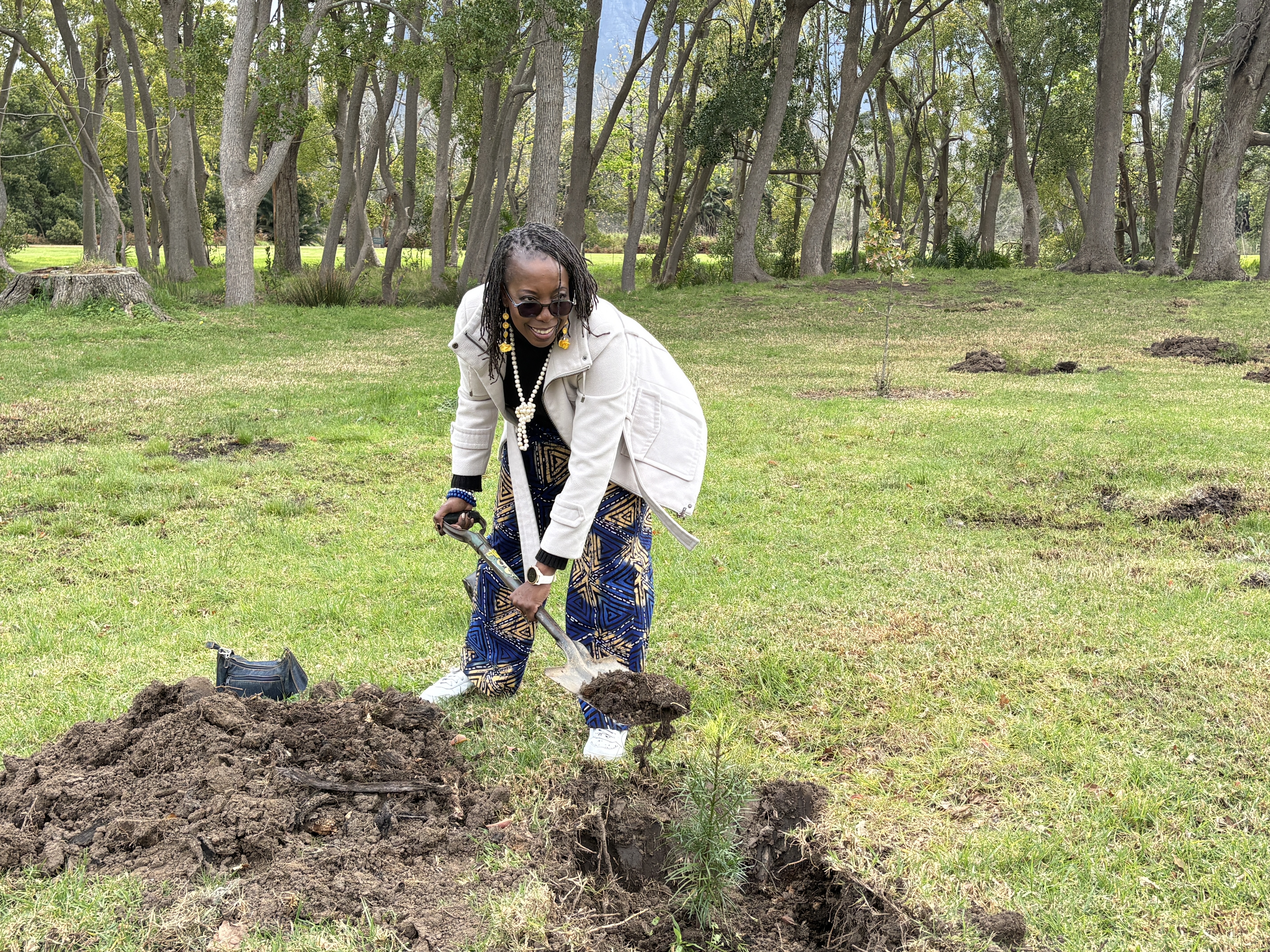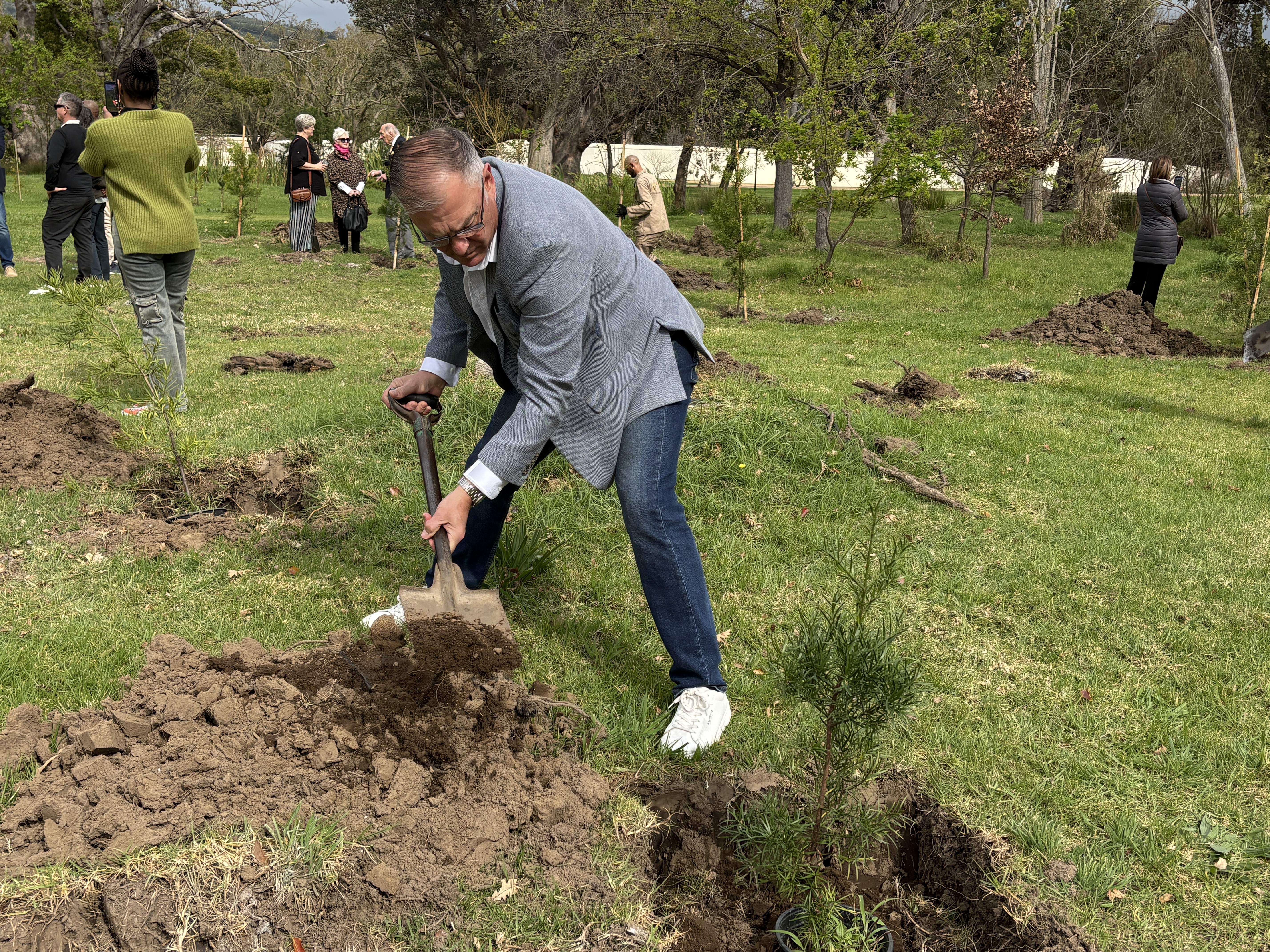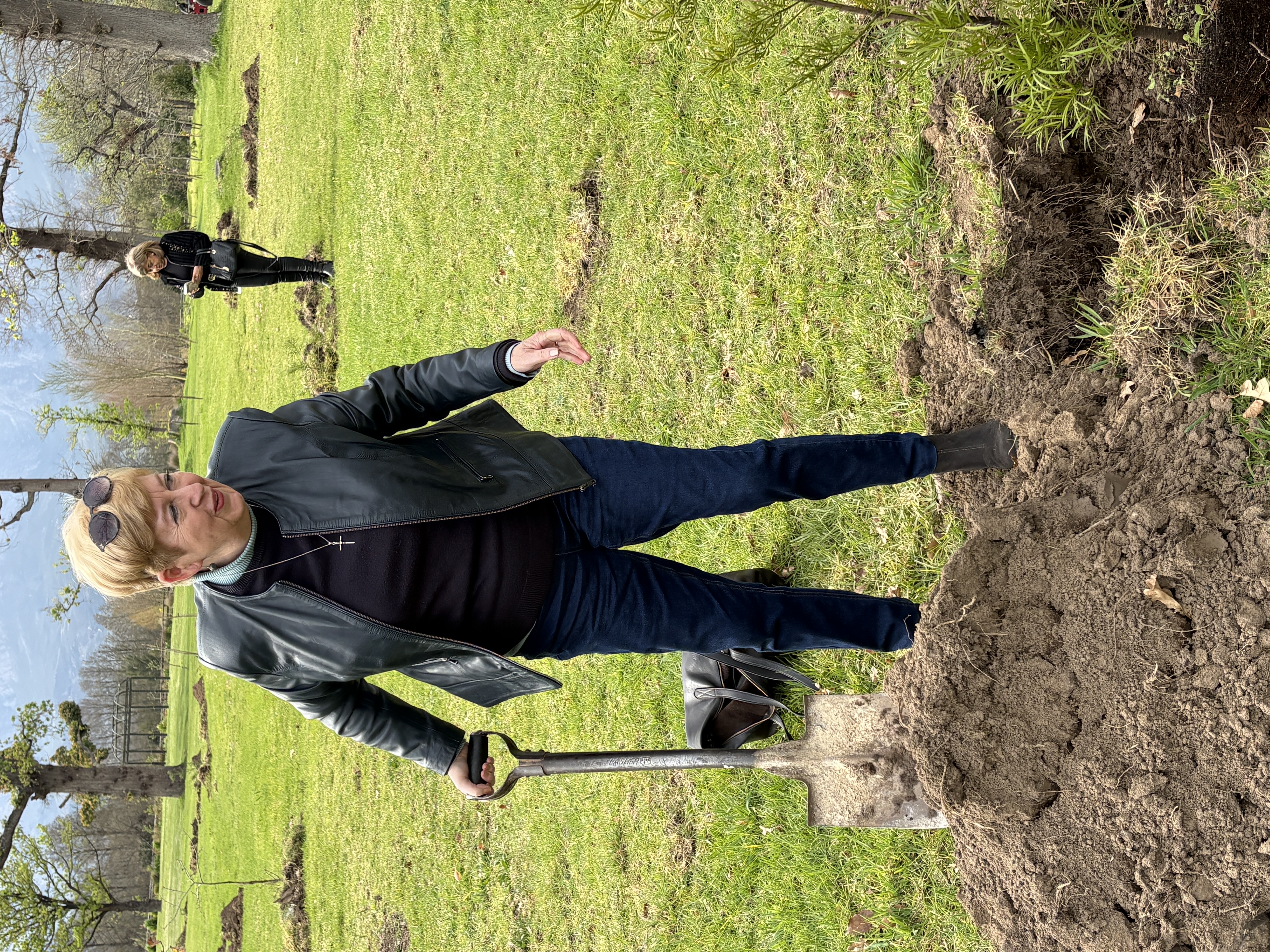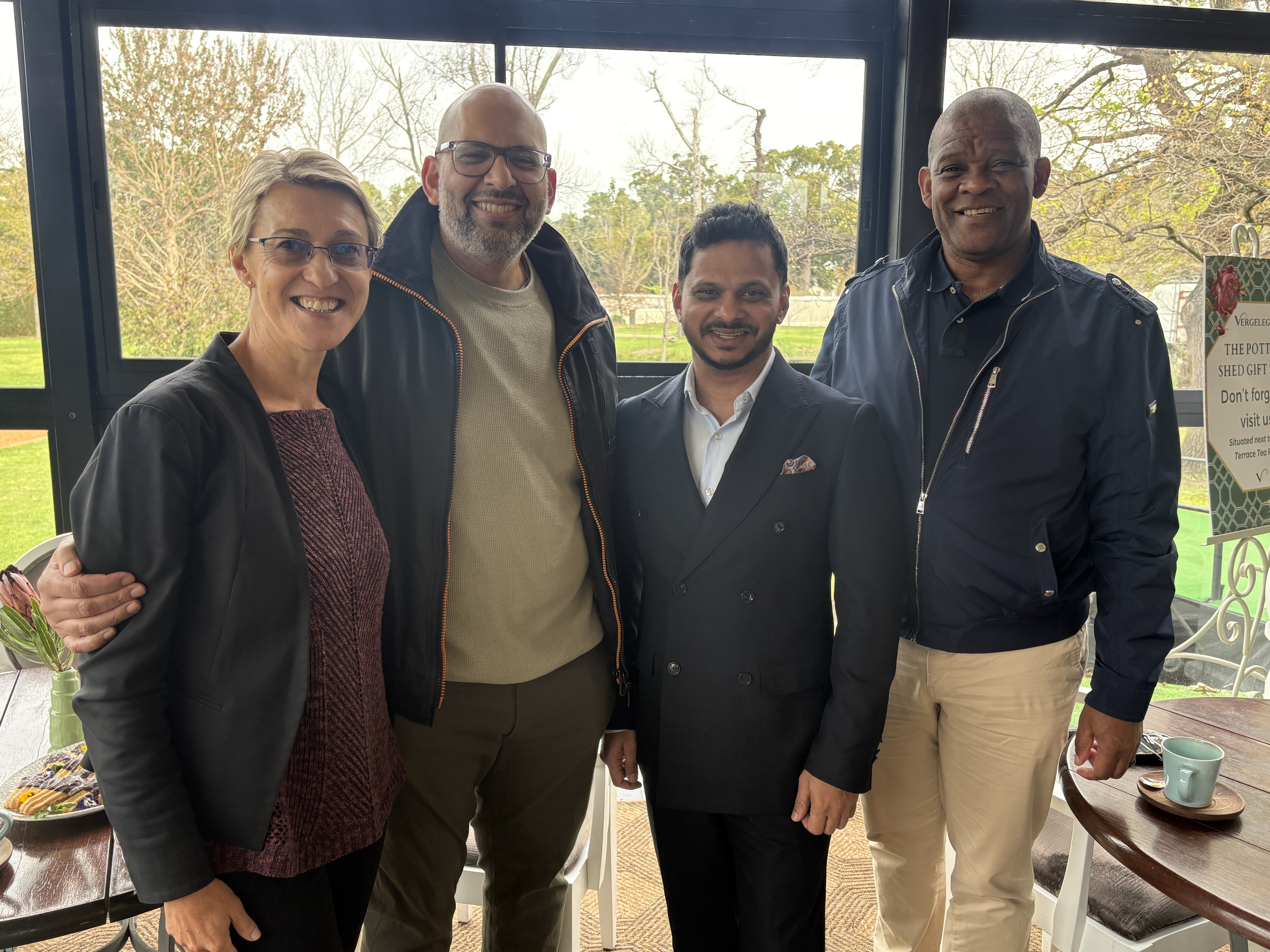
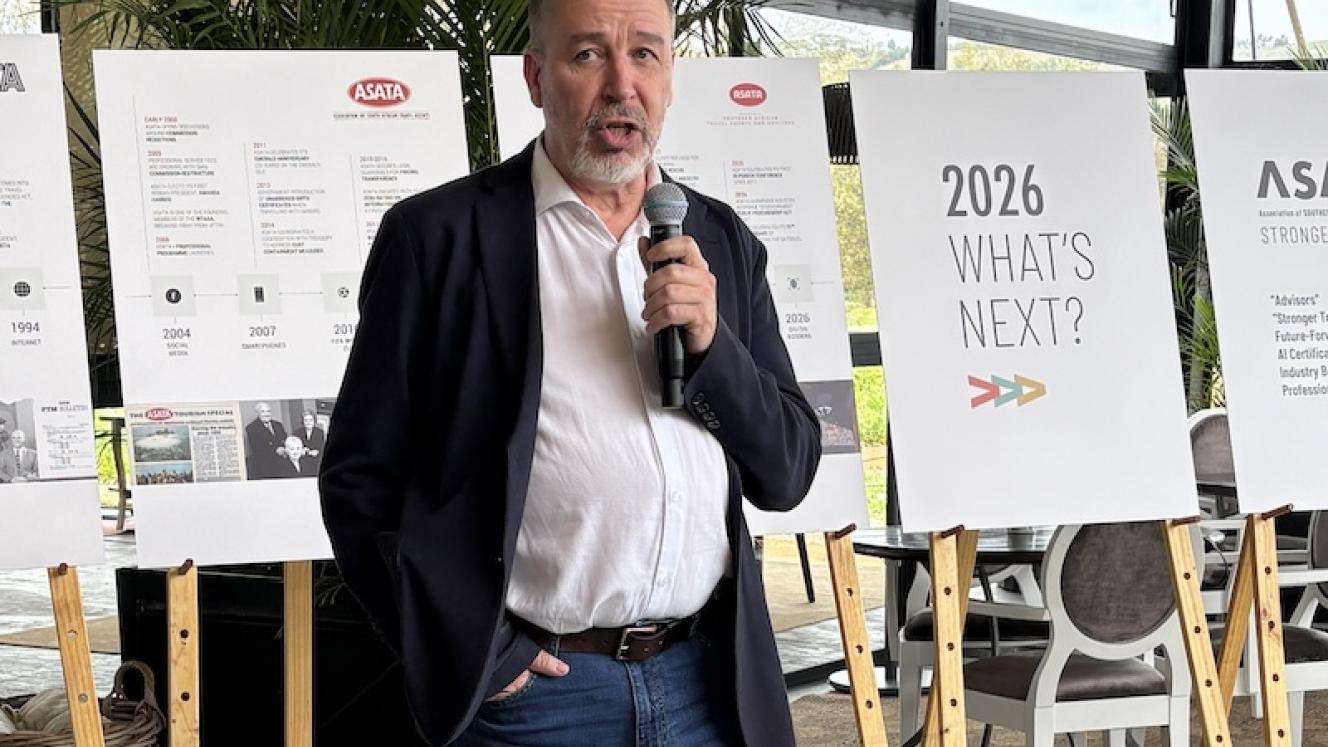
Members of the travel industry gathered for a special celebration to mark ASATA’s 70th anniversary at Vergelegen Wine Estate in the Western Cape.
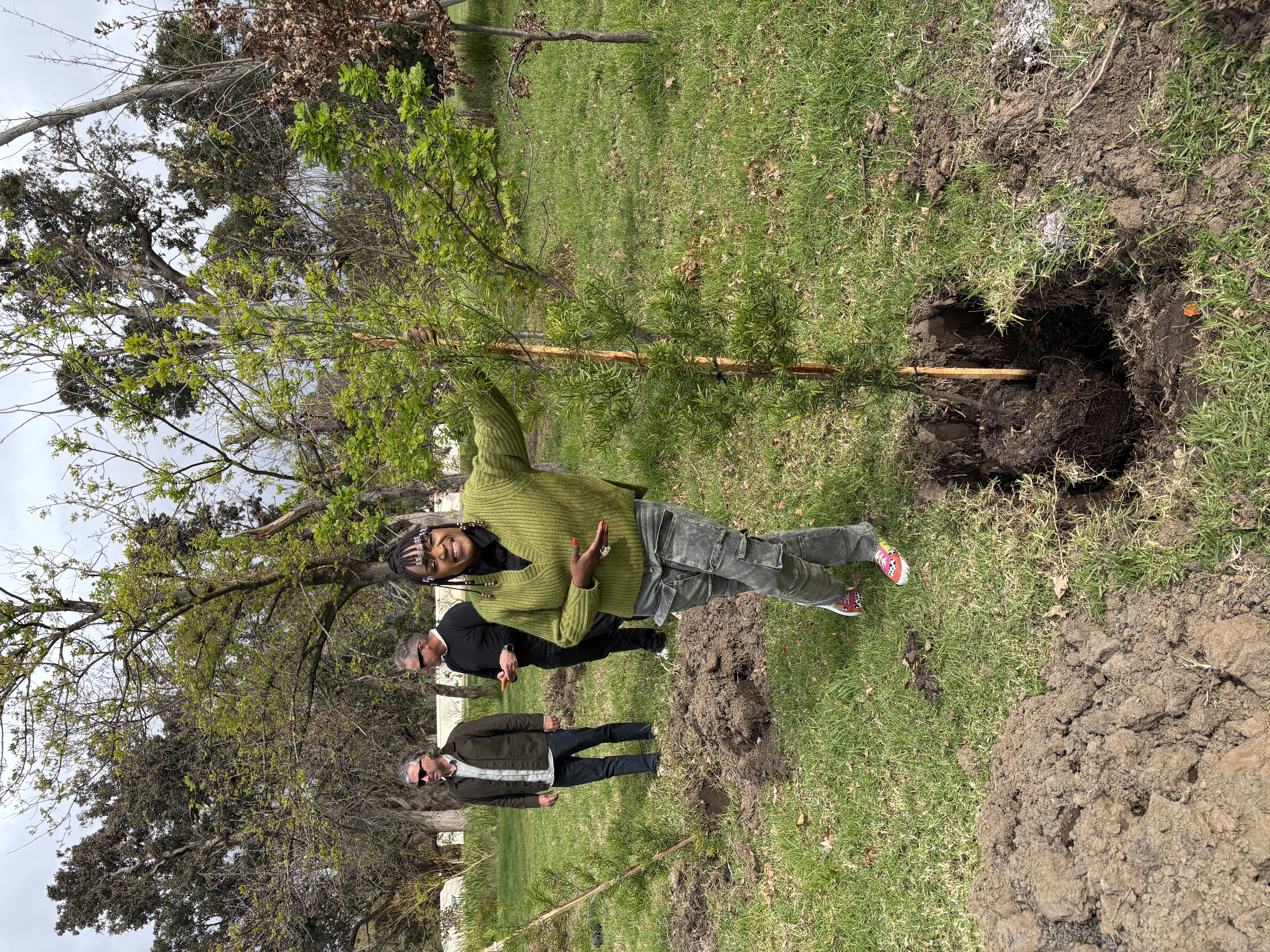
The anniversary celebrations began with a tree-planting ceremony, which saw the establishment of the ASATA 70 Legacy Grove – a forest of 150 yellowwood trees sponsored by ASATA members.
The initiative was undertaken in partnership with Sigma International’s Green Lung Sustainability Initiative. ASATA CEO Otto de Vries said it provided an opportunity for the industry to leave a lasting legacy as the association marked seven decades.
“The support has been staggering. We can confirm that as of today we have 150 sponsored trees. And I think it’s safe to say that our grove is now a forest,” he said.
The ceremony formed part of a wider celebration of ASATA’s history and the changes that have shaped both the association and the travel industry over the past seven decades.
“I don’t believe organisations remain relevant simply because they’ve existed for a long time. They remain relevant because they continue to evolve and solve the problems that matter. And because they continue to create value.”
ASATA was founded on September 4, 1956, following discussions between a group of Johannesburg travel agents that began the previous year.
Its mandate has evolved considerably since then. While early activities included negotiating commission structures with hoteliers, railways and other suppliers, De Vries said ASATA today operates in a substantially more complex regulatory environment, with its role focused on areas such as supporting member compliance, education and industry self-regulation.
The 70th anniversary also marked another evolution for the organisation, with ASATA formally adopting the name Association of Southern African Travel Advisors, replacing Association of Southern African Travel Agents.
De Vries said the change had been five years in the making and reflected the role members now perform.
“Not agents of suppliers, but trusted advisors to travelling consumers who rely on us to ensure that every aspect of their journey is not only bought, but managed and serviced with care.”
He said the anniversary initiatives reflected an association continuing to change with its industry.
“ASATA is not standing still. We are evolving, because relevance requires evolution.”
Looking to the next generation
Former ASATA CEO Vanya Lessing, who took over as CEO in 2001, recalled the upheaval of the early 2000s as the industry’s traditional commission-based business model came to an end.
“You can imagine the absolute shock and indignation that happened when our world began to change,” she said. “We went there, we did it, we survived, and we are much, much better for it. But what we must remember is that the map of the past cannot be the map of the future.”
Picking up on the tree-planting theme, Lessing said ASATA’s next chapter needed to focus on developing the next generation of travel professionals.
“For 70 years, ASATA has been the sturdy tree with very, very deep roots. But a tree, even with deep roots, has to find new pastures, and has to spread its canopy.”
She said this meant giving younger people more than simply “a seat at the table”.
“At some given point, each one of us has to hand over the keys, because they will be the architects of the future and what this industry will look like.”
A resilient industry
Former ASATA CEO Robyn Christie also spoke, noting that ASATA was established in 1956 during a vastly different political and social era. She said its founders had shown considerable courage in recognising the need for an association that could help guide the industry into the future.
Since then, she added, the industry has navigated South Africa’s political transformation, the arrival of GDSs and new technology, Y2K, 9/11, health crises, the 2008 global financial crisis and, ultimately, Covid-19.
Christie said this history was particularly relevant as the industry now grappled with another major technological shift – AI.
“While we cry about AI and what it’s going to do [to] the industry, I say look at the events that have played before us over the last 70 years. It’s never been an easy industry,” she said.
“It is affected by every event. Geopolitical, health, Ebola, technology. You can be sure there’s going to be a crisis that will hit the travel industry.”
Despite this, Christie said the sector had repeatedly demonstrated its ability to rebound.
“The ability to survive for me is the most exciting thing. It’s exciting for me to think that the industry has withstood this test of time.”
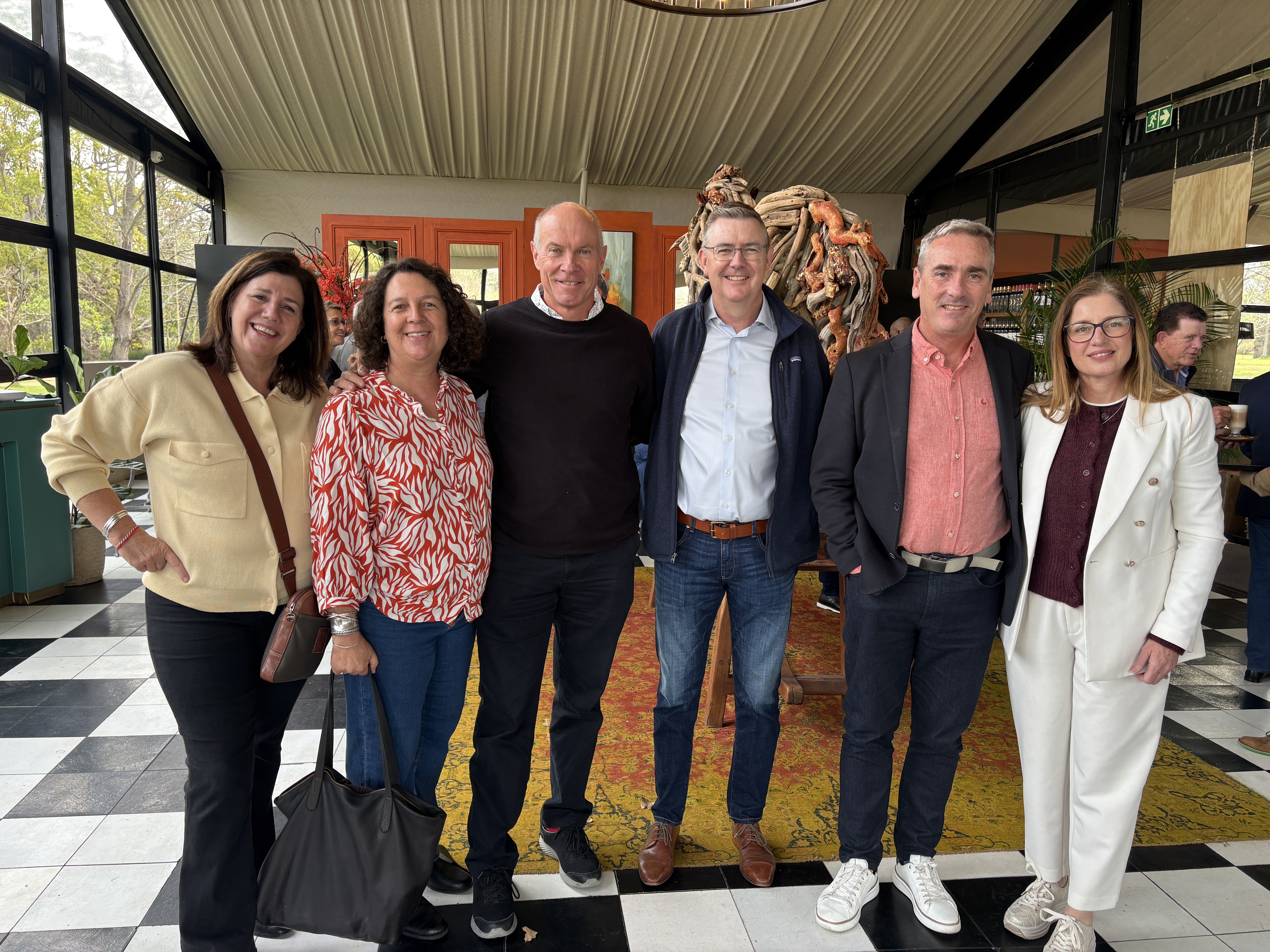
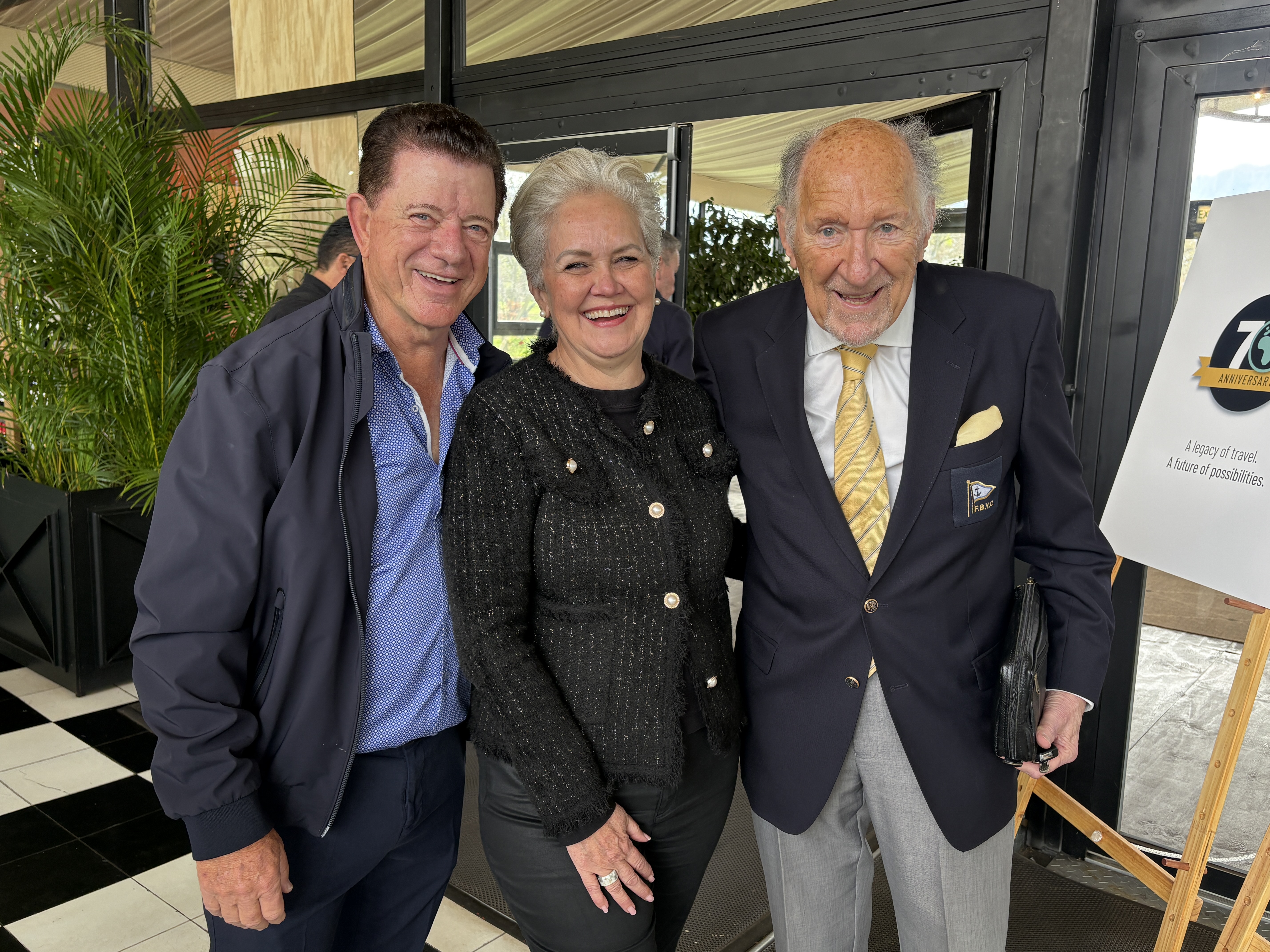
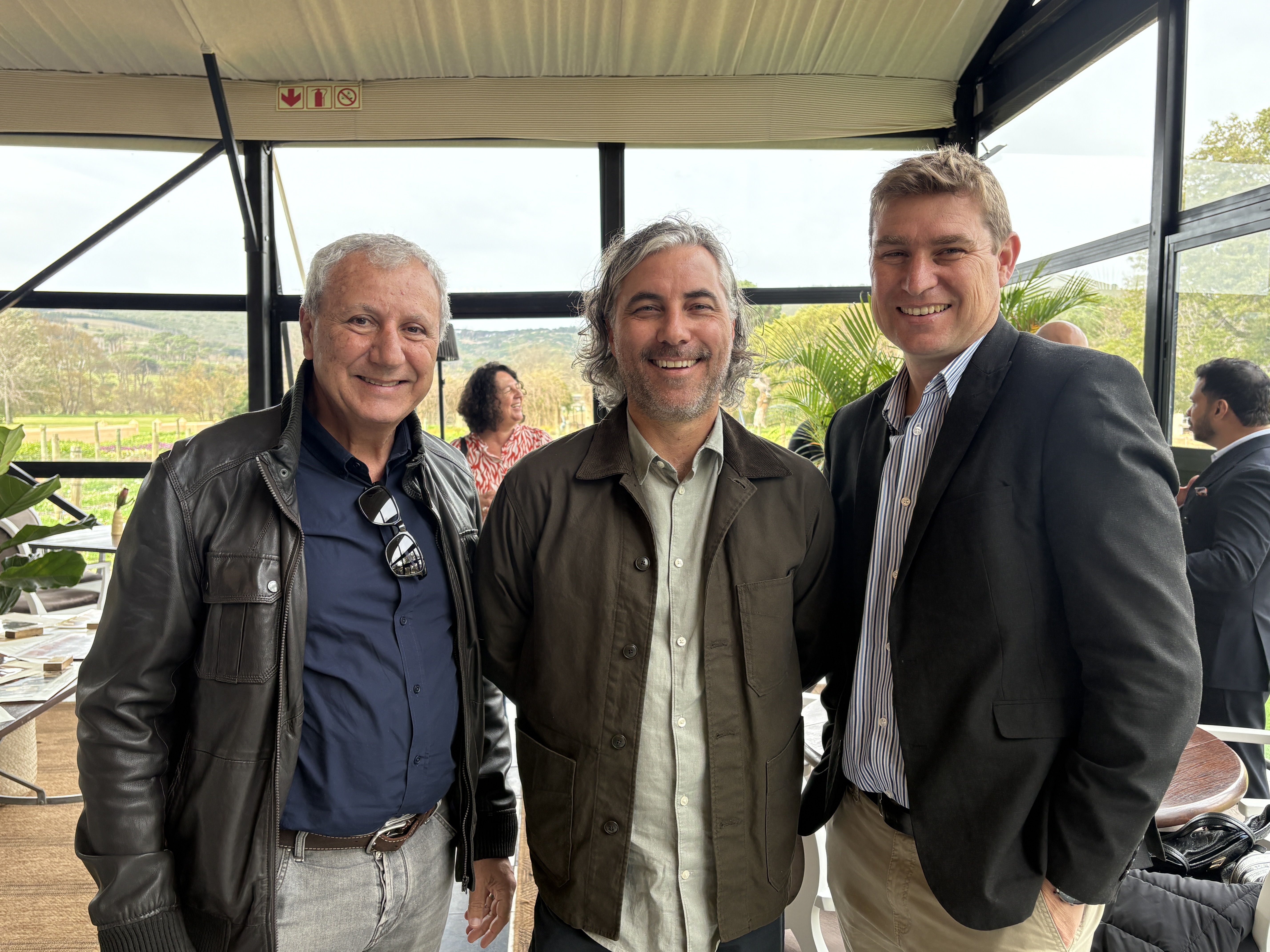
See some photos from the event below.