Airline associations have welcomed ACSA’s plans to invest in airport infrastructure but say that funding of these projects must be balanced against the already-high cost pressures facing carriers.
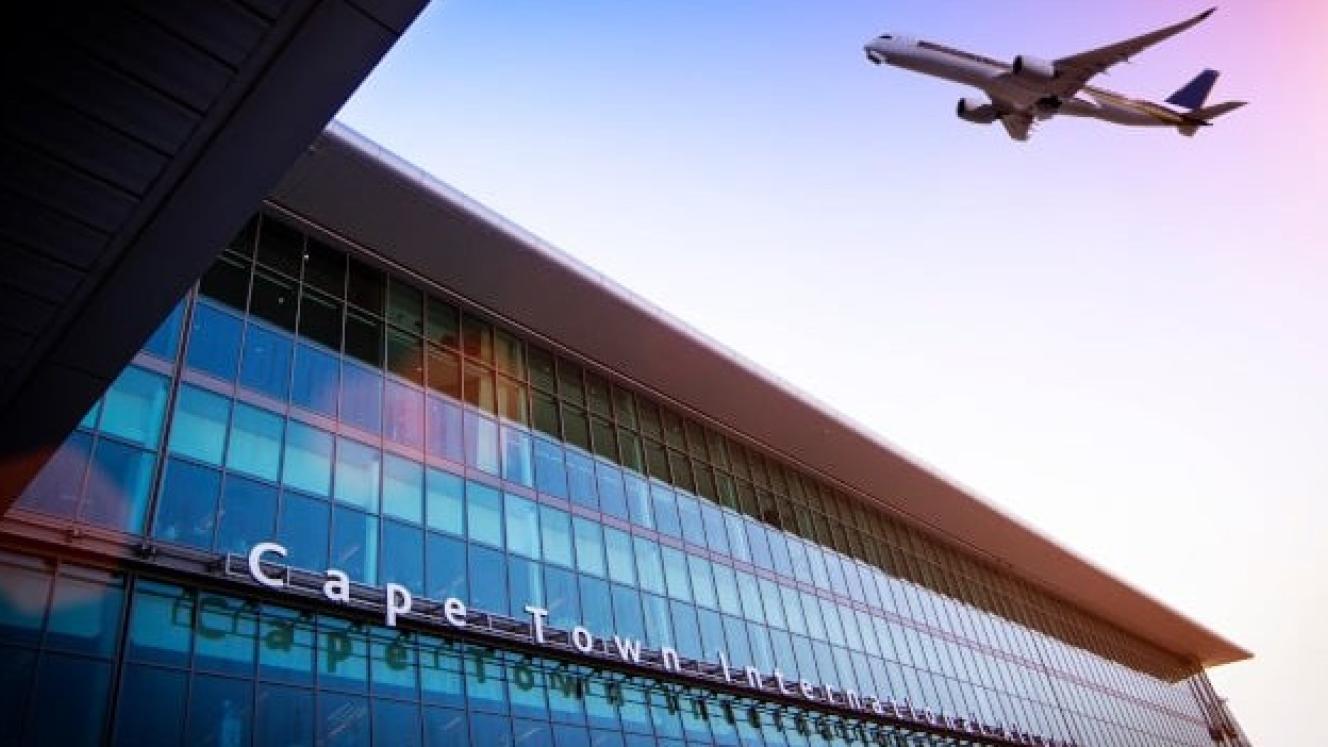
Aaron Munesti, CEO of the Airlines Association of Southern Africa (AASA), said many of the projects announced by ACSA were long overdue, including the runway realignment and terminal expansion at Cape Town International Airport, which was deferred during the pandemic.
He said ACSA’s decision to reinvest airline-generated revenue into much-needed infrastructure was a positive step but pointed to the disparity between ACSA’s financial position and the cost pressures facing airlines.
“One cannot help notice that ACSA is in rude financial health while African airlines face severe cost challenges. As long as input costs do not rise sharply again, airlines are likely to achieve a collective 0,2% nett profit margin per passenger.”
The contrast is particularly notable given that passenger service charges and landing fees were among ACSA’s largest sources of aeronautical revenue for in its latest financial year. Higher airport tariffs could help fund infrastructure projects, but any increase would need to be justified.
George Mothema, CEO of BARSA, said: “Whether the benefits would justify higher airport charges would need to be considered on a project-by-project basis. BARSA would support a transparent process that clearly sets out the priorities, costs, implementation timelines and expected benefits.”
Balancing investment and costs
He said it would be important to achieve an appropriate balance between the need to invest in airport infrastructure and the continued affordability and competitiveness of South Africa’s aviation sector.
“Airport charges can influence airfares and passenger demand. It is therefore important that any cost adjustments to fund infrastructure take account of the broader operating environment and South Africa’s ability to remain competitive,” said Mothema.
Munetsi warned that higher user charges were usually passed on to customers, particularly when rising fuel prices were already pushing up airfares.
“With the jump in fuel prices leading to higher ticket prices, there is limited elasticity in each market. Any other increases, including airport user charges, would be detrimental. As things currently stand, we have no reason to believe ACSA is about to bite the hands that feed it.”
Ofentse Dijoe, ACSA Group Spokesperson, said the company would engage with the airlines to discuss the infrastructure requirements prior to implementation.
Regulatory process
Both associations stressed that ACSA could not unilaterally increase its tariffs and such decisions would be subject to regulatory process.
“Any adjustment to airport tariffs must follow the prescribed regulatory process and be properly motivated, assessed and approved by the Regulating Committee. Should tariff adjustments form part of the proposed funding model, the application needs to demonstrate this,” said Mothema.
According to Dijoe, the tariffs are determined for a period of five years and are dependent on traffic forecasts, anticipated capital expenditure, and the level of appropriate returns required by providers of capital.
Munetsi said South Africa, unlike many other African countries, no longer allowed state infrastructure service providers to fund their projects by charging users for facilities and services that would only become available in the future, or that they might never use.
“This compels aviation infrastructure service providers to go to the commercial lending markets to raise finance, just as any other investor in a commercial property would do.”
ACSA says its infrastructure programme will be funded using cash generated internally and will raise debt in the debt capital markets and from other lenders, Development Finance Institutions, and banks.
Mothema added that aeronautical revenue, including passenger service charges and landing fees, would form part of ACSA’s overall revenue base, together with non-aeronautical income from retail, parking, property and other commercial activities.
“This would assist in ensuring that the infrastructure programme remains both financially sustainable and affordable for airport users.”