Passenger traffic across ACSA’s airports has recovered to 98% of pre-COVID levels, with international and regional traffic now exceeding or matching pre-pandemic volumes.
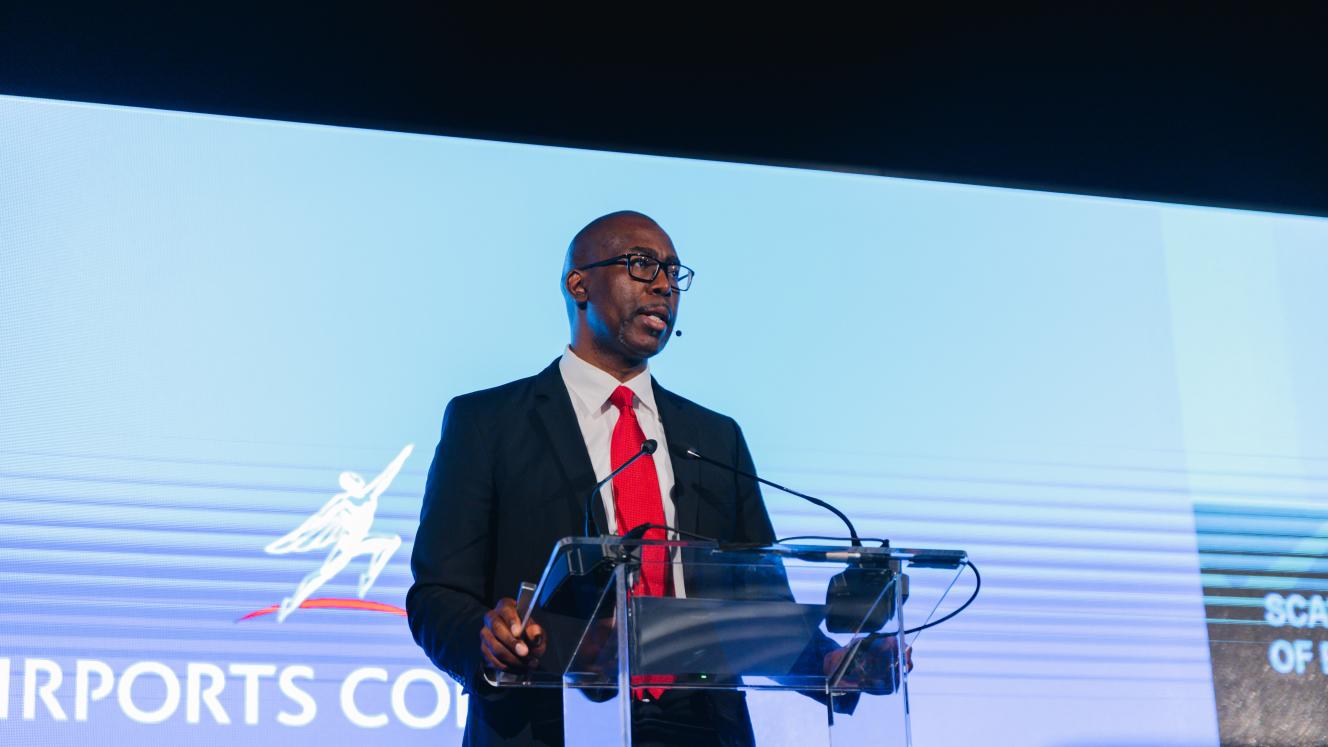
ACSA handled 20,6 million departing passengers in the financial year ending March 31, up 8,5% on the previous year, Acting CEO Charles Shilowa said during the presentation of ACSA’s annual results.
Regional traffic reached 104% of pre-COVID levels, while international traffic recovered to 100%. Domestic traffic remains slightly behind at 97%.
ACSA CFO Luzuko Mbotya said the pace of domestic recovery remained closely linked to the performance of the South African economy.
“Over the last 12 months, we had moderate GDP growth of about 1,1%. We continue to struggle with unemployment, and those are all the push factors that really squeeze our domestic travel. We are hoping that as we go forward and the GDP picks up, we will start to see an increase in our domestic traffic as well,” said Mbotya.
The increase in traffic strengthened ACSA’s aeronautical revenue, with passenger and landing fees generating R4,7bn, up from R4,1bn the previous year.
Overall revenue reached R8,8bn, while profit before tax increased to R1,9bn from R1,8bn in the previous financial year. Profit after tax rose to R1,2bn from R1,1bn, marking ACSA’s third consecutive profitable year since the pandemic.
Three airports drive growth
Passenger growth remains heavily concentrated at ACSA’s three largest airports – OR Tambo International, Cape Town International and King Shaka International – which account for about 90% of passenger traffic.
OR Tambo accounted for 48,8% of passengers, followed by Cape Town International at 27,6% and King Shaka at 13,7%.
Increased passenger numbers are placing pressure on infrastructure, particularly at Cape Town International Airport. The airport is experiencing the most visible peak-period pressure, with terminal congestion and limited slot availability becoming a challenge.
“There’s a congestion problem which will be addressed by the new domestic arrivals terminal that we are planning, and also the international terminal upgrade that will come through,” said Shilowa.
“Considering that the implementation of new domestic arrivals and international terminal upgrade will take some time, there are short-term measures that we are working on to try and release congestion,” said Shilowa.
He said these measures would not eliminate congestion entirely but should improve the passenger experience in the interim.
“Even though the congestion will still be there, the facilitation of passengers on both domestic and international will start to ease.”