CORPORATE travellers
are cutting back on
travel to West Africa, as
the Ebola virus continues to
spread in the region, despite
assurances from the World
Health Organisation and Iata
that the risk of contracting
the disease while travelling is
extremely low.
Charleen Shearer, coo of
Tourvest Travel Services, says
the implications for corporate
travel to West Africa are dire,
with corporates currently only
travelling if it is absolutely
critical for business. This
could eventually lead to a
total ban on travel to Ebolaaffected
countries, says
Charleen, with video and
telephone conferencing being
the only option.
She adds that, besides
the risk of contracting the
deadly disease, travel during
this stage of the outbreak
is unwise as it could lead
to major travel delays and
inconveniences. “Any sign
of a fever will be treated
with extreme suspicion by
immigration authorities
and may lead to serious
inconvenience.”
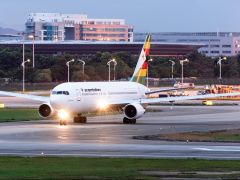
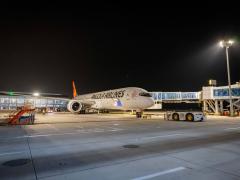
Both British Airways and
Emirates have suspended
their flights to West Africa.
Emirates has halted services
to Guinea. British Airways
followed suit, suspending
flights to Liberia and Sierra
Leone until August 31. BA
customers on these routes
can get a full refund for their
tickets or rebook flights for
a later date. West African
carriers, Asky and Arik Air,
have suspended flights to
Liberia and Sierra Leone.
SAA has not cancelled any
flights.
Meanwhile, passengers
boarding at airports in
Liberia, Sierra Leone and
Guinea are being screened
for Ebola symptoms and
given health questionnaires.
Most airlines have also
imposed special rules
for people boarding from
affected countries. Air France
passengers must fill in a
questionnaire when entering
the airport lounge. They then
have their temperature taken
at the airport. They are only
given their boarding card if
no medical symptoms are
present.
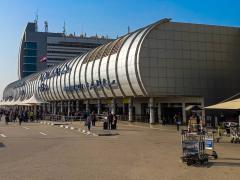
In South Africa, airports
are on high alert, with
the National Department
of Health monitoring the
situation closely. Unathi
Batyashe-Fillis, Acsa
spokesperson, told TNW:
“OR Tambo International
Airport has body temperature
sensors at its immigration
queuing points to detect any
changes in body temperature
of passengers. This
process is managed by the
Department of Health through
its Port Health Division. The
airport has a quarantine
facility in the event that
passengers are required to
be held in isolation prior to
being transferred for further
treatment.”
Rachael Penaluna,
business manager of
Sure Maritime Travel in
Port Elizabeth, says most
companies are struggling
to ensure duty of care
for their travellers. She
says the Ebola outbreak
could last for months and
companies with interests
in those countries will have
to send representatives at
some point but it is almost
impossible for companies
to ensure travellers’ safety.
“They can only advise on how
to avoid certain situations,
food – pork is a big problem
– and to read the material
that is offered and become
familiar with symptoms,” she
says.
“We are advising clients
not to travel to DRC, Gabon,
Sudan and Uganda at
the moment. We are also
advising caution when
travelling to Nigeria,” she
says.
There is no need for
companies to become swept
up in unnecessary mass
hysteria, says Monique
Swart, founder of ABTA.
“Many companies are limiting
unnecessary travel into
affected regions but for the
most part, business trips of
high importance are going
ahead as planned.”
Monique says by giving
travellers correct information
about the disease and
risks, this will alleviate many
concerns and unnecessary
fears. “The company
needs to provide as much
information, assistance
and support as possible in
order to keep their travellers
safe and fulfil their duty of
care obligations. But this
is certainly manageable,
especially with Ebola, and
does not mean that all
business travel needs to
come to a grinding halt.”
Ebola outbreak – corporate concerns grow
Comments | 0
© Now Media. This content is protected by copyright and may not be adapted or republished. If you would like to discuss cooperation opportunities, please contact: editor@travelnews.co.za.