Airlines and industry associations have welcomed Acsa’s expanded infrastructure and maintenance programme, but caution that success will depend on consistent execution and sustained investment after years of under-maintenance.
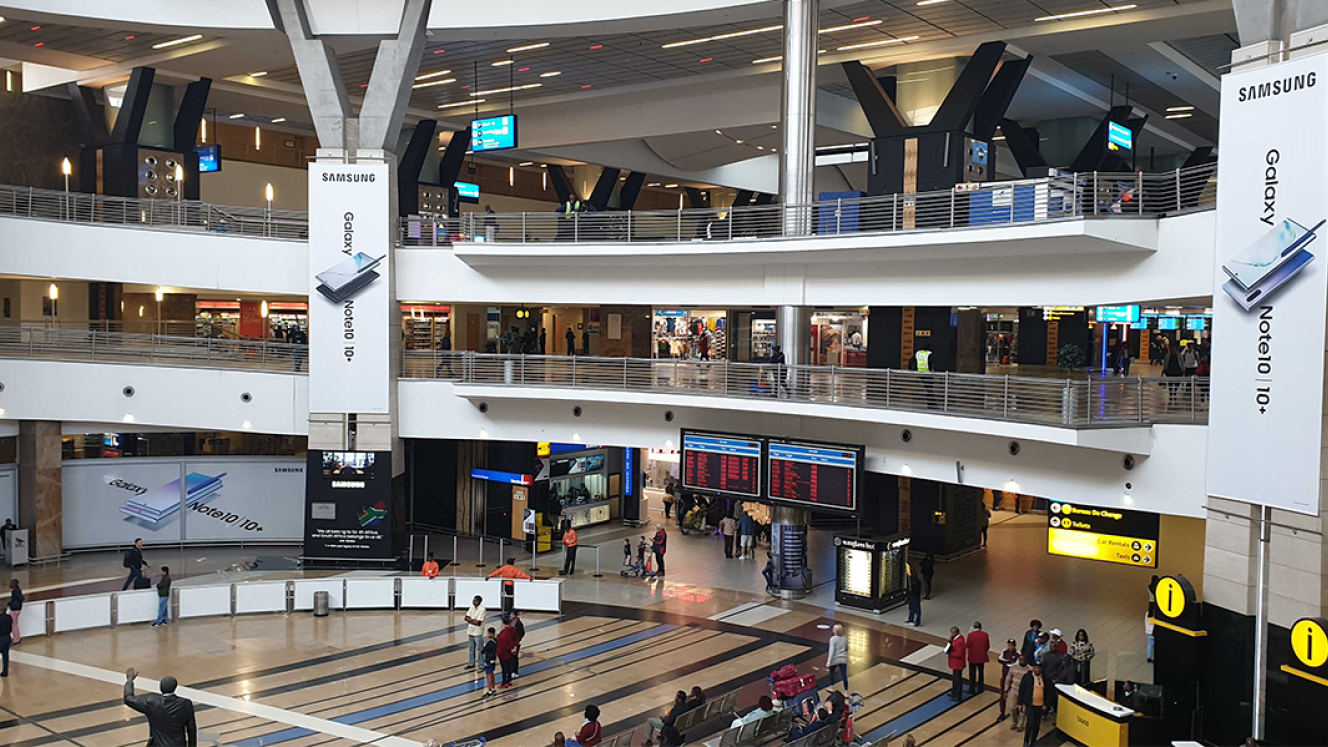
Earlier this month, Acsa provided an update on its passenger experience projects at OR Tambo International Airport (JNB), including refurbished escalators and travelators, new seating, enhanced signage and the upgraded ablution facilities.
In March 2024, Acsa secured approval for R21,7 billion in earmarked capital expenditure over five years for airport infrastructure development. Initially, the projects listed focused primarily on terminal expansions and passenger experience improvements, but growing concerns over infrastructure failures prompted a shift in priorities.
Although the passenger-facing upgrades have been welcomed, aviation industry stakeholders say they are eager to see progress on core airport infrastructure critical to the reliability and safety of airline operations. Acsa was approached for updates on these larger-scale maintenance projects, but had not responded at the time of publishing.
Last year, CEO of Acsa, Mpumi Mpofu, confirmed that R14 billion of the budget would be directed towards maintenance, refurbishment and the replacement of infrastructure at SA airports, with projects continuing and commencing into 2026.
Planned work includes the refurbishment of jet fuel infrastructure at all airports, the expansion of the fuel feeder line at JNB, a phased replacement of uninterrupted power supply units at all airports and the replacement of Instrument Landing Systems and Automated Weather Observation Systems.
“The envisaged infrastructure and equipment upgrades are the outcome of a thorough consultation process between Acsa and key industry stakeholders, comprising Airlines Association of Southern Africa (Aasa) member airlines and other entities,” explained Aaron Munetsi, CEO of Aasa.
“Airlines provided critical input during these engagements, and they rank the major projects based on their potential to deliver efficient service at affordable cost, drive long-term growth, and ensure the sustainability of South Africa's aviation ecosystem.”
Benefits to come
Stakeholders say the infrastructure and maintenance programme should strengthen operational reliability, safety and resilience across South Africa’s airports.
“Fuel redundancy and system upgrades will reduce the risk of supply disruptions, the UPS investments will support uninterrupted critical operations, and upgrades to landing and weather systems are set to improve predictability and safety,” said George Mothema, CEO of Board of Airline Representatives of South Africa (Barsa).
“Additionally, terminal and runway developments, particularly at high-traffic airports such as Cape Town International (CPT), will support more efficient aircraft turnaround and passenger flows.”
Munetsi added that the combination of modernised runways, expanded terminal facilities and upgraded air traffic management systems would enable airlines to reduce delays and ensure quick turnaround times, lowering their operational costs.
Catch-up mode
Despite broad support for the programme, airlines stress that much of the work reflects delayed maintenance.
“Improvements to power resilience, fuel infrastructure, fire systems, navigation aids and weather monitoring are critical. These are non-negotiable foundations of safe and reliable aviation operations and it is encouraging to see focused investment in these core areas. However, much of the work currently under way addresses systems and assets that have either been subject to insufficient maintenance over time, have reached the end of their useful lives or are no longer suited to the scale and complexity of modern airline operations,” Kirby Gordon, Chief Marketing Officer of FlySafair, told Travel News.
Gordon explained that, due to the backlog in maintenance, Acsa had had to commit to a large concurrent wave of investment and multiple complex projects rather than incremental investments into a more consistent programme of ongoing maintenance and improvements.
Need for future consistency
The airlines and associations all called for more reliable and consistent infrastructure and maintenance to support their operations and see South African aviation flourish.
"Aviation infrastructure decay and failure among our service providers, causes economic and reputational harm to the country, airlines and their customers. With this in mind, Airlink cautiously welcomes Acsa’s most recent announcement to enhance passenger experience infrastructure. However, it is essential to ensure these projects are all delivered on time, within budget, with strong governance and oversight and that they improve operators' efficiency and the user-experiences for airlines and their customers,” Airlink CEO, de Villiers Engelbrecht told Travel News.
Mothema explained that realisation of the full benefits of this maintenance programme was dependent on the successful implementation of all the different projects. He argued that failures in any single area of focus, be it fuel, power or navigation, could cause immediate, widespread disruption for airlines and passengers.
Gordon added: “The current investment programme is an important and overdue step in strengthening the backbone of South Africa’s airport network. It lays the groundwork for future progress, but there remains a broader horizon of modernisation that will need to be addressed over time, and we need to see a commitment to a continuous maintenance and improvement progress, with the required investment, to avoid getting to this point again where we have to do a massive catch-up.”