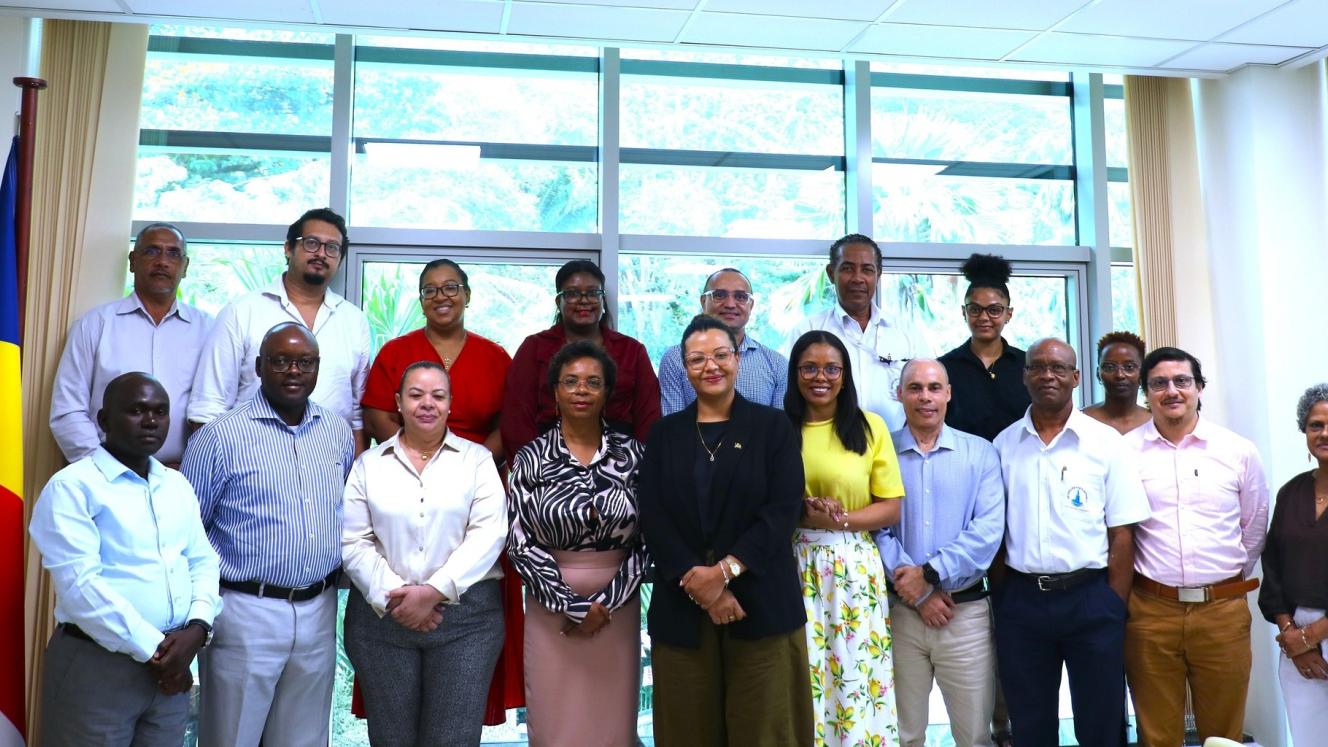
Tourism Seychelles, in partnership with the United Nations Economic Commission for Africa (UNECA), has handed over the findings of its two-year cost-benefit analysis and stakeholder engagement process to government.
The findings indicated that while cruise tourism delivers significant economic benefits, including job creation, international tourism revenue and small-business opportunities, high-volume visitor arrivals can also have a negative impact on marine ecosystems, infrastructure capacity and community well-being, requiring careful management.
“We have spent the last two years taking a closer look at the cruise sector to fully understand both its benefits and its costs. What the analysis has shown is that while the sector already contributes significantly to our economy, there are also real environmental and social impacts that must be addressed,” said Sherin Francis, Principal Secretary for Tourism.
A small proportion of cruise passenger expenditure is retained within the domestic economy, highlighting the need to deepen local linkages and reduce revenue leakage.
“The key message is that Seychelles stands to benefit even more if we organise ourselves better, by strengthening regulation, improving coordination and ensuring that more of the value generated is retained within our economy and shared with our communities,” added Francis.
To position Seychelles as a high-value, sustainable cruise destination, the strategy outlines the need for upgrades to port infrastructure, enhanced environmental safeguards, improved data systems for monitoring and planning, as well as greater participation of local businesses in the cruise value chain.
The strategy proposes a multi-tiered governance structure, with the sector requiring SCR2,32 billion (R1,15 billion) in investment, to be funded through public funding, public-private partnerships, development partners and industry contributions.