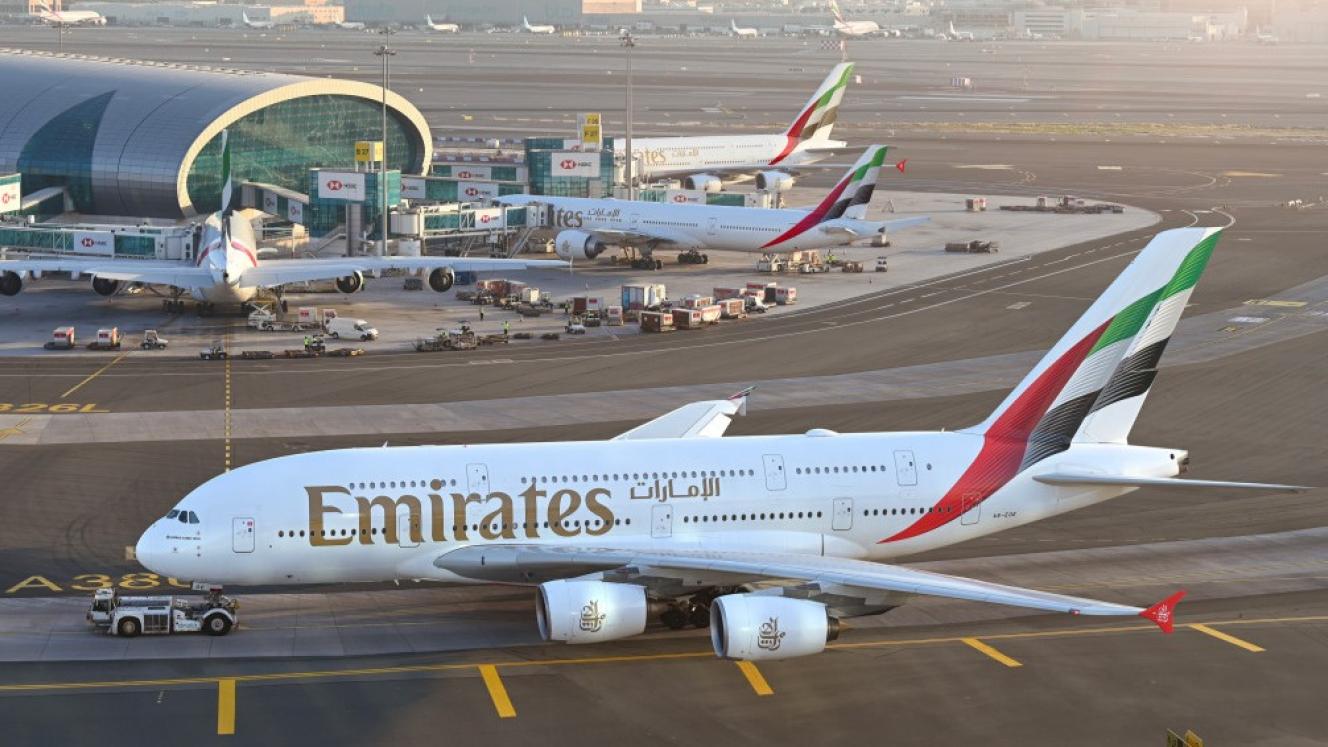
Emirates’ launch of a new travel insurance product that includes conflict-related disruption cover has prompted discussion among some travel industry stakeholders about where airline responsibilities end and optional travel insurance begins.
This week, the airline announced the launch of its Comprehensive Travel Cover, which includes trip cancellation protection, compensation for delayed or lost baggage, emergency medical cover and reimbursement for certain conflict-related medical expenses.
The product also provides additional support for passengers affected by disruptions. Emirates said that when itineraries included connections on other airlines or when Emirates services were unavailable, disrupted customers could be rebooked to their destination at no additional cost, including in cases where flights were cancelled due to conflict-related disruptions.
The launch follows Emirates' decision not to extend the temporary Disruption Policy it introduced during periods of heightened instability in the Middle East. Since June 1, passengers have instead been covered by the airline's Planned Schedule Change Policy, which applies to cancelled flights and missed connections.
While Emirates maintains that the new insurance product complements rather than replaces existing passenger support measures, noting that disruption-related hotel accommodation remains an airline service rather than an insurance benefit, some industry stakeholders have questioned whether the growing role of travel insurance could blur the lines between airline obligations and optional traveller protection.
“It will be interesting to see how this plays out because, currently, if a passenger is disrupted or delayed, it is the responsibility of the airline to make good, as a legal requirement,” said Jonathan Gerber, CEO of TAG Travel.
“However, this looks like the airlines are trying to insure against this or insure against war. I would imagine that their costs have been huge and they are looking at a way to try and prevent, circumvent or limit this type of expense. But my view is that this is an airline’s responsibility and should remain so. If the cost is too high, then rather increase fares, but you can’t insure against war and its consequences.”
The launch comes as airlines and destinations increasingly look for ways to reassure travellers amid ongoing geopolitical uncertainty.
Last week, Etihad Airways and the Department of Culture and Tourism Abu Dhabi also launched new insurance cover for international visitors flying to or through Abu Dhabi. The complimentary cover, provided automatically with eligible tickets, includes medical protection for up to 15 days in the UAE.