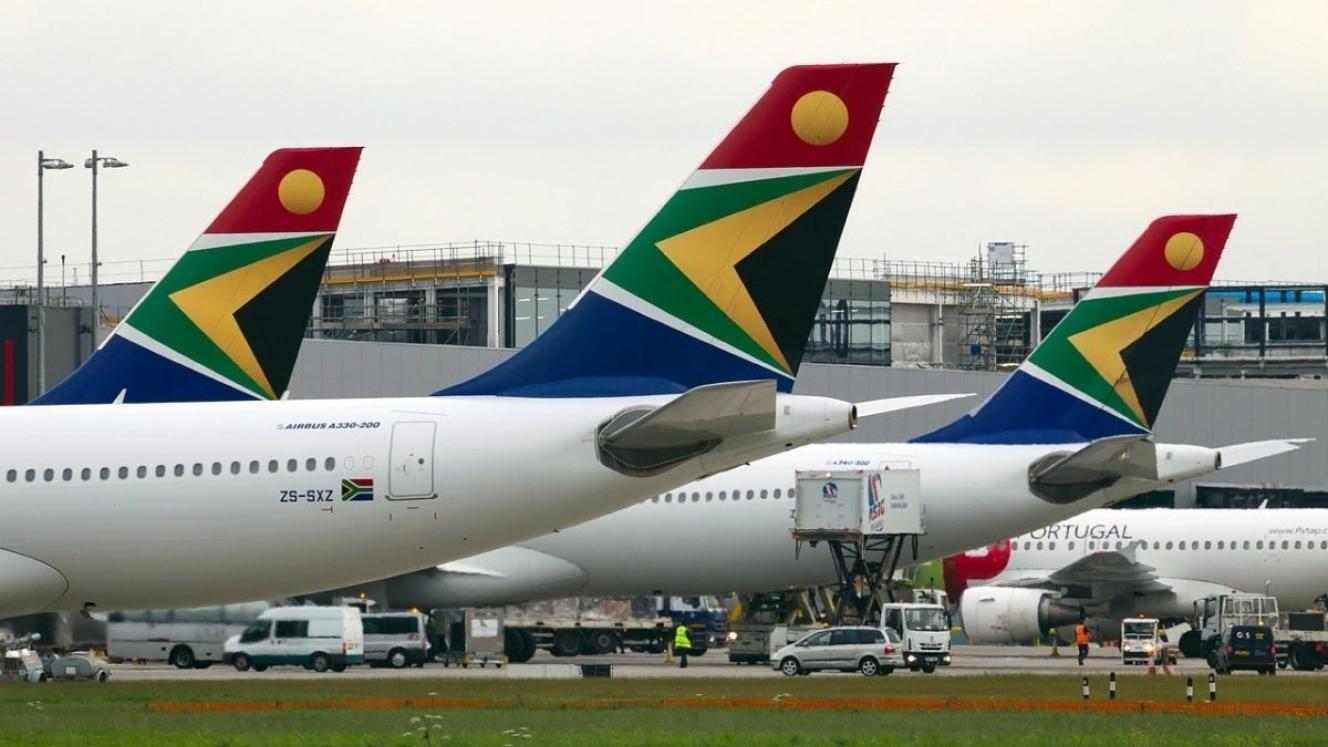
SAA’s continuing executive turnover is undermining travel agents’ confidence in the national carrier, although aviation analysts say leadership instability alone is unlikely to have a significant impact on passenger bookings.
The SAA Board recently placed Acting Group CEO Matshela Seshibe on special leave pending an internal process, continuing a long-running pattern of leadership turnover at the national carrier. Seshibe was appointed Acting Group CEO in April following the resignation of John Lamola.
A Travel News poll of 135 travel agents found that 84% of agents believe that the ongoing executive turnover at SAA could undermine passenger trust.
Nothing new
Sean Mendis, Aviation Consultant, pointed out that the national carrier had had consistent executive turnover for the last 22 years, claiming the airline has had 17 CEOs since 2004.
However, he questioned whether changes at executive level had much direct influence on passengers’ choice of airline.
“I suspect that there was not a single passenger who made a conscious choice to fly SAA simply because Lamola or Seshibe had their office on the Executive Floor of Airways Park, just as there is unlikely to be any that choose to fly because they no longer do,” said Mendis.
The bigger issue, analysts suggest, is the longer-term effect that inconsistent management and operational inefficiencies have had on SAA’s competitiveness.
Addison Schonland, Founder of AirInsight Group, told Travel News that SAA had previously held a market share of over 90% in the domestic market.
“SAA had the brand and the customer base, yet it lost its load factor rapidly. Despite having all its infrastructure in place, the process was inefficient and grew steadily worse over time,” Addison said in an analysis.
“Management did not respond to shareholders in the same manner as its competitors did. The State is a patient shareholder, focused on job creation and other political goals,” said Addison, noting a shortfall in the airline’s operational optimisation.
Over time, this lack of fleet optimisation and operational focus had reduced SAA’s share of traffic on many domestic and regional routes, he said.
SAA competitiveness
According to Mendis, SAA only remains competitive on its Accra, Ghana, and Lagos, Nigeria, routes because it is the sole operator.
“SAA faces private-sector competition on every other route it operates, which begs the question of what ‘key route connectivity’ the airline provides in the first place,” said Mendis.
Unclear financial results
Earlier this year, SAA reported a second year of consecutive profitability for the 2024/25 financial year, but the Auditor General of South Africa (AGSA) raised material uncertainties over the airline’s ability to continue as a going concern and identified material misstatements in irregular expenditure.
The AGSA said SAA’s reported profit was supported by non-recurring gains, such as the sale of its London Heathrow slot, rather than solely by its underlying operations.
Despite the unclear financial results, a statement made by the Government Communication and Information System on August 28 revealed that the South African National Cabinet had approved the airline’s search for a new strategic equity partner.
Mendis believes that, regardless of its operational and leadership challenges, the airline is unlikely to be allowed to fail while it remains state owned.