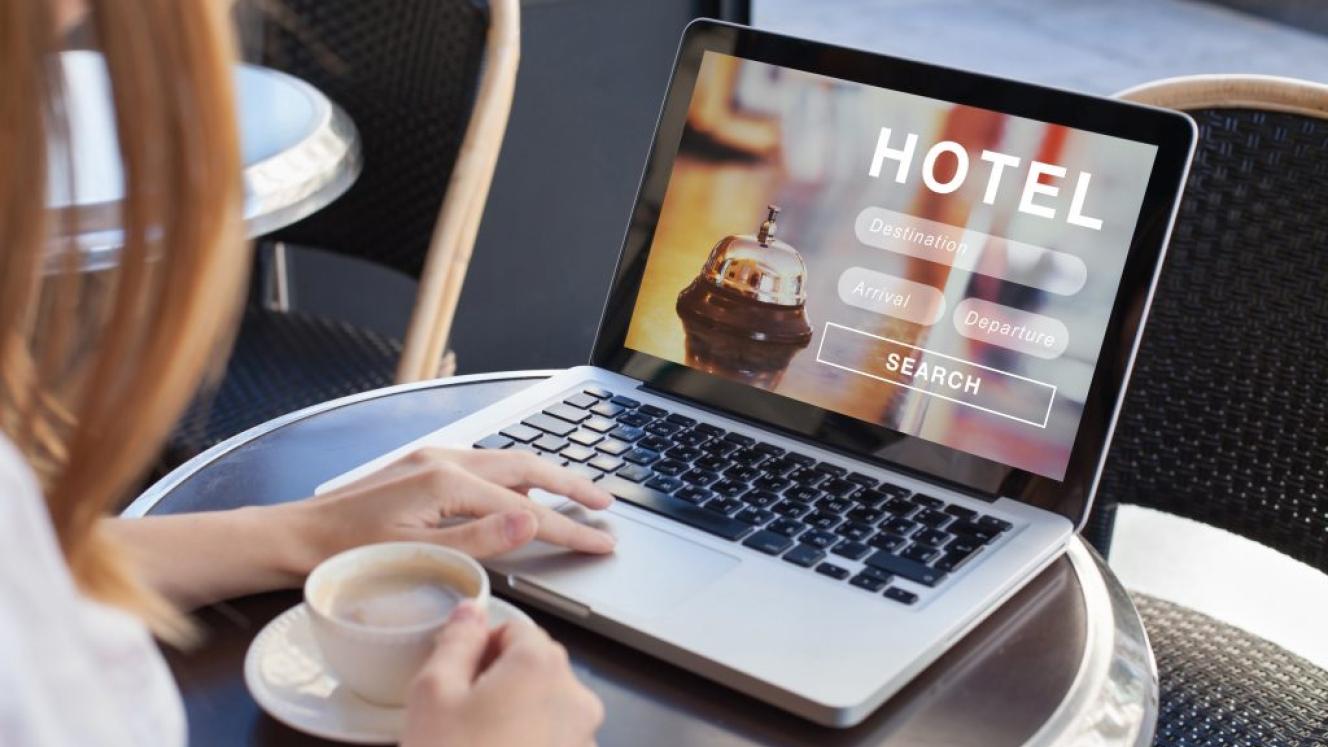
Hotel impersonation through online booking platforms is creating complications for the travel trade, with agents reporting cases of clients unknowingly booking accommodation through websites they believe belonged to hotels.
In a recent Travel News poll, 33% of responding agents said their clients had booked accommodation through websites impersonating hotel brands.
The findings come as international hospitality technology provider Operto published its State of Predatory OTAs Report 2026 in October, exposing the growing scale of global ‘grey-market’ distribution channels.
By monitoring Google Ads Transparency Centre, Operto identified more than one million predatory adverts on Google search engine results between May and June this year. These deceptive adverts impersonated about 204 000 hotel brands across 205 countries.
Operta’s report explained that while traditional OTAs and distribution partners like Booking.com introduced travellers to hotels and acted as transparent intermediaries, predatory OTAs intercepted travellers attempting to book directly with a hotel by running misleading adverts and building websites that mimic official brands.
Peak season exploitation
Shirley-Anne McQuade, Regional Manager: Western Cape at Flight Centre South Africa, says travel advisers encounter cases involving hotel impersonation, particularly ahead of peak holiday periods.
“Sadly, this does happen from time to time, particularly as peak-season travel approaches. We hear of couples, families, and groups who have been drawn in by what looked like a good deal, only to discover that their accommodation or booking doesn’t exist,” said McQuade.
“They can be left stranded and out of pocket, with many having no extra funds available to rebook their holiday.”
Destroying trust
Beyond financial loss, predatory OTA bookings degrade a traveller’s experience and diminish trust between the traveller and the hotel brand, even though properties are often unaware of the grey-market sites intercepting their guests.
In Operto’s analysis of a top predatory OTA perpetrator, it found customer complaints about hidden fees, false cancellation policies, brand spoofing and unauthorised charges.
- 34% of complaints cited hidden or undisclosed fees, where guests saw one price during booking and faced significantly higher charges at check-out
- 46% of complaints cited deceptive or false cancellation policies, as the websites advertised ‘free cancellation’ or flexible policies but confirmation emails revealed non-refundable or highly restrictive cancellation terms.
- 38% of complaints cited website impersonation or brand spoofing, meaning guests believed they were booking directly with a hotel because the website design, URL structure, and branding mimicked the hotel’s official site.
- 12% of complaints cited unauthorised or accidental charges, where guests were charged without completing a booking, after clicking cancel buttons or before confirming final details.
No guaranteed fix
When invalid bookings, unexpected extra fees or cancellation issues arise, travellers often turn to agents to fix their bookings, but McQuade warned that there was no guaranteed fix for faulty bookings with predatory OTAs.
“When someone approaches us with an invalid booking made through an impersonator site, we’re unable to access or repair that booking because it wasn’t made through us,” she explained.
“We can advise the client to contact their bank as quickly as possible to ask whether a payment recall or chargeback may be available, but the options depend on how the payment was made and whether it can still be reversed. There’s no guarantee the money will be recovered.
“We also advise our travellers to keep all messages, payment records and booking documents, and to report the incident to the relevant authorities.”
The growing prevalence of predatory OTA adverts emphasises the value of agents as travellers are increasingly overloaded with information, adverts and unofficial booking channels.
“When people are focused on the holiday they’re excited to take, it can be difficult to spot the warning signs or see the full cost and conditions behind an offer,” explained McQuade.
“A knowledgeable travel adviser can help travellers check what’s included, explain restrictions or cancellation terms, and flag costs that may otherwise come as a surprise.”