
A Travel News poll found that 80% of agents said clients preferred to route Europe trips via the Middle East rather than flying direct, a shift they said was driven by a mix of pricing, availability and service.
“South Africans are price-conscious travellers and the Middle Eastern carriers can be significantly cheaper – especially if you’re booking close to your departure date,” said Sue Garrett, GM Supply, Pricing & Marketing, Flight Centre Travel Group South Africa.
Sharon Schierhout, Head of Air Supply at Club Travel, added that Gulf carriers offered greater network flexibility and strong onboard products.
Leisure vs business
Agents say leisure travellers are more willing to accept one-stop routings, particularly when savings are meaningful.
“The Middle East is also strategically positioned between the east and west allowing for easy travel to and from these hubs. This also allows leisure clients to have the option to spend a few nights on their way there or on the return,” said Schierhout.
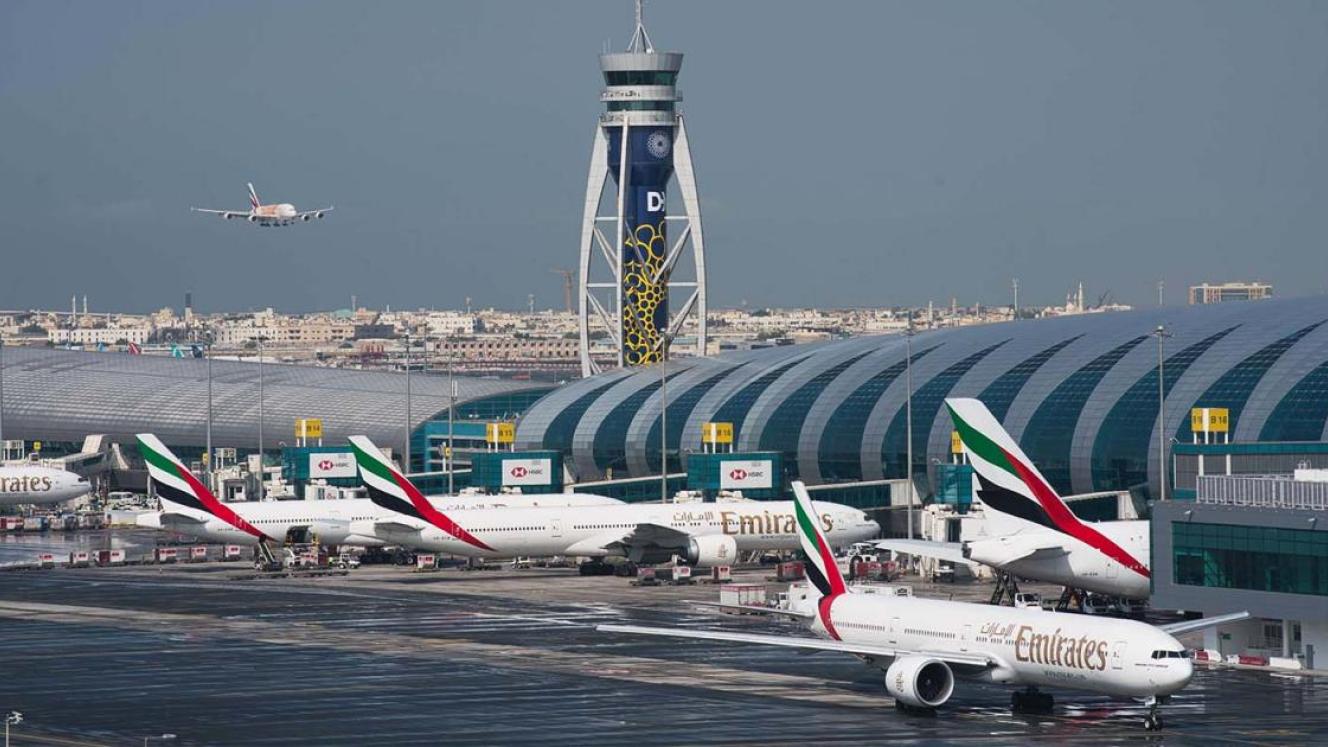
With airlines such as Emirates and Qatar offering complimentary hotel stays and city tours for long layovers, Middle East destinations become appealing as destinations themselves. “The hubs (Dubai, Doha, Abu Dhabi) have become destinations in their own right, making it relatively easy to pass five or six hours between flights,” said Garrett.
Business travellers, however, remain more inclined to book direct services.
“While direct flights are still ideal for business travellers – in terms of time, travel policy considerations and carbon budgets – Middle East carriers provide a compelling alternative in terms of cost and route networks,” added Garrett.
Convenient connections
The recovery pattern of airlines has also played a role in carrier choice. Many European airlines cut routes and frequencies during the pandemic, while Middle Eastern carriers maintained or grew their networks.
“Emirates, Qatar and Etihad have added more weekly flights to South Africa, so connections are more convenient. Instead of waiting eight hours in Dubai, you might only wait two to three hours, making the routing competitive,” said Garrett.
According to her, 80% of the world's population resides within an eight-hour flight radius of the Middle East. “The hubs lie at the crossroads of Europe, Asia and Africa, allowing for efficient one-stop, long-haul connections.”
Data tells a different story
Despite agent perceptions of a strong shift, IATA DDS statistics indicate that direct services still dominate traffic between South Africa and key European markets.
According to aviation consultant, Sean Mendis, around 80% of passengers travelling between Johannesburg and London Heathrow in 2025 flew non-stop. Of roughly 540 000 passengers, approximately 415 000 travelled direct, compared with 33 000 via the Middle East.
On the Cape Town-London route in 2025, of the 442 000 passengers departing CPT, around 341 000 were non-stop while 30 000 went via the Middle East.
On other European routes, such as Johannesburg-Amsterdam and Johannesburg-Paris, passenger numbers via the Middle East have increased slightly over the past three years.
Between Johannesburg and Amsterdam, passengers via the Middle East increased from 13 000 to 15 000 over the three years, and between Johannesburg and Paris increased from 18 000 to 20 000. However, Mendis said this growth had been proportional to overall market expansion rather than indicative of a structural shift.