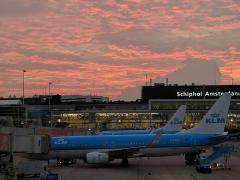
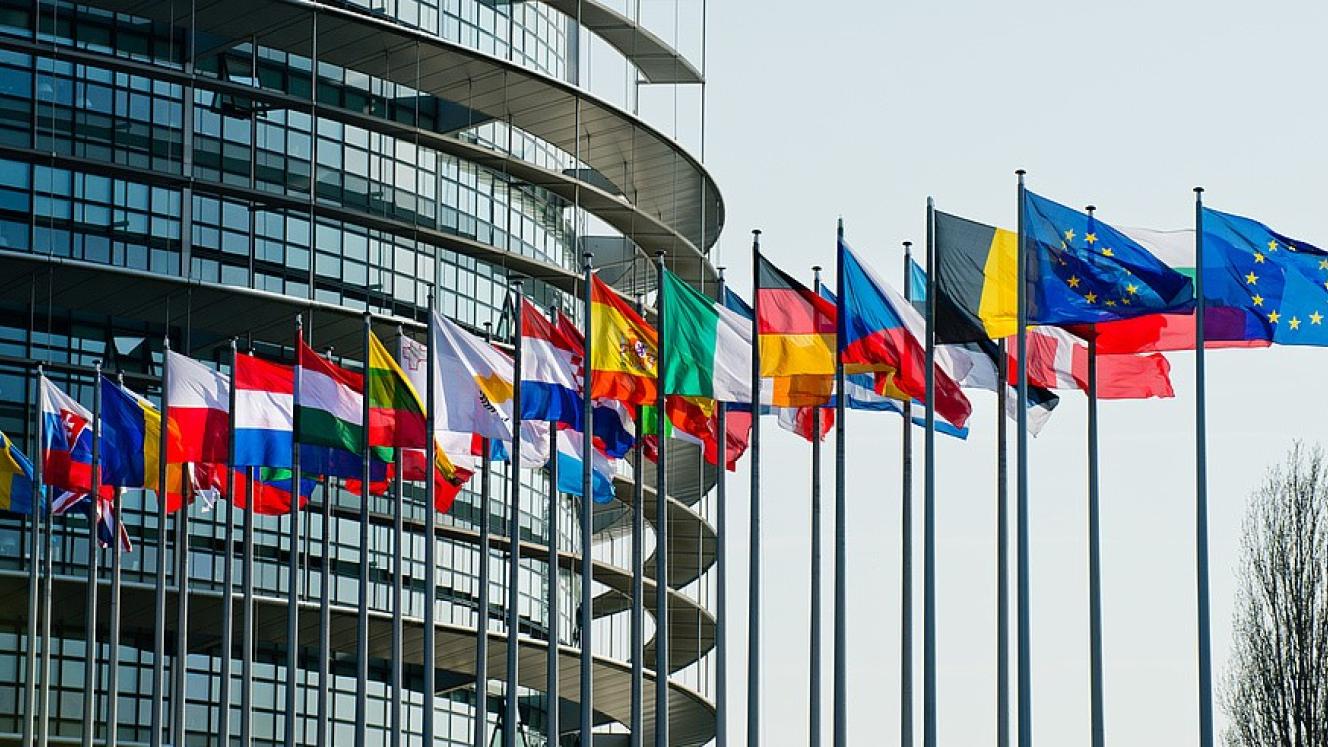
On January 9, the European Commission increased the mandatory percentage of foreign nationals arriving at EU airports who must be registered with the Entry-Exit System (EES) to 35% from 10%, despite strong objections from European airports and travel associations.
The EES will replace the current passport-stamping system by digitally recording travellers’ names, travel documents, biometric data and facial images, as well as the date and place of entry and exit. The system applies to non-EU nationals each time they cross the borders of any EU member state.
In December 2025, Airports Council International (ACI) Europe published a review of the system, criticising the January 9 second-phase deadline and highlighting mounting operational challenges since its first phase of implementation began on October 12, 2025.
ACI Europe requested the EC to address several operational issues with the deployment of EES, including:
- Regular EES outages undermining the predictability, regularity and resilience of border operations.
- Persistent EES configuration problems, including the partial deployment or unavailability of self‑service kiosks used by travellers for registration and biometric data capture.
- The continued unavailability of Automated Border Control (ABC) gates for EES processing at many airports.
- Unavailability of an effective pre‑registration app.
- Insufficient deployment of border guards at airports, which reflects acute staff shortages at the authorities in charge.
“Significant discomfort is already being inflicted upon travellers, and airport operations… Unless all the operational issues we are raising are fully resolved within the coming weeks, increasing this registration threshold to 35% as of January 9, as required by the EES implementation calendar, will inevitably result in much more severe congestion and systemic disruption for airports and airlines. This will possibly involve serious safety hazards,” warned Olivier Jankovec, Director General of ACI Europe.
“We fully understand and support the importance of the EES and remain fully committed to its implementation. But the EES cannot be about mayhem for travellers and chaos at our airports. If the current operational issues cannot be addressed and the system stabilised by early January, we will need swift action from the European Commission and Schengen Member States to allow additional flexibility in its roll‑out.”
Increased delays
The review found that the registrations process, which requires airports to capture biometric data from third country nationals entering the Schengen area, saw border control processing times increase by up to 70%. During peak travel periods, waiting times of up to three hours were recorded.
The council found that the impact was particularly severe at airports in France, Germany, Greece, Iceland, Italy, Portugal and Spain.
As a result of the delays, the government of Portugal decided to suspend EES operations at Lisbon’s Humberto Delgado Airport for three months to boost the airport’s external border electronic and physical equipment, as well as human resources.
“The decision to temporarily suspend the EES was taken under the relevant European regulations given the worsening of the bottlenecks in the ‘arrivals area’ at Lisbon airport with European passengers travelling from outside the Schengen area,” said the announcement from the Portuguese Ministry of Home Affairs.
Upon the implementation of the increased registration threshold, the Association of British Travel Agents (ABTA) published a warning to travellers using UK passports that they may face more delays.
“The EES is a change to how we travel to and from Europe, and while eventually it will make passport checks quicker, initially it may take longer. As more places introduce the system and more passengers are processed through it, there is a greater risk that people will face queues and delays. It’s important that travellers are prepared for this as they prepare to go through passport control,” said Mark Tanzer, Chief Executive of ABTA – The Travel Association.
“We are also urging border authorities to do all they can to minimise delays. They have contingency measures at their disposal – such as standing down the system or limiting checks – and we want them to be utilised to help manage the flow of people. Where problems have been experienced so far, some of these could have been avoided if the contingency measures were applied.”
While it is still early days, Carla Vickers from French and Italian Excursions, told Travel News that she had not received any notice of her South African passengers being stuck in long queues going through passport controls.