THE weak rand is more
of a deterrent than the
threat of terror for South
Africans travelling to Turkey,
tour operators say.
On January 12, a suicide
bomber killed 12 foreign
nationals and wounded 15
others when he detonated a
device in a popular tourist area
of Istanbul near the historic
Blue Mosque.
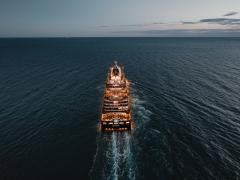
Crystal Cruises has since
announced it will reroute two
of its upcoming voyages set to
call in Turkish ports.
However, South African
tour operators feel that local
travellers are more deterred
by the weak rand than by the
threat of terrorism. “Currently
our own domestic challenges –
poor economic growth, possible
interest rate hikes, the
devaluing rand and rising costs
of living – are impacting on
travel patterns far more than
these attacks,” says Megan
D’Arcy, product manager of
kulula holidays. “Unless there
are further attacks of a similar
nature it’s doubtful that the
Istanbul attack will have a
lasting impact on confidence to
the destination,” she says.
Travellers often believe
that cities or countries that
have recently experienced
an act of terror will be on
high alert, therefore making
it a safer destination, says
spokesperson of Thompsons
Holidays, John Ridler.
However, there is a limit to
how much violence is tolerated
by travellers, especially when
tourists are being targeted
in public areas. “We have
few visitors to Turkey in
the winter months and our
current enquiries are for dates
between May to November. By
that time the situation may
have settled down and it will
hopefully be business as
usual.”
LUX* Resorts and Hotels
is building a new 60-room,
five-star hotel in the Bodrum
Peninsula, expected to open in
May 2017. The group debated
the decision to announce the
launch of the new property
in the midst of the attacks
but decided to go ahead
and broadcast the positive
message of a new acquisition,
says Alexis Bekker, head
of sales and marketing.
“The destination is popular
for tourism and while terror
attacks bring fear, tourism will
resume in time.”
South Africans may have the
expectation that the crowds
will have dwindled in Istanbul
as the result of the attacks
and that prices will be lower
to entice visitors back, John
says. But those expectations
are not necessarily warranted,
says Megan. “Should any
discounts be made available,
it’s probable that they will be
filtered through to the stronger
markets rather than across
the board.” She explains that
Russia and Germany are
the two biggest markets for
Turkey, while South Africa is a
relatively small market.
SA pax seek good deals for Turkey
Comments | 0
© Now Media. This content is protected by copyright and may not be adapted or republished. If you would like to discuss cooperation opportunities, please contact: editor@travelnews.co.za.