Airlink is pressing ahead with its push into NDC distribution and a broader African network expansion, despite ongoing aircraft supply chain disruptions and South Africa’s constrained aviation environment.
Speaking in an interview with AirInsight Group’s Founder, Addison Schonland, Airlink CEO, de Villiers Engelbrecht, discussed the airline’s long-term strategy.
NDC gaining momentum
“Airlink is NDC capable on the 24.1 version. We started this project in 2024 and we are leading the maturity of NDC,” said Engelbrecht, adding that Airlink had just completed a deep dive study into the technology and its distribution costs.
Katherine Whelan, Chief Commercial Officer at Airlink, expanded on the findings of the study, telling Travel News that Airlink had noticed increased NDC adoption among agents.
"Airlink was an early adopter of NDC in Africa. We knew NDC was inevitable and the investment was unavoidable, but we never assumed it would be an easy or smooth transition,” said Whelan.
“We decided to take the plunge early and give ourselves and our trade partners time to make the necessary adjustments instead of putting everyone under pressure. With Offers and Orders around the corner as well, it just made sense to dive in and start working through this new technology.”
According to the study, while the majority of agents still rely on traditional GDSs, a growing number have either transitioned to NDC or are operating hybrid models.
“Several agencies are working on a hybrid model, utilising NDC or GDS as the need fits. There are certainly many challenges associated with NDC usage, but new developments are advancing all the time. It’s evident that NDC is gaining momentum."
Network expansion
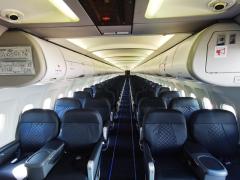
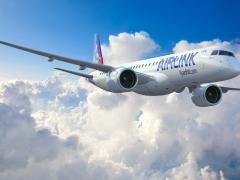
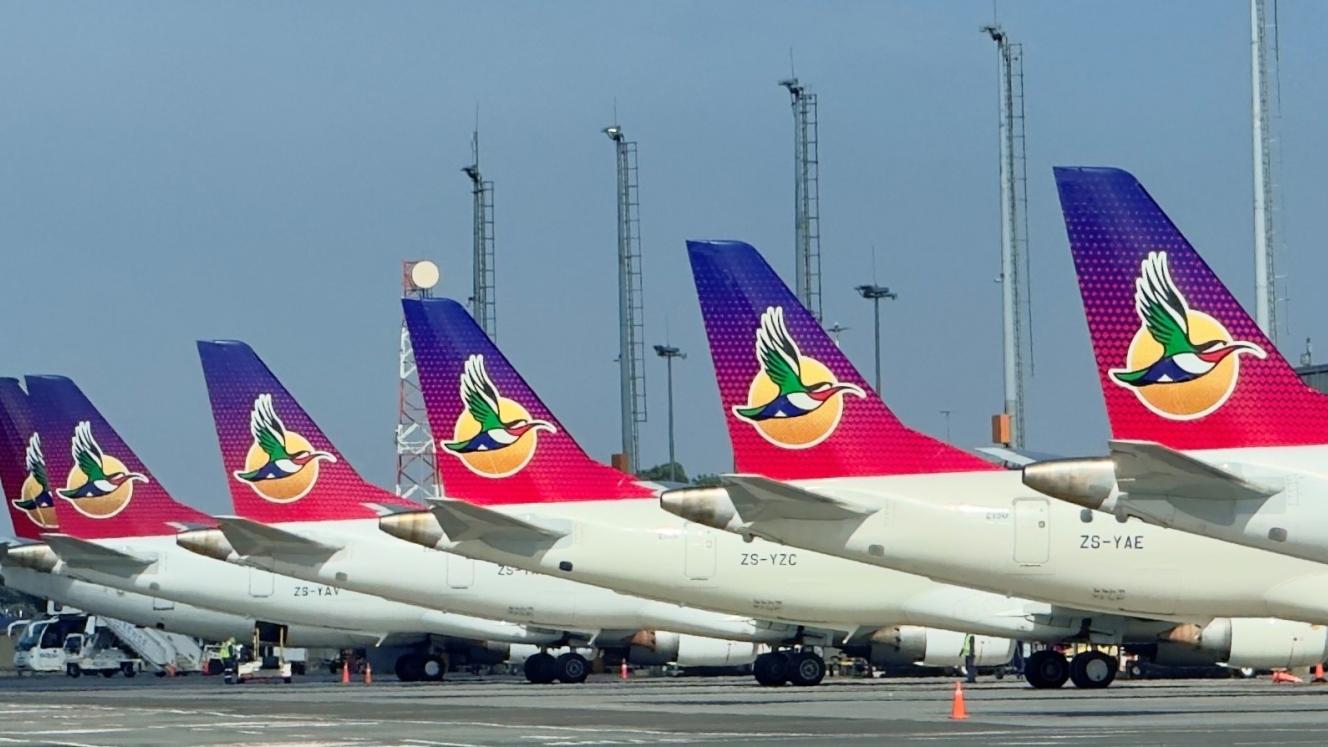
In the AirInsight interview, Engelbrecht also revealed the carrier’s continental network expansion strategy, based on new commercial opportunities presented by its new E195-E2 fleet.
"Besides its competitive operating economics, another key attraction of the Embraer E195-E2 is its range and payload capability. This presents numerous market possibilities for Airlink, many of which we are investigating,” Whelan told Travel News.
Engelbrecht told Schonland that the airline was planning for Zanzibar and mainland Tanzania and is looking at opportunities to launch new services to destinations in West, East and Central Africa.
“All that planning has already taken place and we are entering the implementation phase of the network expansion,” said Engelbrecht.
Supply chain challenges
Airlink is set to pursue these ambitions, despite ongoing challenges with aircraft and aircraft parts supply chain bottlenecks, as Engelbrecht explained the carrier’s new strategy to address challenges with the secondary supply chain.
“We were faced with supply chain constraints, no different to the rest of aviation market. We are fortunate to have had good support from the OEMs (original equipment manufacturers), but we still had our challenges, especially in the secondary supply chain market.
“We addressed this by looking for opportunities to buy aircraft and part them out. We parted out an aircraft in the 2025 calendar year and we have just finalised a transaction to purchase another two aircraft.”
Airlink bought two E190s from Dutch aircraft lessor, TrueNoord, which were delivered in December. Engelbrecht confirmed that the aircraft would be parted out to secure additional engines and components, as part of a strategic plan to safeguard the reliability of Airlink’s Embraer fleet.
Environmental challenges
Engelbrecht also confronted the challenging operating environment in South Africa, due to suspended procedures and inconsistent fuel supply.
“ATNS is a binding constraint on SA aviation market. I don’t believe our government actually realises the severity of it (suspended procedures) yet. I also believe that the current issues we have are going to be enduring. It’s created a material, financial and operational constraints, not only for Airlink, but for all operators in South Africa,” he said.
“We hear talks about it being addressed in 2026, but I’m yet to be convinced that it’s true. That being said, Airlink has got a direct relationship with ATNS and the acting CEO is very serious about addressing these concerns, but I don't believe he's got the support that he needs.”
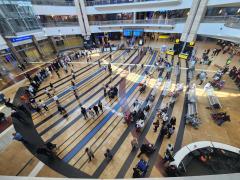
He also highlighted South African airports’ fuel constraints.
“South Africa has become a nett importer of fuel, but we are losing refining capacity year by year. The only way we can address those concerns is to work with Acsa. Fuel supply is a constraint and a concern. I think what makes it difficult is the unpredictability of it,” said Engelbrecht.