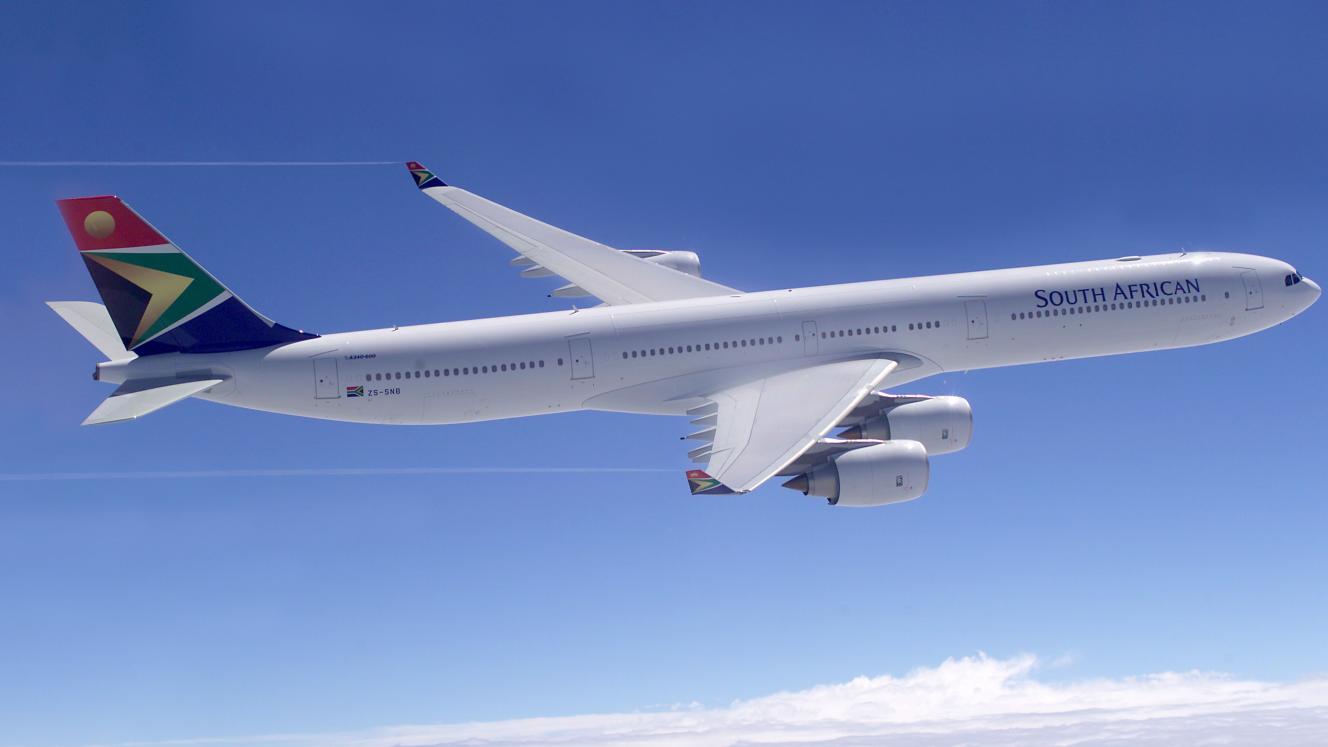
South Africa’s renewed search for a strategic equity partner (SEP) for SAA is unlikely to attract serious private investors unless government is prepared to give them meaningful control over the airline’s management, warn aviation experts.
Cabinet approved the start of a new search for an SEP on August 26, more than two years after the collapse of the proposed deal with Takatso Consortium.
Government said the partnership was intended to strengthen SAA’s balance sheet, improve access to capital and aviation expertise, and support fleet renewal and route development. It also wants to reduce the state’s financial exposure to the airline and establish SAA as a self-sustaining carrier.
But aviation specialists told Travel News that the structure of any new deal – particularly the level of influence afforded to an investor – could determine whether credible partners were willing to participate.
“The chances of finding a serious independent strategic equity partner is zero if the terms do not include surrendering management control to the investing entity,” said Aviation Consultant, Sean Mendis.
State-owned or state-managed?
Addison Schonland, Founder of AirInsights, also believes SAA's prospects depended on government stepping back from the airline's operational management.
“Only if the state gets out of the way will SAA be able to move forward.”
Schonland pointed to Ethiopian Airlines as an example of a state-owned African carrier that has nevertheless been allowed to operate on a strongly commercial basis.
Financial uncertainty
While SAA reported a second year of consecutive profit for the 2024/25 financial year, the Auditor General of South Africa (AGSA) raised material uncertainties, misstatements and irregular expenditure in relation to its financial results.
The AGSA also found that SAA's reported profit was supported by non-recurring transactions rather than profitability from its core airline operations.
Mendis said the uncertainty surrounding SAA's financial position could deter conventional private-sector investors.
“If SAA were a private-sector operator, I think the lack of audited financials would be a huge red flag to potential investors.”
However, Mendis explained that because the airline is state-owned, it would not be allowed to fail.
“The government has implicitly – albeit not explicitly – made it clear that SAA would not be allowed to fail and, as a result, there is a level of numbness and acceptance that SAA will continue to be around, notwithstanding the financial predicament they continue to be in.”
Who could invest?
Schonland said he did not expect any of SAA's Star Alliance partners to emerge as an equity investor.
Mendis suggested the pool of potential investors could ultimately be limited if government was unwilling to relinquish sufficient control, with state-linked institutional investors potentially among the remaining options.
He cited Harith and the Public Investment Corporation (PIC) as possible examples, although no indication has been given that either is considering an investment in SAA.